Top 10 NFT Hydroponic Systems
We may earn a commission for purchases made using our links. Please see our disclosure for more details.
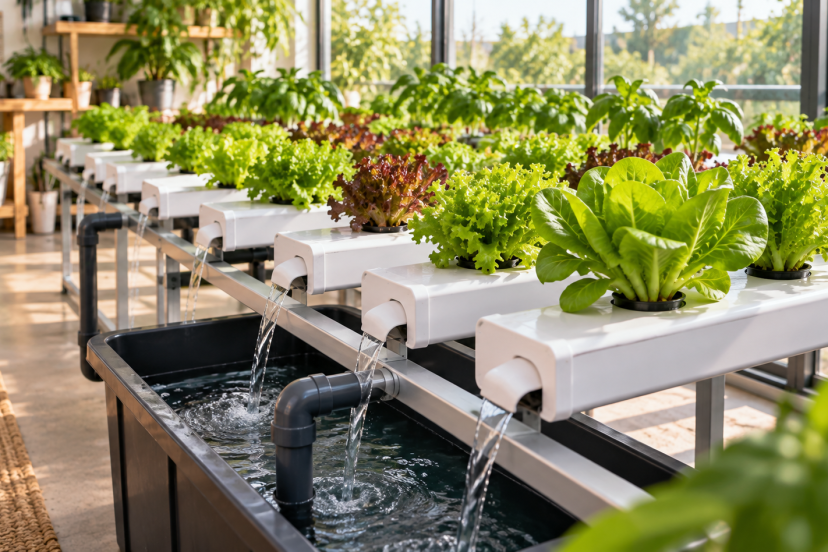
If you want to grow lettuce, basil, spinach, or other leafy greens without soil, NFT hydroponic systems are one of the most efficient setups to consider. They circulate a shallow stream of nutrient-rich water through growing channels, giving roots steady access to water, nutrients, and oxygen. The challenge is choosing the right system. Some kits are designed for beginners with 36 growing sites, while others pack 72 or even 108 plants into a compact vertical frame. Below, we’ve compared ten NFT hydroponic systems that suit different spaces, experience levels, and growing goals.
Our Top Picks
| Product | Best For | Key Feature | Rating | Read More |
| VIVOSUN 108-Site Hydroponics System | Best Overall | 108 plant sites | ★★★★☆ | Read review |
| VEVOR 108-Site Hydroponics System | Best Value | Multi-tier design | ★★★★☆ | Read review |
| BHTNYOO 36-Site Hydroponics System | Beginners | Compact 36-site setup | ★★★⯪☆ | Read review |
| INTBUYING 54-Site System | Horizontal Growing | Six growing pipes | ★★★⯪☆ | Read review |
| INTBUYING 36-Site 2-Tier System | Small Spaces | Two-level frame | ★★★★☆ | Read review |
| INTBUYING 36-Site 4-Tier System | Vertical Growing | Four-tier layout | ★★★★★ | Read review |
| LAPOND 108-Site Hydroponic Kit | Large Gardens | High-capacity design | ★★★★☆ | Read review |
| 72-Site NFT Hydroponic System | Leafy Greens | Eight grow channels | ★★★★☆ | Read review |
| 108-Site 3-Tier NFT System | Maximum Capacity | 12 channels | ★★★★☆ | Read review |
| DPROOTS 36-Site NFT Hydroponic Growing System | Indoor growing | 36 sites, full-spectrum grow lights, automatic pump & timer | ★★★★★ | Read review |
1. VIVOSUN 108-Site Hydroponics Growing System

The VIVOSUN 108-site system is a strong option for growers who want a large NFT-style garden without building channels and plumbing from scratch. Its three-level frame holds 12 growing pipes and provides enough room for 108 plants.
That capacity makes it useful for repeated lettuce and herb harvests, although beginners may find 108 growing sites more work than expected. Managing nutrients, cleaning channels, and checking water flow all become more important as the garden expands.
Key features: 108 plant sites, 12 growing pipes, three-tier layout, water pump and timer
Best for: Home growers who want high plant capacity
Pros: Excellent capacity; compact vertical footprint; pump included; suitable for leafy greens
Cons: More maintenance than smaller systems; requires careful nutrient monitoring
Why I recommend it: It offers one of the best combinations of capacity, vertical space efficiency, and ready-to-grow accessories.
2. VEVOR 108-Site Hydroponics Growing System

The VEVOR 108-site hydroponic system is built for growers who want a larger setup without taking up excessive floor space. Its three-tier design provides 108 planting positions while keeping the growing channels arranged in a relatively compact frame.
The system uses UPVC growing pipes and includes a 4W water pump with a 24-hour timer for automated nutrient circulation. It works especially well for lettuce, herbs, and other compact crops, although managing 108 plants requires more regular cleaning and nutrient monitoring.
Key features: 108 plant sites, three-tier design, UPVC growing pipes, 4W water pump, 24-hour timer
Best for: Home or greenhouse growers wanting a high-capacity hydroponic system
Pros: High growing capacity; space-saving tiered layout; pump and timer included; pre-glued pipe connections
Cons: Large number of plants requires more maintenance; closely spaced sites favor smaller crops
Why I recommend it: It packs 108 growing positions into a practical three-tier layout while including the main circulation equipment needed to get started.
3. BHTNYOO 36-Site Hydroponics Growing System

The BHTNYOO 36-site system makes more sense for beginners who want to learn NFT growing without managing dozens of extra plants. The smaller layout is easier to monitor while you get comfortable with nutrient strength, pH, water flow, and reservoir maintenance.
The kit generally includes the main growing structure, planting baskets, sponges, a pump, timer, and tubing. You’ll still need to plan where the reservoir will sit and make sure the return water drains properly.
Key features: 36 growing sites, pump, timer, plant baskets, growing sponges
Best for: Beginners learning NFT hydroponics
Pros: Manageable plant capacity; simple layout; useful starter accessories; easier to clean
Cons: Lower output than larger systems; reservoir may need to be purchased separately
Why I recommend it: It gives new growers enough space to experiment without turning nutrient management into a full-time job.
4. INTBUYING 54-Site Hydroponics Growing System

The INTBUYING 54-site system uses a more horizontal configuration than many vertical NFT kits. Six growing pipes provide 54 planting positions, making the plants easier to reach during pruning, harvesting, and routine inspections.
The tradeoff is floor or bench space. A horizontal garden takes up more room than a stacked frame, but some growers prefer the easier access and more even lighting across the channels.
Key features: 54 plant sites, six growing pipes, water pump, plant baskets and sponges
Best for: Growers who prefer an accessible horizontal layout
Pros: Easy plant access; solid mid-range capacity; pump included; simple channel arrangement
Cons: Requires more horizontal space; less efficient use of vertical room
Why I recommend it: It is a good fit when easy plant access matters more than maximizing the number of plants per square foot.
5. INTBUYING 36-Site Two-Tier System

This two-tier INTBUYING system provides 36 planting positions across a compact frame. Splitting the channels across two levels keeps the footprint reasonable without creating a tall tower that can be harder to light evenly indoors.
For smaller gardens, this configuration is easier to work around than a large rack. It is particularly suitable for lettuce, basil, cilantro, and other crops that stay relatively compact.
Key features: 36 planting positions, two-tier layout, four growing pipes, pump and accessories
Best for: Small indoor gardens and patios
Pros: Compact design; manageable capacity; easy plant access; suitable for beginners
Cons: Limited capacity for larger harvests; not ideal for large-rooted plants
Why I recommend it: It offers a sensible balance between vertical space savings and easy access to each growing channel.
6. INTBUYING 36-Site Four-Tier System

The four-tier INTBUYING system is aimed at growers who have more vertical room than floor space. Its narrow footprint can fit nicely into a greenhouse corner, indoor grow room, or covered patio.
The taller configuration does require more attention to lighting. Indoors, you may need to position grow lights carefully so plants on the lower levels receive enough usable light.
Key features: 36 plant sites, four-tier vertical frame, four grow pipes, water pump
Best for: Gardens with limited floor space
Pros: Very compact footprint; vertical design; good for leafy greens; straightforward capacity
Cons: Lighting can be uneven between tiers; tall frame needs stable placement
Why I recommend it: It is one of the better configurations for growers who want NFT production without giving up much floor space.
If vertical growing appeals to you, these vertical hydroponic gardening ideas offer more ways to produce food in smaller spaces.
7. LAPOND 108-Site Hydroponic Grow Kit

The LAPOND 108-site kit is built for growers who want maximum plant numbers from a relatively compact footprint. It provides enough positions to stagger lettuce, basil, bok choy, and similar crops for more regular harvesting.
With that capacity comes more work. One clogged channel or circulation problem can affect several plants, so checking the pump and water flow should become part of your normal routine.
Key features: 108 plant sites, multi-channel layout, recirculating design, plant baskets and tubing
Best for: Larger home gardens and serious hobby growers
Pros: High capacity; efficient use of space; suitable for succession planting; good for leafy greens
Cons: More demanding maintenance; cleaning takes longer; excessive for casual growers
Why I recommend it: It provides substantial growing capacity without requiring a DIY commercial-style NFT setup.
8. 72-Site NFT Hydroponic Growing System

A 72-site NFT system is a practical choice when you want more production than a 36-site starter garden but do not need 100-plus plants. Many versions use eight horizontal channels arranged across several levels.
This configuration works especially well for lettuce and herbs because those crops can be planted relatively close together. Just remember that mature plants may still need thinning or harvesting before their leaves begin competing for light.
Key features: 72 growing sites, eight channels, recirculating pump, multi-level design
Best for: Regular lettuce and herb production
Pros: Useful mid-range capacity; efficient layout; good for leafy crops; manageable footprint
Cons: Generic models can vary in quality; replacement parts may be harder to find
Why I recommend it: Seventy-two planting positions give productive home growers plenty of capacity without the maintenance burden of a 108-site garden.
9. 108-Site Three-Tier NFT System

This common 108-site configuration uses 12 growing channels arranged across three levels. It is designed to maximize the number of plants you can grow within a relatively small area.
That makes it attractive for gardeners who want repeated harvests, but it also means nutrient management becomes more important. A change in pH, water temperature, or nutrient concentration affects a large number of plants at once.
Key features: 108 plant sites, 12 NFT channels, three-tier frame, pump and timer
Best for: High-capacity indoor or greenhouse gardens
Pros: Excellent plant density; efficient footprint; supports staggered harvesting; suitable for greens and herbs
Cons: More plants depend on one circulation system; requires regular cleaning and monitoring
Why I recommend it: It is a straightforward way to maximize growing capacity without constructing a custom NFT rack.
10. DPROOTS 36-Site NFT Hydroponic Growing System

The DPROOTS 36-site system is a much better fit for indoor growers who want an NFT setup with lighting already included. It provides 36 planting positions along with two full-spectrum grow lights, so you don’t have to build a separate lighting setup around the channels.
The system also includes an automatic water pump and timer to keep nutrient solution circulating through the food-grade PVC-U pipes. Its compact design works particularly well for lettuce, basil, spinach, kale, and other smaller leafy crops, though it isn’t designed for larger plants such as tomatoes or peppers.
Key features: 36 plant sites, two full-spectrum grow lights, food-grade PVC-U pipes, automatic water pump, timer
Best for: Indoor growers wanting an all-in-one NFT system with integrated lighting
Pros: Grow lights included; compact footprint; automated water circulation; suitable for leafy greens and herbs
Cons: Limited to smaller crops; 36 sites may be too small for growers wanting higher production
Why I recommend it: It combines the NFT channels, circulation system, and grow lights in one practical package, making it especially convenient for indoor growing.
How to Choose the Best NFT Hydroponic System
Start with the number of plants you realistically want to maintain.
A 36-site system is usually enough for a beginner. Larger 72- and 108-site systems make more sense if you already understand nutrient mixing, pH adjustment, reservoir maintenance, and pump troubleshooting.
Also look at these factors before buying NFT hydroponic systems:
- Plant spacing: Smaller spacing works well for lettuce and herbs but can become crowded as plants mature.
- Channel size: Larger channels usually give roots more room and are easier to clean.
- Pump quality: NFT relies heavily on dependable water circulation.
- Timer: Some kits use timed irrigation rather than continuous flow.
- Reservoir: Check whether the kit includes one.
- Frame size: Measure the actual floor space and height available before buying.
- Lighting: Indoor NFT systems generally require separate grow lights.
- Cleaning access: Systems that come apart easily are far less frustrating to maintain.
- Replacement parts: Pumps, tubing, connectors, baskets, and sponges will eventually need replacing.
For most home growers, buying slightly smaller than you think you need is often smarter than starting with the largest system available.
If you are still comparing growing methods, this guide to choosing the best hydroponic system can help you decide whether NFT, DWC, drip irrigation, or another setup fits your garden better.
Final Thoughts
The best NFT hydroponic systems match your available space, experience level, and the amount of produce you realistically want to grow. A compact 36-site kit is usually the smartest starting point for beginners, while 72-site systems offer a useful step up for regular lettuce and herb production. If maximizing plant capacity is the goal, VIVOSUN and other 108-site configurations provide considerably more growing room. More experienced growers who value sturdy construction and easier maintenance may prefer a purpose-built setup such as the CropKing NFT 4-6. Whichever system you choose, reliable water circulation, clean channels, stable nutrients, and sensible
FAQs
What plants grow best in NFT hydroponic systems?
Lettuce, basil, spinach, kale, bok choy, cilantro, mint, and other lightweight leafy plants perform especially well in NFT systems. Large fruiting crops can be harder to support in narrow channels.
Are NFT hydroponic systems good for beginners?
Yes, but beginners should generally start with a smaller 36-site system. Larger systems require more nutrient management and make pump or plumbing problems affect more plants at once.
Does an NFT hydroponic pump run all the time?
Traditional NFT systems often use continuous water flow. However, some consumer systems include timers and are designed for intermittent circulation. Follow the manufacturer’s recommended operating schedule.
How much water does an NFT hydroponic system use?
NFT systems are relatively water-efficient because the nutrient solution is collected and reused. Water still needs to be topped up as plants absorb it and some is lost through evaporation.
Is NFT better than deep water culture?
It depends on what you want to grow. NFT hydroponic systems are excellent for fitting many leafy greens into connected channels, while DWC gives each plant more nutrient solution around its roots and can be more forgiving if circulation briefly stops.