Top 10 Growing Media
We may earn a commission for purchases made using our links. Please see our disclosure for more details.
Picking a growing medium sounds simple until you start comparing clay pebbles, coco coir, rockwool, perlite, and propagation plugs. Each handles water, oxygen, and root support differently, so the best choice depends heavily on how you grow. For this roundup, we focused on growing media that serve genuinely different purposes rather than filling the list with ten versions of the same product. Whether you’re setting up DWC, starting seedlings, running drip irrigation, or improving a container mix, there’s an option here that makes sense.
Our Top Picks
| Product | Best For | Key Feature | Rating | Read More |
| Legigo Organic LECA Clay Pebbles | Overall Use | Reusable expanded clay | ★★★★⯪ | Read review |
| Hydro Crunch Expanded Clay Pebbles | DWC & Net Pots | Excellent root aeration | ★★★★⯪ | Read review |
| General Hydroponics Rapid Rooter | Seed Starting | Ready-to-use plugs | ★★★★⯪ | Read review |
| Grodan Rockwool Starter Plugs | Hydroponic Seedlings | Consistent moisture | ★★★★⯪ | Read review |
| Burpee Coconut Coir | Small Gardens | Compressed coco brick | ★★★★⯪ | Read review |
| Viagrow Coco Coir Brick | Bulk Coco | High expansion volume | ★★★★⯪ | Read review |
| Mother Earth Coco + Perlite | Drip Systems | Coco-perlite blend | ★★★★⯪ | Read review |
| Root Riot Plant Starter Cubes | Cuttings | Pre-moistened cubes | ★★★★⯪ | Read review |
| Harris Horticultural Perlite | Aeration | Lightweight amendment | ★★★★⯪ | Read review |
| Viagrow Coarse Vermiculite | Water Retention | Moisture-holding medium | ★★★★⯪ | Read review |
1. Legigo Organic LECA Clay Pebbles

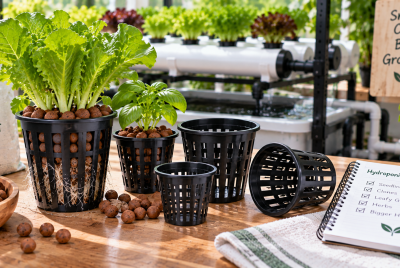
Legigo Organic LECA Clay Pebbles are a versatile choice for hydroponics, aquaponics, orchids, and semi-hydro growing. The expanded clay balls provide physical support without packing tightly around the roots.
They drain quickly while leaving plenty of room for oxygen, which is especially useful in net pots and DWC systems. Give them a thorough rinse before the first use to remove loose clay dust.
Key features: Natural expanded clay, 4–16 mm pebble sizes, reusable, lightweight structure
Best for: DWC, net pots, Dutch buckets, aquaponics, and semi-hydro plants
Pros: Excellent airflow; reusable; doesn’t compact easily; works with many hydroponic systems
Cons: Needs rinsing before use; provides no nutrients; some pieces may initially float
Why I recommend it: It is one of the most flexible growing media here and gives roots plenty of oxygen without making day-to-day maintenance complicated.
2. Hydro Crunch Expanded Clay Growing Media

Hydro Crunch Expanded Clay Growing Media is another solid option for growers who prefer a loose, reusable substrate. The clay pebbles support plants while allowing nutrient solution to move freely through the root zone.
This makes them particularly practical for DWC, ebb-and-flow, and net-pot setups. They are fairly low-maintenance once cleaned, although the initial rinse is worth doing properly.
Key features: Expanded clay aggregate, porous structure, reusable pebbles, strong drainage
Best for: DWC systems, flood-and-drain tables, net pots, orchids
Pros: Good root aeration; reusable; drains quickly; resists compaction
Cons: Clay dust requires rinsing; lightweight pebbles can move around; low moisture retention
Why I recommend it: Hydro Crunch works well when you need dependable root support without sacrificing airflow or drainage.
3. General Hydroponics Rapid Rooter Replacement Plugs

General Hydroponics Rapid Rooter plugs take much of the mess out of starting seeds and cuttings. Instead of filling individual cells with loose growing media, you simply place the seed or cutting into a prepared plug.
The sponge-like structure keeps moisture around developing roots while still allowing oxygen through. Once roots appear, the entire plug can move into a larger hydroponic system with minimal disturbance.
Key features: 50 starter plugs, ready-to-use design, porous structure, transplant-friendly shape
Best for: Seeds, cuttings, herbs, leafy greens, and hydroponic propagation
Pros: Easy to handle; clean propagation; good moisture-to-air balance; simple transplanting
Cons: Usually single-use; costs more per plant than bulk media; can dry out if neglected
Why I recommend it: Rapid Rooter is an easy choice for growers who want consistent propagation without dealing with loose substrates.
4. Grodan Rockwool A-OK Starter Plugs

Grodan Rockwool A-OK Starter Plugs are made for propagation and fit neatly into hydroponic workflows. Their uniform structure makes moisture management more predictable when you’re starting a tray of seedlings at the same time.
Once roots grow through the plug, seedlings can be transferred into larger blocks, baskets, or another hydroponic setup. Rockwool does require a little more attention to moisture and handling than natural starter plugs.
Key features: Uniform stone wool plugs, strong water retention, porous structure, transplant-friendly size
Best for: Hydroponic seedlings, cloning, herbs, lettuce, and propagation trays
Pros: Consistent size; holds moisture well; good root visibility; easy to transplant
Cons: Not biodegradable; can stay overly wet; dry fibers should be handled carefully
Why I recommend it: Grodan provides the consistency growers need when germinating several plants and trying to keep their early growth fairly uniform.
5. Burpee Organic Coconut Coir Concentrated Seed Starting Mix

Burpee Coconut Coir comes compressed, so it takes up very little storage space before you need it. Add water and the material expands into a soft growing medium with strong moisture retention.
Coco coir is useful for seedlings and container plants and can also become part of a custom hydroponic mix. Unlike clay pebbles, however, it holds considerable moisture, so irrigation needs to match the medium.
Key features: Compressed coconut coir, lightweight texture, high moisture retention, peat alternative
Best for: Seed starting, containers, custom soilless mixes, small gardens
Pros: Compact storage; renewable material; holds water well; easy to work with
Cons: Requires hydration before use; pure coco may retain too much moisture for some setups
Why I recommend it: It gives beginners an approachable way to try coco coir without buying a large bale of growing media.
6. Viagrow Coco Coir Brick

Viagrow Coco Coir Brick is better suited to growers who need more substrate. The large compressed brick expands substantially after hydration, making it practical for filling multiple containers or preparing larger soilless gardens.
Coco provides a useful moisture buffer between irrigation cycles while maintaining a lighter structure than ordinary garden soil. Adding perlite can improve drainage when you want more air around the roots.
Key features: 11-pound compressed coco brick, expandable substrate, high water retention, soilless material
Best for: Larger container gardens, drip systems, coco-based hydroponics
Pros: Good value for larger gardens; compact before hydration; holds moisture well; versatile
Cons: Takes time to hydrate; bulky once expanded; may need perlite for additional aeration
Why I recommend it: The larger brick makes more financial sense when you already know you like growing in coco and need plenty of it.
7. Mother Earth Coco + Perlite Mix

Mother Earth Coco + Perlite combines two materials that complement each other nicely. Coco helps retain water around the roots, while perlite creates additional air space and lets excess solution drain more easily.
The roughly 70/30 blend also saves you from measuring and mixing separate bags. It’s particularly convenient for drip-fed plants where you want some moisture retention without leaving the root zone overly dense.
Key features: Approximately 70% coco and 30% perlite, ready-mixed substrate, improved drainage, good moisture retention
Best for: Drip irrigation, indoor gardens, container plants, coco-based growing
Pros: Ready to use; balanced aeration and moisture; convenient; suitable for frequent feeding
Cons: More expensive than DIY mixing; bulky compared with compressed coco bricks
Why I recommend it: This blend removes a step from setup and gives growers a practical balance between water retention and root-zone aeration.
8. Root Riot Plant Starter Cubes

Root Riot Plant Starter Cubes are aimed squarely at propagation. The cubes arrive moist and ready for seeds or cuttings, which is handy when you want to start plants without preparing rockwool or mixing loose media.
Young roots can grow through the porous cube before the whole thing is transplanted. They’re especially convenient for cloning small batches where simplicity matters more than getting the absolute lowest cost per plant.
Key features: Pre-moistened starter cubes, porous structure, transplantable design, ready to use
Best for: Cuttings, cloning, seedlings, and small propagation projects
Pros: Minimal preparation; clean to handle; easy transplanting; good moisture balance
Cons: Higher cost per plant; generally single-use; cubes can dry out if left exposed
Why I recommend it: Root Riot is useful when you want propagation to be quick and tidy without spending time preparing a separate medium.
9. Harris Premium Horticultural Perlite

Harris Premium Horticultural Perlite isn’t something I’d choose to hold a large hydroponic plant on its own. Its real strength is improving other growing media.
Mix it with coco coir and the tiny spaces between particles increase, giving roots more oxygen and helping excess water drain. It’s lightweight, neutral, and easy to adjust depending on how airy you want the finished blend.
Key features: Horticultural-grade perlite, lightweight structure, pH-neutral material, additive-free
Best for: Coco blends, propagation mixes, containers, and improving drainage
Pros: Excellent aeration; lightweight; affordable; easy to blend with other media
Cons: Dusty when dry; very lightweight particles can float; limited water retention
Why I recommend it: Perlite is one of the simplest ways to fix a coco or container mix that stays wetter than your plants need.
10. Viagrow Coarse Horticultural Vermiculite

Viagrow Coarse Horticultural Vermiculite does almost the opposite job of perlite. Its expanded mineral structure holds water, making it helpful when a growing mix dries faster than you’d like.
I prefer vermiculite as part of a custom blend rather than as the only medium around hydroponic roots. Mixed thoughtfully with coco or perlite, it lets you adjust moisture retention for seedlings and moisture-loving plants.
Key features: Coarse horticultural vermiculite, lightweight mineral structure, strong water retention, mix-friendly texture
Best for: Seed starting, propagation, custom growing mixes, moisture-loving plants
Pros: Holds moisture well; lightweight; easy to mix; useful for adjusting dry substrates
Cons: Can hold too much water when overused; not ideal as a standalone medium for many hydroponic systems
Why I recommend it: It gives growers an inexpensive way to increase water retention without completely changing the growing medium they’re already using.
How to Choose Growing Media for Hydroponics
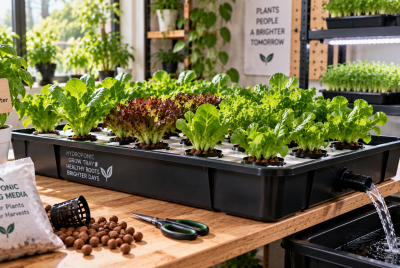
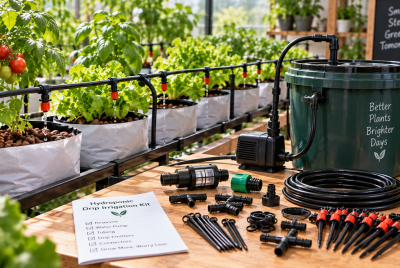
The system should come first. DWC and net-pot setups benefit from media that leave plenty of open air space, which is why expanded clay pebbles are so popular. Drip-fed containers usually work better with something that holds moisture between irrigation cycles, such as coco or a coco-perlite blend.
Propagation is different again. Rockwool, Rapid Rooter, and Root Riot cubes make it easier to manage tiny seedlings before moving them into their permanent system.
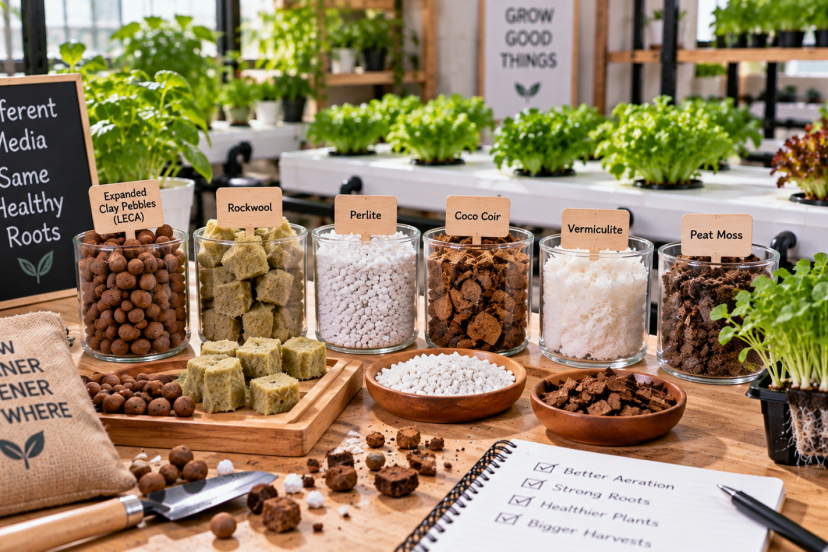
For a closer comparison of LECA, coco, rockwool, and other options, this guide to hydroponic grow media explains how each behaves around the root zone.
Consider Water Retention
Don’t automatically assume more water retention is better. Roots need oxygen too.
Coco and vermiculite hold moisture longer, whereas LECA and perlite favor drainage and airflow. Your irrigation schedule should work with the medium rather than fight against it.
Think About Reusability
Expanded clay pebbles stand out if reusability matters. They can generally be cleaned and prepared for another crop.
Starter plugs and rockwool are less convenient to reuse because roots grow directly through the material.
Match the Medium to the Plant Stage
A medium that’s excellent for germination isn’t necessarily the best choice for a mature plant.
Starter plugs make handling tiny seedlings easy. Once those plants develop stronger roots, they can move into net pots filled with LECA or into coco-based containers.
Final Thoughts
There isn’t one growing media product that wins for every hydroponic garden. Legigo and Hydro Crunch clay pebbles are strong choices for DWC and net pots, while Rapid Rooter and Grodan make more sense for propagation. For drip-fed containers, Mother Earth Coco + Perlite offers an easy balance of water retention and aeration. Start with your hydroponic system, watering frequency, and plant stage, then choose the medium that gives the roots the right balance of moisture, oxygen, and physical support.
FAQs
What is the best growing media for hydroponics?
It depends on the system. Expanded clay pebbles work particularly well in DWC and net pots, coco-perlite suits many drip-fed systems, and rockwool or propagation plugs are useful for starting seedlings.
Is coco coir better than clay pebbles?
Neither is universally better. Coco holds substantially more moisture, while clay pebbles provide faster drainage and more open air space. Your irrigation method and hydroponic system should determine which one you choose.
Can I reuse hydroponic growing media?
Some growing media can be reused. Expanded clay pebbles are among the easiest because they can be cleaned between crops. Rockwool and propagation plugs are generally less practical to reuse once roots have grown through them.
Can I mix different growing media together?
Yes. Coco and perlite are commonly combined because coco retains water while perlite improves aeration and drainage. Vermiculite can also be added when a mix needs greater moisture retention.
Does hydroponic growing media provide nutrients?
Most hydroponic growing media provide little or no plant nutrition. Materials such as LECA, rockwool, and perlite primarily support the roots and manage water and air, so plants still depend on a properly mixed hydroponic nutrient solution.