5 Essential Hydroponic Harvesting Tips You Need To Know
We may earn a commission for purchases made using our links. Please see our disclosure for more details.
Hydroponic harvesting is the moment your careful growing finally pays off. But picking crops at the wrong time can affect their flavor, texture, and freshness. These simple hydroponic harvesting tips will help you know when to cut, how to handle your plants, and how to keep your produce crisp after harvest.
What Is Hydroponic Harvesting?
Hydroponic harvesting is the process of collecting crops grown without soil. Instead of pulling nutrients from dirt, your plants feed from a water-based nutrient solution.
That changes a few things.
Hydroponic crops often grow faster than soil-grown plants. They also stay cleaner because they do not sit in garden soil. However, they still need careful handling. Leaves bruise. Roots stress. Fruits crack. Herbs lose aroma. So, while hydroponics removes some mess, it does not remove the need for good harvesting habits.
If you use systems like nutrient film technique, deep water culture, or an ebb and flow hydroponic system, your harvest method should match your crop type and growth pattern.
Why Timing Matters More Than You Think
Timing can make or break your harvest.
Pick leafy greens too early, and you lose yield. Pick them too late, and they may turn bitter or tough. Harvest herbs after flowering, and the flavor can change. Leave tomatoes too long, and they may split or soften.
Hydroponic systems give plants steady access to water and nutrients. Because of that, crops can move quickly from “almost ready” to “past their best.” That is why daily observation matters.
Look for changes in leaf size, color, stem strength, flower formation, and fruit firmness. Your plants will usually tell you when they are ready. You just need to pay attention.
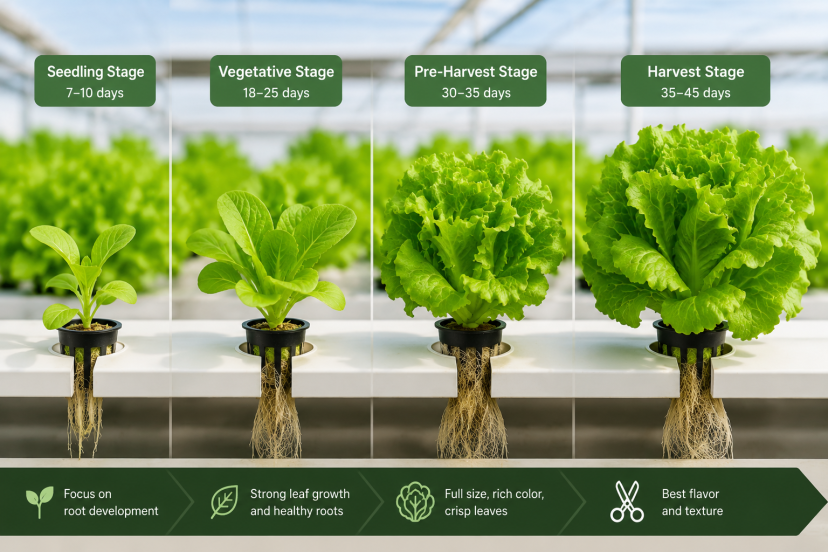
Tip 1: Harvest at the Right Growth Stage
The best harvest stage depends on the crop.
For lettuce, you can harvest baby leaves when they reach 3 to 4 inches. For full heads, wait until the plant looks firm, full, and mature. Do not wait until it stretches upward or starts to bolt.
For basil, mint, and other herbs, harvest before flowering. Cut above a leaf node so the plant can branch out again. This gives you a fuller plant and more harvests later.
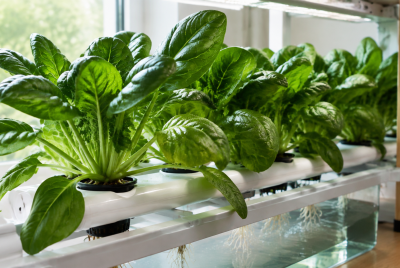
For kale, Swiss chard, and spinach, remove the outer leaves first. Let the center keep growing. This “cut-and-come-again” method works beautifully in small hydroponic gardens.
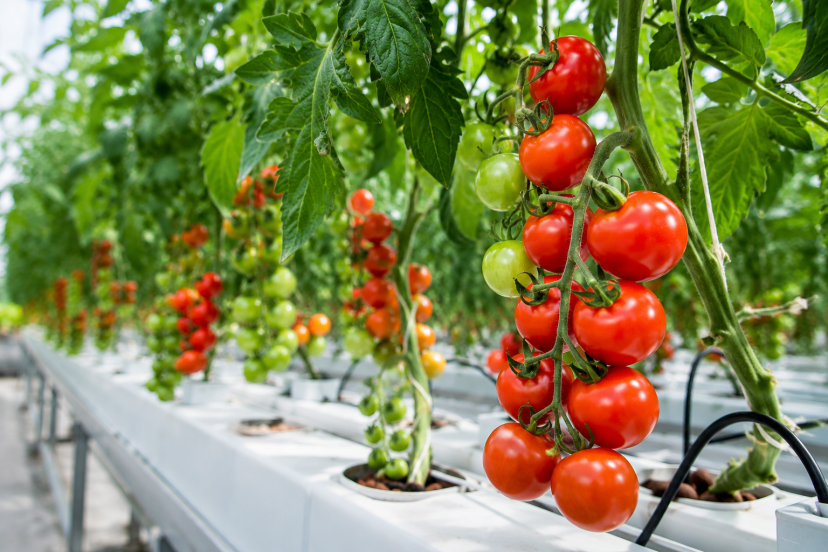
For tomatoes and peppers, harvest when the fruit reaches full color and feels firm but not hard. Strawberries should look fully colored and smell sweet.
A simple rule helps: harvest for flavor, not just size. Bigger does not always mean better. Sometimes it means bitter, woody, or tired.
Tip 2: Check Plant Health Before Cutting
Before you harvest, take one minute to inspect the plant.
Look for yellowing leaves, slimy roots, pest signs, mold, or unusual spots. Hydroponic systems can grow clean produce, but they are not magic bubbles. Water, warmth, and dense foliage can create problems if airflow and sanitation slip.
Healthy roots often appear pale, firm, and fresh-looking. If they smell bad or look brown and mushy, your plant may have root issues. In that case, avoid mixing diseased plant material with healthy crops.
Also, check your nutrient solution. Poor pH or nutrient imbalance can affect taste, texture, and plant strength. Many leafy greens prefer slightly acidic conditions, though exact ranges vary by crop.
Research on hydroponic leafy greens shows that nutrient solution management can influence growth, mineral content, and postharvest quality. A 2026 HortScience study examined nutrient solution volume and its effect on leafy green growth and postharvest traits.
Tip 3: Use Clean Tools Every Time
This one sounds boring. It is also one of the most important hydroponic harvesting tips.
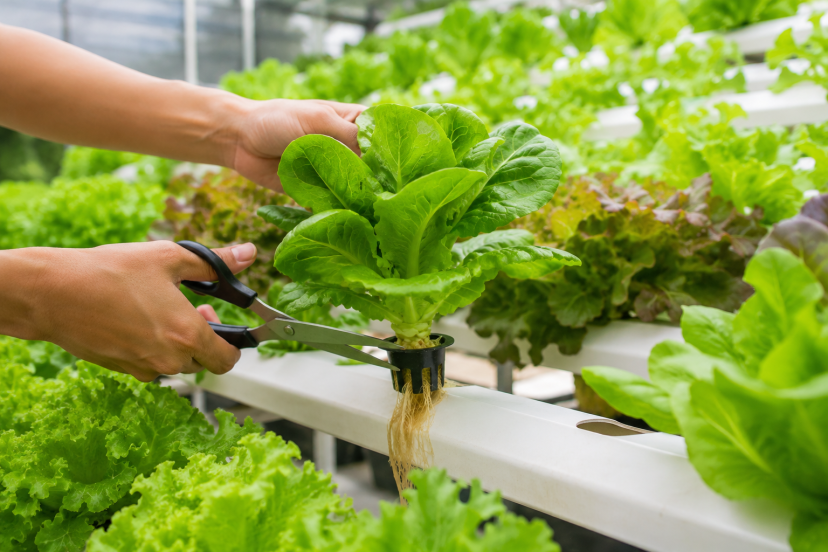
Use clean scissors, pruning shears, or a sharp harvesting knife. Blunt tools can damage stems, while unclean tools may transfer disease from one plant to another. Neither helps your garden.
Before cutting, wipe your blades with rubbing alcohol or wash them with warm soapy water. Also, wash your hands. If you handle roots, nutrient tanks, or old plant debris, clean up before touching edible leaves.
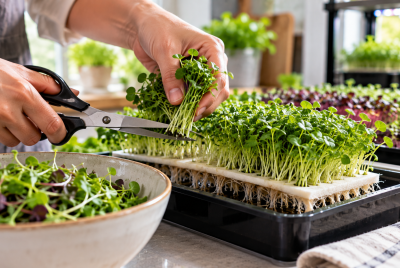
For leafy greens, cut cleanly at the base or remove outer leaves by hand. For herbs, snip just above a node. For fruiting plants, use pruners instead of yanking. Pulling can damage stems and stress the plant.
Clean harvesting is especially important because microbial safety remains a real concern in controlled growing systems. A 2023 review in Horticulturae discusses microbial safety in hydroponically grown vegetables and highlights how water, system hygiene, and handling practices matter.
Tip 4: Harvest in the Coolest Part of the Day
Harvest timing affects freshness.
For indoor hydroponic growers, harvest before grow lights have been blazing for hours. For greenhouse or outdoor systems, harvest early in the morning when plants are cooler and more hydrated.
Heat makes greens wilt faster. It can also reduce crispness. If you harvest during the hottest part of the day, your crops may look tired before they even reach the kitchen.
After cutting, move produce away from heat and direct light. Rinse only when needed, then dry gently. Wet leaves stored in sealed containers can spoil faster, so use a salad spinner or clean towel before refrigeration.
For herbs, avoid heavy washing unless they are dusty or dirty. Too much moisture can dull their aroma and shorten storage life.
Tip 5: Store Your Crops the Right Way
A great harvest can still go wrong after cutting.
Leafy greens need cool storage and gentle handling. Place dry leaves in a breathable container or bag with a paper towel to absorb excess moisture. Do not crush them under heavier produce.
Herbs like basil dislike cold temperatures. Store basil stems in a glass of water at room temperature, like a tiny green bouquet. Mint, cilantro, and parsley usually do better in the fridge with light moisture control.
Tomatoes should stay at room temperature if you plan to eat them soon. Refrigeration can dull flavor, especially before they fully ripen.
Peppers, cucumbers, and strawberries should go into the fridge, but do not wash strawberries until you are ready to eat them.
Postharvest quality varies by crop and growing method. One study comparing hydroponic and soil-grown lettuce looked at texture, antioxidant capacity, and functional qualities, showing that growing systems can influence final crop characteristics.
Recommended Products for Hydroponic Harvesting
Here are five useful product types to consider for a smoother hydroponic harvesting routine:
- Precision pruning scissors — Great for herbs, lettuce, and delicate stems.
- Digital pH meter — Helps you monitor nutrient solution balance.
- EC/TDS meter — Useful for tracking nutrient strength before harvest.
- Food-safe harvest basket — Keeps greens from getting crushed.
- Salad spinner or produce dryer — Helps remove moisture before storage.
For beginners, a small hydroponic kit can also help you learn plant timing before scaling up. Nutrients and enzyme products may support plant health, but always match them to your crop and system.
What Research Says About Hydroponic Crop Quality
Hydroponics is more than a trendy way to grow food. Researchers continue to study how water quality, nutrient strength, growing systems, and storage methods affect crop quality.
For example, a 2023 Frontiers in Plant Science study found that hydroponic lettuce performance depends heavily on nutrient solution concentration and water management, especially in greenhouse systems.
A 2024 review on organic hydroponics also shows growing interest in sustainable nutrient sources for hydroponic crops. However, it notes that organic hydroponic systems can be harder to manage than standard mineral-based systems.
In simple terms, harvest quality starts long before harvest day. Good light, clean water, steady nutrients, airflow, and proper timing all work together to produce fresher, better-tasting crops.
Common Hydroponic Harvesting Mistakes
The biggest mistake is waiting too long. Many beginners want giant leaves, but oversized greens often lose tenderness.
Cutting back too much growth at one time is another common harvesting mistake. If you want regrowth, leave enough healthy plant tissue behind.
Do not harvest with dirty scissors. Do not store wet greens in airtight containers. Do not ignore signs of plant stress. And please, do not yank fruit off the vine like you are starting a lawn mower. Use pruners.
Also, avoid harvesting everything just because one plant looks ready. In hydroponics, plants can mature at slightly different speeds, even in the same system.
Conclusion
Hydroponic harvesting works best when you treat it as part of the growing process, not just the final step. When you harvest at the right stage, use clean tools, handle crops gently, and store them properly, you protect the flavor, texture, and freshness you worked so hard to grow. With a little timing and care, your hydroponic garden can keep giving you crisp greens, fragrant herbs, and satisfying harvests season after season.
FAQs
What is the best time for Hydroponic Harvesting?
The best time is usually early morning or before grow lights have been on for too long. Cooler plants stay fresher and wilt less quickly.
Should I wash hydroponic vegetables after harvesting?
Yes, but gently. Hydroponic crops are often cleaner than soil-grown crops, but rinsing removes dust, residue, or handling contamination. Dry leafy greens before storing.
Can hydroponic lettuce regrow after harvesting?
Yes. If you harvest outer leaves and leave the center intact, many lettuce varieties can regrow for repeat harvests.
Why do my hydroponic greens taste bitter?
Bitterness often comes from late harvesting, heat stress, bolting, or nutrient imbalance. Harvest earlier and keep growing conditions stable.
What tools do I need for Hydroponic Harvesting?
You need clean scissors or pruners, a harvest basket, pH and EC meters, and proper storage containers. A salad spinner also helps with leafy greens.