Teach Them Young: Hydroponic Projects For Kids
We may earn a commission for purchases made using our links. Please see our disclosure for more details.
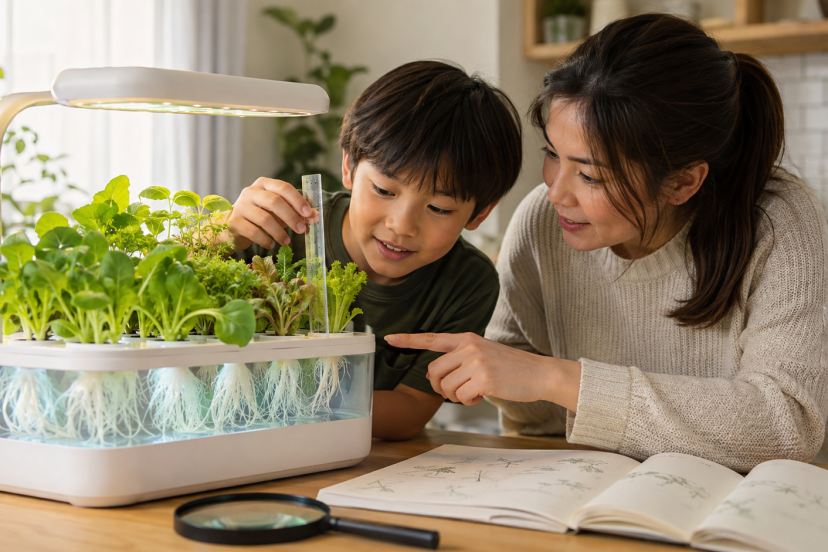
Children hear plenty of facts about plants, food, water, and the environment. Hydroponics lets them see those ideas unfold in front of them. The best hydroponic projects for kids are simple enough to keep the focus on discovery. A child can watch roots develop, measure growth, compare light conditions, and eventually taste something they helped produce. You do not need a greenhouse or an expensive growing tower, either. A jar, leafy-green seeds, water, and a few basic supplies can start a worthwhile experiment. Hydroponics also creates natural opportunities to discuss biology, chemistry, sustainability, and healthy eating. Better still, the project changes daily, giving children a reason to return and observe.
Why Hydroponics Is a Valuable Learning Tool
Hydroponics means growing plants without soil. Instead, roots receive water, oxygen, and dissolved mineral nutrients directly.
That simple definition leads to many questions. Why do roots need oxygen? Where do plants get their food? Does a plant grow faster under brighter light? Children can investigate these questions rather than simply memorizing answers.
Research supports this hands-on approach. A study involving fourth- and fifth-grade students found that a project combining hydroponics and design improved environmental knowledge while encouraging collaboration, creativity, communication, and critical thinking.
Another school-based study involving 553 adolescents associated hydroponic planting activities with improved green-space engagement and some healthier dietary behaviors. The researchers described the program as feasible while noting that more controlled research remains necessary.
Start With Safety and Adult Supervision
Hydroponics can be child-friendly, but an adult should manage several parts of the setup.
Keep concentrated nutrients and pH-adjusting chemicals out of children’s reach. An adult should measure and mix them according to the manufacturer’s directions. Children can pour prepared solution into the reservoir, but they should not handle concentrates.
Adults should also cut containers, drill holes, install electrical equipment, and manage cords. Use only indoor-rated pumps and lights, keep plugs away from water, and connect equipment with dry hands.
Clean your hands thoroughly after touching plants or hydroponic solution. Before eating a harvest, rinse it thoroughly. Never use a jar or container that previously held chemicals.
What You Need for a Beginner Project
Most small projects require only a few supplies:
- Lettuce, basil, bok choy, or radish seeds
- Seed-starting plugs, sponges, or coco coir
- Net cups or another plant support
- An opaque or covered container
- Hydroponic nutrients suitable for edible plants
- Clean water
- A sunny window or grow light
- Labels, a ruler, and a notebook
Lettuce and basil work especially well because they sprout fairly quickly and show visible changes. For more crop suggestions, our guide to growing hydroponic herbs at home explains which herbs suit small indoor systems.
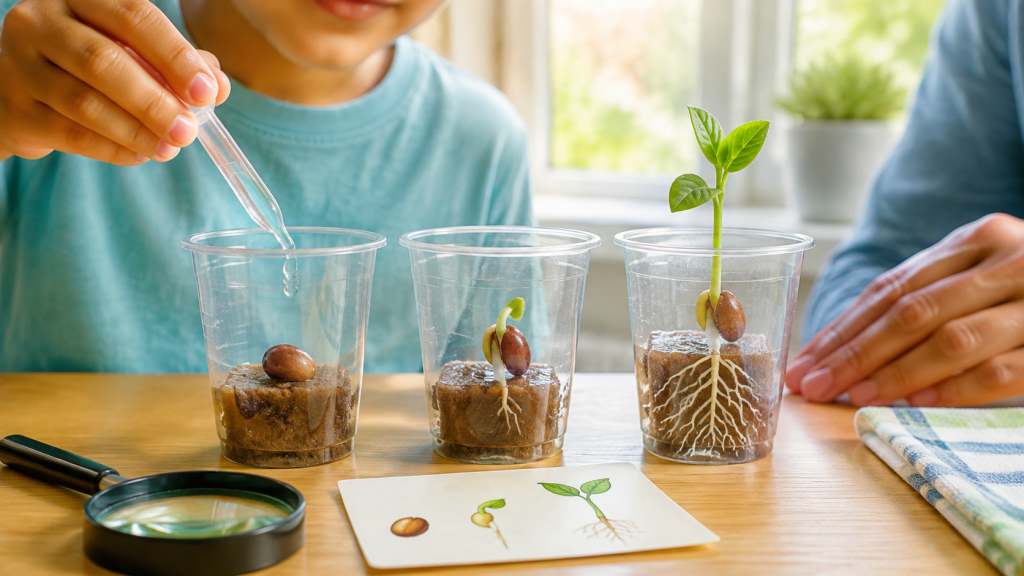
Project 1: Sprout Seeds in a Clear Cup
This starter activity suits younger children because results appear quickly.
Place a seed-starting sponge or a small amount of coco coir in a clear cup. Add seeds and enough water to keep the material damp without submerging it. Set the cup near bright light and check it each day.
Encourage your child to sketch their daily observations. Once roots reach the side of the cup, discuss how roots and shoots grow in different directions.
Use plain water during germination unless the seed or nutrient instructions say otherwise. Young seedlings contain stored energy and usually do not need a full-strength nutrient solution immediately.
Project 2: Build a Simple Kratky Jar
The Kratky method makes an excellent first hydroponic system because it needs no pump or moving parts.
An adult should cut or prepare an opening in an opaque container lid. Place a seedling in a net cup, fill the container with diluted nutrient solution, and position the cup so the bottom of the growing medium barely touches the solution.
As the plant drinks, the level drops and creates an air space for the developing roots. Do not keep refilling the jar to the top, since the upper roots need oxygen.
Children can mark the water level, measure the leaves, and record changes twice a week. Our beginner’s guide to the Kratky method offers a closer look at how this passive system works.
Project 3: Compare Light and Darkness
This controlled experiment helps children understand why plants need light.
Prepare two identical seedlings in matching containers. Put one under a grow light or beside a bright window. Place the other in a dim location for a limited period. Keep the water, nutrients, container size, and plant variety the same.
Invite your child to guess the outcome before starting the experiment. Measure height, leaf number, color, and general strength for several days.
The low-light plant may become pale and stretched as it searches for light. Return it to suitable lighting after the comparison rather than letting it deteriorate. Explain that a fair test changes one condition while keeping the others consistent.
Project 4: Test How Roots Use Water
Set up two similar Kratky jars, but grow a plant in only one. Mark both starting water levels.
Cover the unused jar just as carefully as the planted jar. This reduces evaporation and makes the comparison more meaningful. After several days, measure how much water remains.
The planted jar should generally lose more water because the plant absorbs water and releases some of it through its leaves. Weather, plant size, container coverage, and temperature can affect the result, so encourage children to consider those variables.
This project introduces transpiration without requiring complicated equipment.
Project 5: Create a Countertop Salad Garden
Older children may enjoy managing a small garden rather than conducting a short experiment.
Choose a countertop hydroponic system or several passive jars. Grow compact lettuce, basil, chives, or bok choy. Give each child responsibility for checking a specific task, such as water level, lighting, leaf health, or plant height.
Make the harvest part of the lesson. Children can wash the leaves, prepare a simple salad, or add basil to a family meal. Connecting care with food gives the project a satisfying purpose.
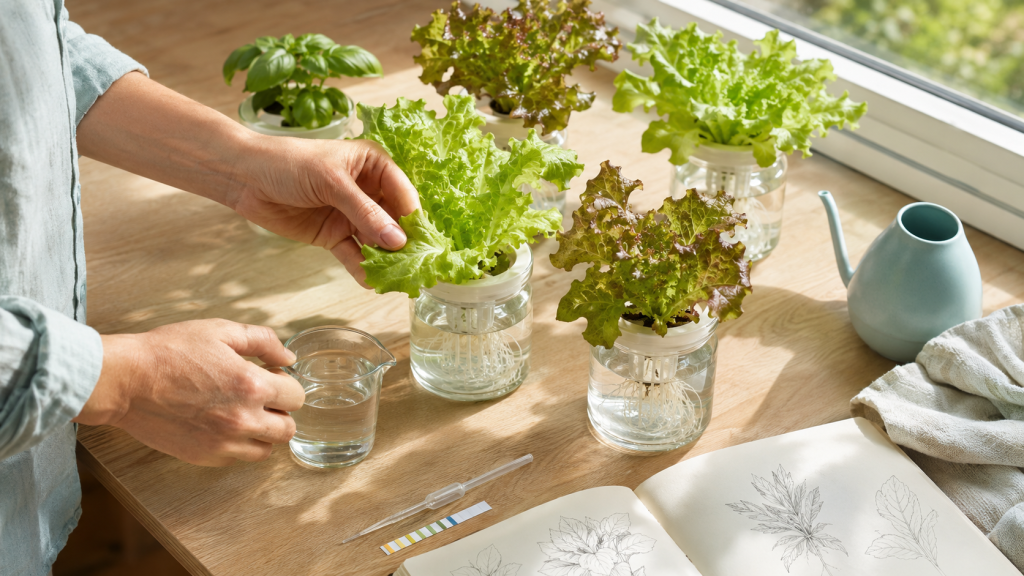
Turn Plant Care Into a Science Journal
A notebook transforms routine maintenance into useful data collection.
Ask children to record:
- Germination date
- Plant height
- Number of leaves
- Root length or appearance
- Water level
- Hours of light
- Questions and predictions
Younger children can use drawings, stickers, or photographs. Older students can create line graphs and calculate average weekly growth.
Avoid correcting every unexpected prediction. A failed guess still teaches children how evidence changes an explanation. That process lies at the heart of scientific thinking.
Common Problems Children Can Investigate
Algae often appears when light reaches nutrient water. Cover clear reservoirs with dark paper or foil while leaving the plant exposed.
Drooping leaves may indicate heat, low water, damaged roots, or incorrect nutrient strength. Check one possible cause at a time instead of changing everything together.
Brown or unpleasant-smelling roots can suggest poor oxygen levels or unhealthy water. Replace the solution, clean the reservoir, and review the setup. Active deep-water systems also require dependable aeration, as explained in this deep water culture guide.
Seeds may also fail to sprout. That does not make the project worthless. Compare moisture, seed age, temperature, and planting depth, then try again.
Recommended Products for Hydroponic Projects for Kids
Product selection should match the child’s age and the project’s complexity. Amazon listings and availability can change, so confirm the package contents before ordering.
1. AeroGarden Harvest Indoor Garden
The AeroGarden Harvest offers a tidy introduction to indoor growing. Its built-in light and reminders reduce setup work, making it suitable for families who want visible results without building a system.
2. iDOO Hydroponics Growing System
An iDOO countertop hydroponic system provides multiple planting spaces, an adjustable LED light, and circulating water. It works well for siblings or classroom groups growing several plant varieties.
3. VIVOSUN pH and TDS Meter Combo
The VIVOSUN pH and TDS meter combo lets older students gather numerical data about their nutrient solution. An adult should calibrate and supervise the meters. The manufacturer lists measurements for pH, dissolved solids, electrical conductivity, and temperature.
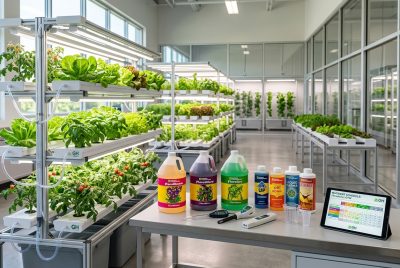
4. General Hydroponics Flora Series
The General Hydroponics Flora Series allows more advanced students to learn how mineral nutrients support plants. Because it comes as concentrated liquid, an adult must measure, mix, and store it safely.
5. Net Pots and Grow Sponges
A set of net pots and hydroponic grow sponges supports DIY jar projects and repeated experiments. Check that the pot diameter fits your chosen container before ordering.
Conclusion
The most rewarding hydroponic projects for kids do more than produce a few leaves. They turn an everyday plant into a living laboratory.
Start with one manageable project, choose a fast-growing crop, and give children genuine responsibility. Let them measure, predict, make mistakes, and suggest improvements. With thoughtful adult supervision, hydroponics can make plant science practical, memorable, and surprisingly fun.
FAQs
What age can children start learning hydroponics?
Children around four or five can help germinate seeds and observe roots. School-age children can maintain simple jars, while older students can measure pH, compare treatments, and analyze growth data under supervision.
What is the easiest hydroponic project for kids?
A clear-cup germination activity is the easiest hydroponic projects for kids. For growing a plant to harvest, a Kratky jar offers a simple, pump-free option.
Which plants grow best in children’s projects?
Leaf lettuce, basil, bok choy, and chives are dependable choices. Avoid large fruiting crops at first because they require more light, space, nutrients, and support.
Can children handle hydroponic nutrients?
Children can help add a prepared solution, but an adult should handle concentrated nutrients and pH chemicals. Follow the label exactly and store every product securely.
Do beginner hydroponic projects for kids require a grow light?
Not always. A bright window may support seedlings and small herbs, although results vary with season and location. A timed LED grow light provides more consistent conditions for experiments and year-round growing.