How to Grow Bigger Hydroponic Peppers at Home
We may earn a commission for purchases made using our links. Please see our disclosure for more details.
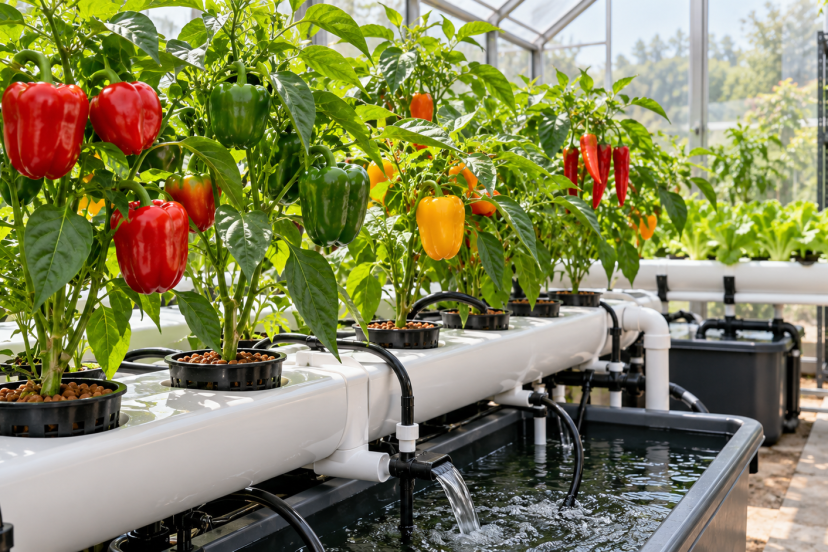
Successfully producing hydroponic peppers is more than having their roots in a nutrient solution. Large fruit is the result of several factors combined including intense light, adequate and balanced nutrition, healthy roots, effective pollination, and sufficient plant tissue to support a heavy fruit load. When you understand how all of these pieces interact, you can quickly see what is holding your peppers back and make simple changes to help them grow stronger and produce more fruit.
Choose a Pepper Variety That Can Produce Large Fruit
Fruit size starts with genetics. Even a perfectly managed hydroponic system cannot make a naturally small pepper variety produce giant fruit.
If your main goal is size, choose bell peppers or another cultivar known for producing large, thick-walled fruit. Seed descriptions often include information about mature fruit size, plant height, and whether the variety performs well in containers or protected growing environments.
This matters more than it may seem. You can spend weeks adjusting nutrients and lighting only to discover that the plant is already producing fruit close to its natural maximum.
Start with good genetics, and everything you do afterward has a better chance of paying off.
Give Your Hydroponic Peppers Enough Root Space
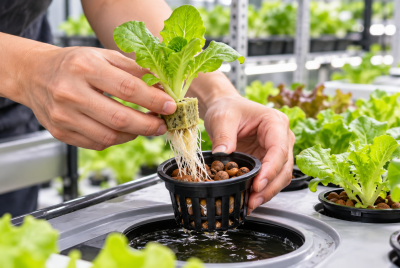
Pepper seedlings may look comfortable in small containers, but mature plants develop surprisingly substantial root systems.
As roots become crowded, oxygen and nutrient movement can suffer. In recirculating systems, an oversized root mass may also interfere with drains, pipes, or water circulation.
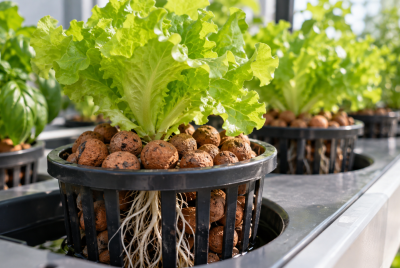
Dutch buckets, drip systems, deep-water culture systems, and larger substrate containers can all support peppers well when properly managed.
Plan for the plant’s needs as it matures. A container that seems enormous when your plant is six inches tall may feel very different once that same plant is covered with branches and fruit.
Healthy roots provide the foundation for everything happening above the reservoir.
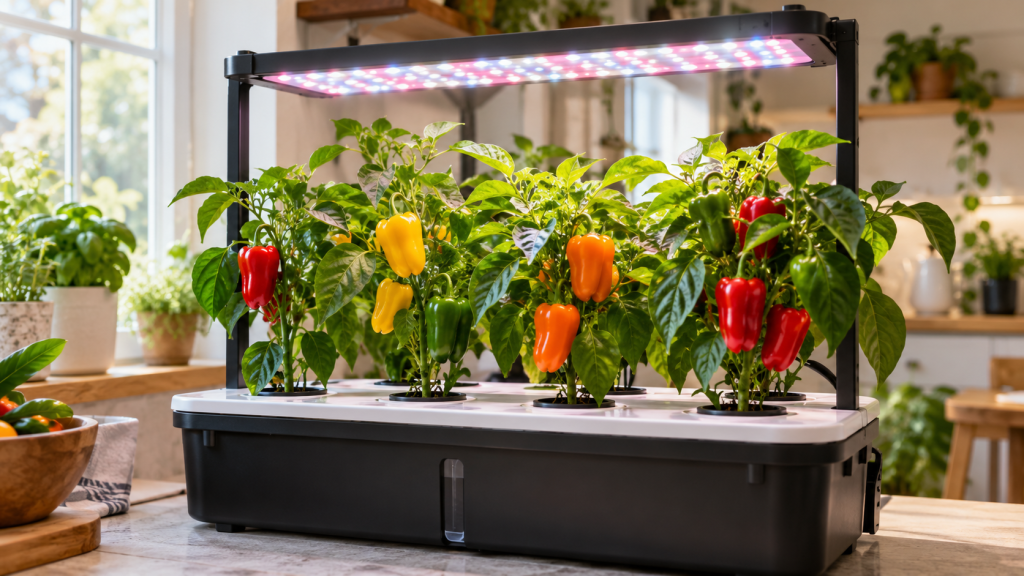
Provide Strong, Consistent Light
Large peppers require energy, and most of that energy begins with light.
One of the most common problems in indoor pepper growing is a plant that receives enough light to stay alive but not enough to perform at its full potential. It may stretch toward the fixture, produce fewer flowers, or develop fruit slowly.
Use a capable full-spectrum grow light and make sure its coverage reaches more than just the center of the canopy. As the plant grows, raise or adjust the fixture according to the manufacturer’s recommendations.
If you are still choosing a fixture, this guide to hydroponic LED grow lights explains useful concepts such as PPFD, coverage area, spectrum, and dimming.
Give your peppers a regular dark period as well. More light is not automatically better when the plant never gets a proper night cycle.
Get pH and EC Under Control
Hydroponic growing gives you remarkable control over plant nutrition, but that control comes with responsibility. A nutrient solution can contain everything a pepper needs and still cause problems if its pH or concentration moves too far out of range.
Oklahoma State University’s hydroponic EC and pH guidance lists peppers around pH 5.5 to 6.0 and provides EC guidance that can serve as a starting reference.
However, these numbers should not be treated as rigid rules. Pepper variety, plant age, temperature, water quality, and the nutrient formula can all influence the ideal range.
Check your reservoir regularly rather than waiting for plants to show visible symptoms. If EC suddenly climbs, for example, the plants may be taking up more water than nutrients. A declining EC can suggest the opposite.
A study on hydroponically grown sweet peppers found that both very high and very low nutrient concentrations reduced plant growth, photosynthesis, and root activity. This is a useful reminder that pushing EC higher does not automatically lead to bigger peppers; a balanced nutrient solution is more important.
Small measurements often reveal problems long before damaged leaves do.
Feed for the Growth Stage
Young pepper plants are busy building stems, roots, and leaves. Once flowering begins, their priorities change.
During early growth, peppers need sufficient nitrogen to develop a strong canopy. As fruit begins forming, potassium becomes increasingly important, while calcium remains essential for normal plant and fruit development.
That does not mean you should dramatically increase fertilizer the moment you see a flower.
In fact, one mistake growers sometimes make is assuming that a fruiting plant needs a much stronger nutrient solution. Excess fertilizer can place unnecessary stress on the root system instead of producing larger peppers.
If you want to understand nutrient balance in more detail, this guide to choosing a hydroponic nutrient solution covers macronutrients, micronutrients, solution strength, and nutrient management.
Make adjustments gradually and judge the plant’s response over time.
Keep the Root Zone Healthy
When peppers struggle, growers often look first at the leaves. The real problem, however, may be sitting inside the reservoir.
Roots need moisture, nutrients, and oxygen. If one of those falls out of balance, growth can slow quickly.
In deep-water culture, use reliable air pumps and air stones to keep the solution well oxygenated. In drip or substrate systems, irrigate often enough to prevent excessive drying without leaving the root zone continuously saturated.
Reservoir temperature deserves attention too. Warmer water holds less dissolved oxygen and can create conditions that encourage root problems.
Healthy pepper roots usually look light in color and feel firm rather than soft or slimy. Roots that become slimy, unusually dark, or foul-smelling should be investigated immediately.
Encourage Good Flowering and Pollination
Pepper flowers are self-pollinating, but indoor conditions do not provide the same movement they would receive outdoors.
There may be no wind, insects, or regular vibration to help move pollen within the flower.
Fortunately, the solution is simple. You can gently shake the plant, tap flower-bearing branches, or use a small fan to create mild airflow.
A few dropped flowers are not unusual. If flowers repeatedly appear and then fall without setting fruit, however, investigate environmental stress.
Excessive heat, weak light, sudden changes in humidity, inconsistent watering, or nutrient problems can all interfere with fruit set.
Prune Carefully
Pruning can make a hydroponic pepper plant easier to manage, especially when it becomes dense and difficult to access.
Still, peppers do not need to be stripped down aggressively.
Their leaves capture the light used to support flowering and fruit development. Removing too much healthy foliage may leave the plant looking tidy while reducing its ability to produce energy.
Start with damaged leaves, weak growth, and shoots that create severe crowding. You can also open dense areas slightly to improve airflow.
Once several peppers are developing, keep enough healthy foliage to support them.
Pruning should improve the plant’s structure, not simply make it smaller.
Support Heavy Branches Early
A branch carrying several mature bell peppers can become surprisingly heavy.
Without support, branches may bend sharply or split where they join the main stem. This becomes especially frustrating when a plant has spent weeks developing fruit that is almost ready for harvest.
Install support before the plant reaches that stage.
Stakes, plant clips, strings, cages, and trellis netting can all work. Secure branches gently and leave enough room for stems to expand.
Support should reduce strain rather than force branches into rigid positions.
Manage Fruit Load for Bigger Individual Peppers
A plant has a limited amount of energy available at any given time. When it carries many fruits at once, that energy must be divided among them.
This is why a small or moderately sized plant may produce several peppers that remain smaller than expected.
If your priority is maximum fruit size rather than the highest possible fruit count, selective thinning can help. Remove obviously damaged, misshapen, or weak fruit first.
There is no need to remove healthy peppers simply because several are developing at once. Observe the plant.
A vigorous plant with a large canopy and strong root system can support more fruit than a smaller plant that has only recently begun flowering.
Tools That Make Growing Peppers Easier
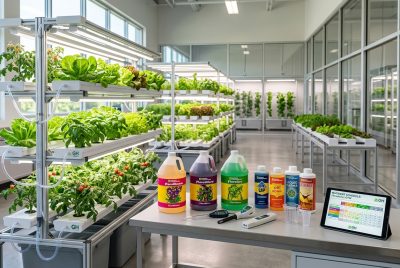
General Hydroponics FloraSeries
The General Hydroponics FloraSeries uses separate Micro, Gro, and Bloom nutrients, making it easy to adjust feeding as pepper plants move from leafy growth to flowering and fruiting.
Apera Instruments PH20 pH Tester
The Apera Instruments PH20 helps you monitor reservoir pH accurately. It includes automatic calibration, temperature compensation, and a waterproof design.
Bluelab Truncheon Nutrient Meter
The Bluelab Truncheon Nutrient Meter makes EC testing quick and simple, helping you see whether your nutrient solution is becoming too concentrated or too weak.
Spider Farmer SF1000 LED Grow Light
The Spider Farmer SF1000 is a dimmable full-spectrum LED that works well for smaller indoor setups and can support peppers through multiple growth stages.
VIVOSUN Heavy-Duty Trellis Netting
VIVOSUN Heavy-Duty Trellis Netting supports fruit-heavy branches and helps keep mature pepper plants organized as they spread.
Conclusion
Larger hydroponic peppers don’t come from one big change. They are the cumulative effect of dozens of tiny factors remaining more or less constant in time:- healthy roots, sufficient light, balanced nutrients, proper pH and EC, effective pollination, smart pruning and strong branch support. Watch what the plant is telling you instead of running after ever higher fertilizer numbers, or making unwise abrupt changes. When a pepper plant is able to grow at a steady pace from root to fruit, size tends to increase naturally — and the real reward isn’t simply a bigger pepper, but a healthier plant that can put out fruit on a consistent basis all season long.
FAQs
What pH is best for hydroponic peppers?
A pH of around 5.5 to 6.0 is a useful starting point for hydroponic peppers. Monitor it regularly because nutrient uptake can cause the reservoir pH to change over time.
How much time do hydroponic peppers need to mature?
Growth time depends on the variety and growing environment. Most peppers need several months from seed to mature fruit, while larger bell pepper varieties usually take longer than smaller hot peppers.
Why are my hydroponic peppers staying small?
Small fruit may result from weak lighting, excessive fruit load, poor pollination, nutrient imbalance, environmental stress, limited root space, or the genetics of the variety itself.
Should I increase nutrients when peppers start fruiting?
The nutrient balance may need adjustment during flowering and fruiting, but avoid suddenly raising the overall concentration. Monitor EC and follow a feeding program designed for fruiting plants.
Can peppers grow indoors completely under LED lights?
Yes. Peppers can complete their entire life cycle indoors under LED lighting. They need sufficient light intensity, balanced nutrition, proper temperatures, healthy roots, airflow, and adequate pollination to produce a strong crop.