Best Hydroponic Air Pump for Indoor Gardens
We may earn a commission for purchases made using our links. Please see our disclosure for more details.
A hydroponic air pump may not look exciting, but it does one of the most important jobs in your indoor garden. It keeps oxygen moving through your nutrient solution, helping roots breathe, absorb nutrients, and stay healthier.
If you are growing lettuce, herbs, strawberries, peppers, or leafy greens indoors, good aeration can make a real difference. Without enough oxygen, roots can become stressed, slimy, or slow-growing. And honestly, nobody wants sad roots after spending money on lights, nutrients, and a clean setup.
In this guide, we’ll look at how hydroponic air pumps work, what features matter, and which products are worth considering for small to medium indoor gardens.
Why a Hydroponic Air Pump Matters
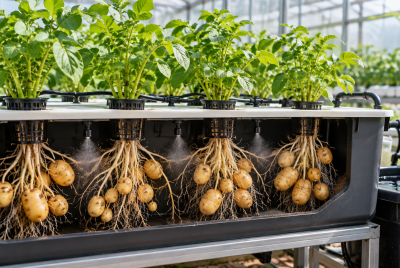
In soil, plant roots get oxygen from tiny air pockets. In hydroponics, roots often sit in or near water. That means oxygen has to come from somewhere else.
That’s where an air pump makes a difference.
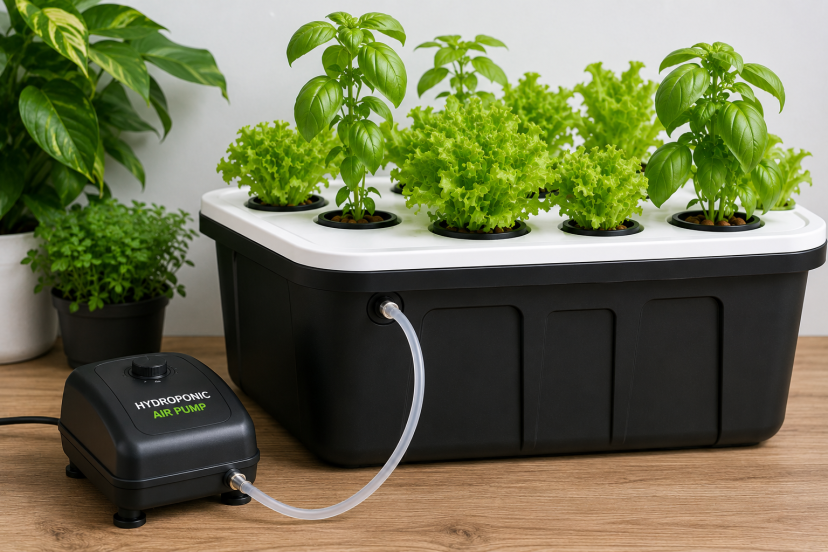
A hydroponic air pump sends air through tubing and delivers it to an air stone. The air stone breaks that air into bubbles, which helps increase dissolved oxygen in the water.
This is especially important in systems like:
- Deep water culture
- Bucket systems
- Small indoor reservoirs
- Cloning setups
- Kratky-style systems that need extra support
- Seedling trays with nutrient solution
The USDA explains hydroponics as growing plants with a water-based nutrient solution instead of soil, often with support media like coco coir, perlite, or vermiculite. That water-based setup makes oxygen management a big deal for root health.
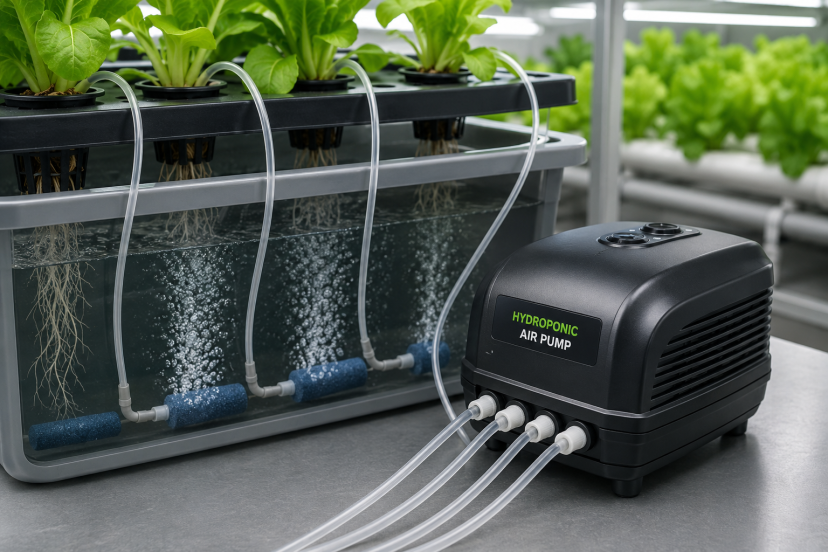
How Air Pumps Support Root Health
Roots do more than “drink” nutrients. They also respire, which means they use oxygen as part of their normal growth process.
A study published in Agriculture found that dissolved oxygen in hydroponic systems affects plant growth and nutrient uptake. The researchers noted that oxygen can gradually decline in the solution because roots use it during respiration. You can read more in this study on dissolved oxygen and nutrient uptake in hydroponic growing conditions.
When oxygen levels drop, plants may show signs like:
- Slower growth
- Droopy leaves
- Brown or slimy roots
- Poor nutrient uptake
- Higher risk of root disease
In addition, Oklahoma State University’s hydroponics guide explains that hydroponic plants grow in liquid nutrient solutions, with or without artificial media. Since the roots rely heavily on that solution, keeping it well managed is essential. Their overview of hydroponic systems and growing media is a useful resource for beginners.
For a deeper look at how the reservoir affects the whole system, you can also read this guide to choosing and managing a hydroponic reservoir.
How to Choose the Right Hydroponic Air Pump
Not every air pump fits every garden. A tiny pump may work for a mason jar herb setup, but it will struggle with multiple buckets.
Here are the features to compare before buying.
Airflow Output
Airflow is usually listed in gallons per hour, liters per minute, or watts. For small indoor systems, you do not need a massive commercial pump.
As a simple rule, your pump should create steady bubbling across the reservoir without violently splashing water. Gentle but consistent aeration is the sweet spot.
Number of Outlets
A single-outlet pump works for one bucket or small reservoir. If you run several buckets, choose a pump with multiple outlets.
Multiple outlets help you connect several air stones without using too many splitters.
Noise Level
Indoor growers should care about sound. Some pumps hum loudly, especially larger commercial models.
If your garden sits in a bedroom, office, or apartment, look for pumps described as quiet or low-noise. You can also place the pump on foam or a rubber mat to reduce vibration.
Durability
A hydroponic air pump may run 24 hours a day. That means durability matters.
Look for strong housing, heat control, replaceable parts, and solid reviews from hydroponic or aquarium users.
Air Stone Compatibility
The pump is only half the setup. You also need air stones, check valves, and tubing.
A strong pump with a poor air stone will not perform well. Choose air stones that match your reservoir size and clean or replace them when bubbles become weak.
Best Hydroponic Air Pump Options
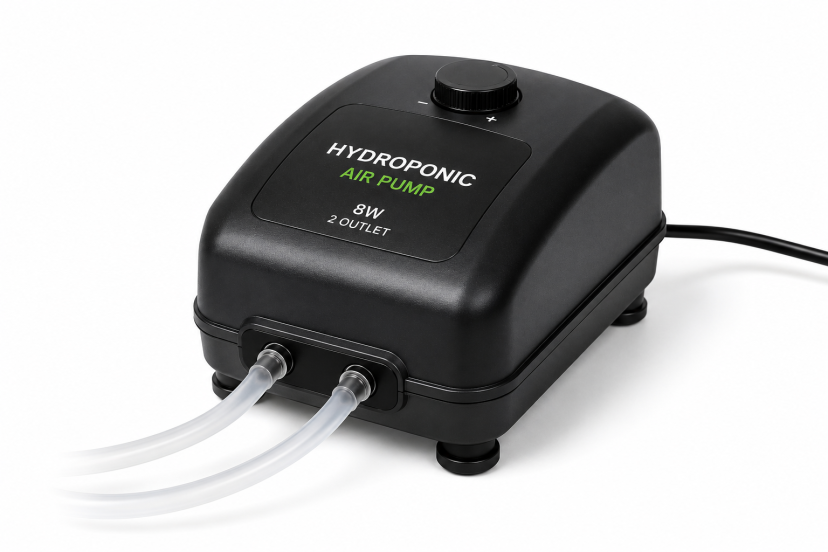
Here are five relevant Amazon products for indoor hydroponic gardens. Availability and specs may change, so always check the current product details before buying.
1. VIVOSUN 317 GPH Air Pump
The VIVOSUN 317 GPH Air Pump is a popular choice for small to medium hydroponic systems. It usually comes with multiple outlets, making it useful for growers running several buckets or air stones.
Best for: Multi-bucket beginner setups
Why it works: Good airflow, multiple outlets, and hydroponic-friendly design
2. Hydrofarm Active Aqua Air Pump
The Hydrofarm Active Aqua Air Pump is well-known in the hydroponic space. It comes in different outlet sizes, so you can choose one based on your garden size.
Best for: Reliable indoor hydroponic systems
Why it works: Simple design, strong brand presence, and multiple size options
3. Tetra Whisper Air Pump
The Tetra Whisper Air Pump is technically an aquarium pump, but many small hydroponic growers use it for compact systems.
Best for: Small herb gardens or single reservoirs
Why it works: Quiet operation and easy setup
4. Pawfly Aquarium Air Pump Kit
The Pawfly Aquarium Air Pump Kit is a budget-friendly option for small hydroponic projects. Many kits include tubing, check valves, and air stones, which helps beginners avoid buying everything separately.
Best for: Starter setups
Why it works: Affordable and often sold as a complete kit
5. EcoPlus Commercial Air Pump
The EcoPlus Commercial Air Pump is better suited for growers who need stronger airflow. It can support larger reservoirs or several buckets at once.
Best for: Larger indoor gardens
Why it works: Strong output and multiple outlet support
Setup Tips for Better Aeration
A good pump helps, but setup matters too.
Place the air pump above the waterline when possible. This helps reduce the risk of water flowing backward into the pump. If you must place it lower, use a check valve.
Place the pump somewhere dry with good airflow. Air pumps can warm up during long use, so avoid stuffing them into a tight cabinet.
Use quality tubing and replace cracked or stiff lines. Small leaks can weaken airflow before it reaches the air stone.
Also, clean your air stones regularly. Mineral buildup and nutrient residue can clog them over time.
Common Mistakes to Avoid
One common mistake is buying the cheapest pump without checking airflow. A weak pump may bubble, but it may not oxygenate the reservoir enough.
Another mistake is ignoring noise. A loud pump can become annoying fast, especially indoors.
Some growers also use one tiny air stone in a large reservoir. In that case, oxygen may not spread evenly. Use multiple stones or a larger air stone when needed.
Finally, do not forget the reservoir itself. Water temperature, cleanliness, and nutrient balance all affect root health. Aeration helps, but it cannot fix a dirty or overheated system.
Conclusion
The best hydroponic air pump depends on your garden size, reservoir setup, and noise tolerance. For small herb gardens, a quiet aquarium-style pump may be enough. For deep water culture buckets or multi-plant systems, choose a stronger pump with multiple outlets.
Think of your air pump as root insurance. It keeps oxygen moving, supports nutrient uptake, and helps your plants grow with fewer setbacks. A small, reliable pump can save you from a lot of hydroponic headaches later.
FAQs
What size hydroponic air pump do I need?
For a small single-bucket setup, a compact pump may work well. For larger reservoirs or multiple buckets, choose a higher-output pump with multiple outlets.
Should you run a hydroponic air pump continuously?
In most deep water culture systems, yes. Running the pump continuously helps keep oxygen available for the roots.
Can an aquarium air pump work for hydroponics?
Yes, many small hydroponic growers use aquarium air pumps. Just make sure the pump provides enough airflow for your reservoir size.
Do I need an air stone with my pump?
Yes, an air stone helps break air into smaller bubbles. This improves oxygen distribution in the nutrient solution.
Why are my air bubbles weak?
Weak bubbles may come from a clogged air stone, kinked tubing, air leaks, or an underpowered pump. Clean the air stone and check all connections first.