Best Hydroponic Systems For Beginners
We may earn a commission for purchases made using our links. Please see our disclosure for more details.
Growing fresh herbs and vegetables at home sounds great, but what if you don’t have a backyard or much gardening experience? That’s where hydroponics comes in. It lets you grow plants without soil, making it a practical option for small spaces and indoor gardening. The tricky part is choosing your first setup. With so many options available, it’s easy to feel unsure about which system is worth buying. In this guide, we’ll explorethe best hydroponic systems for beginners for your gardening goals.
What Is a Hydroponic System?
Hydroponics is simply a way to grow plants without soil. Instead, your plants get their nutrients from water mixed with a special fertilizer.
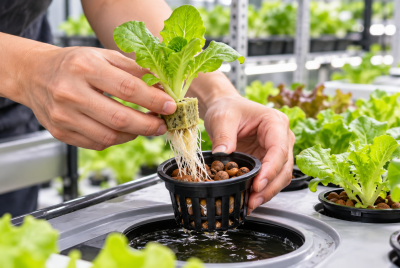
Most systems use a reservoir to hold the water, net cups to support the plants, and a way to keep their roots supplied with moisture and oxygen.
Sounds complicated? It really doesn’t have to be.
Many modern systems come with built-in grow lights, water pumps, and timers. Your main job is checking the water, adding nutrients, and watching your plants grow.
It’s a practical option if you live in an apartment, have limited outdoor space, or simply want fresh greens throughout the year.
Types of Hydroponic Systems for Beginners
Before buying the best hydroponic systems, it helps to know how the most common systems work. Each has advantages depending on what you want to grow.
Deep Water Culture (DWC)
Deep water culture keeps plant roots in nutrient-rich water while an air pump supplies oxygen.
It’s popular because the setup is relatively straightforward and works well for lettuce, basil, and other leafy greens.
If you’d like to understand the process better, this deep water culture guide explains the equipment and growing requirements.
Nutrient Film Technique (NFT)
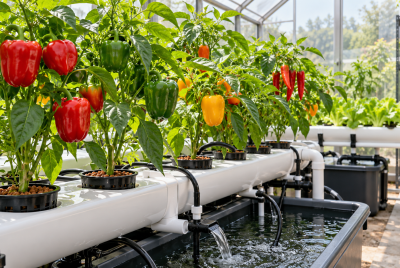
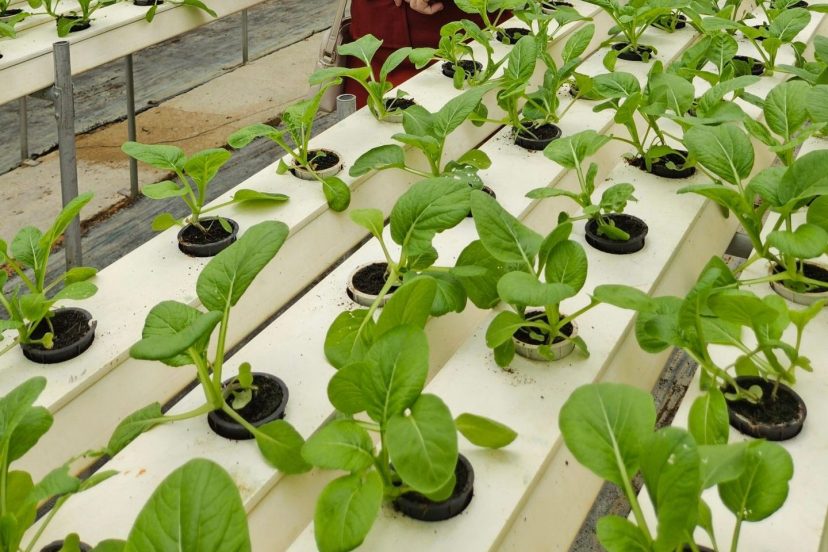
NFT systems deliver a steady, shallow flow of nutrient-rich water along channels that hold the plant roots.
They’re great for growing several leafy vegetables in a small space. However, you’ll need to keep the water pump working properly because the roots depend on regular water flow.
Kratky Method
Want something even simpler? The Kratky method doesn’t need a water pump or electricity.
Plants sit above a container of nutrient solution. As they drink, the water level drops and creates an air gap that helps the roots breathe.
It’s an affordable way to experiment with hydroponics before investing in a bigger setup.
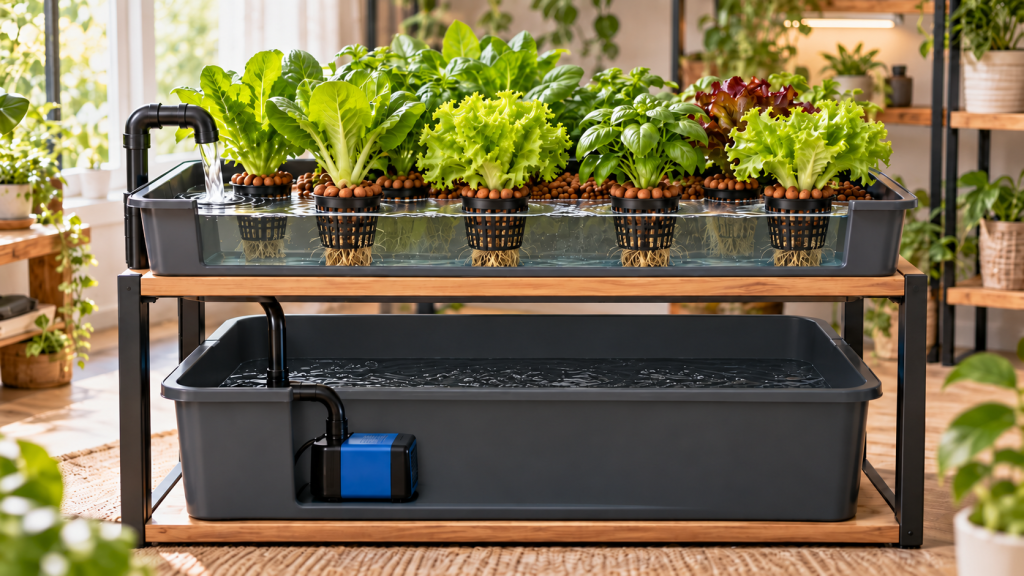
Ebb and Flow Systems
These systems work by periodically flooding a growing tray with nutrient solution and then draining it.
They’re flexible and can support different crops, although you’ll need a pump, timer, and growing medium.
How to Choose the Best Hydroponic System
The most expensive setup isn’t necessarily the best one. What matters is finding something you’ll enjoy using.
Before choosing a hydroponic system, think about what will work best for your space, budget, and growing needs.
- Available space: A six-pod countertop garden may be enough for a small apartment. Larger systems need more room.
- Lighting: If your home doesn’t get much sunlight, look for a model with built-in LED grow lights.
- Plant capacity: Think about what you actually want to grow rather than buying the system with the most planting holes.
- Ease of cleaning: Removable reservoirs and accessible parts make maintenance much easier.
- Budget: Remember to account for nutrients, replacement sponges, seeds, and electricity.
For most beginners, a compact indoor garden with automatic lighting is a comfortable place to start.
Best Hydroponic Systems: 5 Beginner-Friendly Picks
You don’t need professional equipment to grow healthy plants. These five systems offer different ways to get started, whether you want a kitchen herb garden or something more hands-on.
1. AeroGarden Harvest 2.0
The AeroGarden Harvest 2.0 is worth considering if you’re completely new to hydroponics.
It has room for six plants and includes an LED grow light, so you don’t need to arrange separate lighting. Its compact design also fits nicely on many kitchen counters.
It’s especially suitable for herbs such as basil, parsley, and thyme.
Best for: Beginners who want a small indoor herb garden.
Keep in mind: Larger vegetables can quickly outgrow the available space.
2. iDOO 12-Pod Hydroponics Growing System
Want to grow more than a handful of herbs? The iDOO 12-pod system gives you additional planting spots without taking up a huge amount of space.
Many versions include adjustable LED lights and a circulating water pump. These features make it easier to manage indoor growing conditions.
You can grow different herbs and leafy greens together, although mature plants may need extra room.
Best for: Beginners who want to grow several varieties.
Keep in mind: Filling every pod can lead to overcrowding.
3. LetPot Hydroponics Growing System
If you enjoy smart home gadgets, LetPot has some interesting options.
Selected models offer app-based controls that let you adjust lighting schedules. That can be handy if you prefer managing your indoor garden from your phone.
The system still needs regular water checks and nutrient adjustments, but automated features can make daily care more convenient.
Best for: Beginners interested in smart gardening features.
Keep in mind: Features vary across LetPot models.
4. VIVOSUN 5-Gallon DWC Hydroponic System
Ready to learn a little more about how hydroponics works?
The VIVOSUN DWC bucket system gives plant roots room to develop inside nutrient-filled containers. Air pumps and air stones supply the oxygen that submerged roots need to stay healthy.
It’s a useful choice if you’d rather understand the growing process instead of relying entirely on a countertop appliance.
Best for: Beginners interested in traditional DWC gardening.
Keep in mind: You’ll usually need separate lighting and some additional supplies.
5. Ahopegarden 12-Pod Hydroponics Growing System
The Ahopegarden 12-pod system is another practical option for indoor growers.
It combines several planting positions with LED lighting and water circulation. You can try different herbs or grow a small collection of leafy vegetables in one place.
It’s particularly appealing if you want a convenient garden without building your own setup.
Best for: Indoor gardeners who want more planting space.
Keep in mind: You’ll need to prune plants as they grow to prevent crowding.
What Can You Grow in a Hydroponic System?
You might be surprised by how many plants grow well without soil.
For your first attempt, start with something forgiving.
Lettuce is a great choice because it grows relatively quickly and doesn’t need much support.
Basil is a popular choice for home growers who love adding fresh herbs to their meals. You can also try mint, parsley, kale, or bok choy.
Curious about growing different varieties? This beginner’s guide to hydroponic herbs offers useful growing tips.
Tomatoes and peppers are possible too, but they need stronger lighting, more space, and closer attention to nutrients.
How to Set Up Your First Hydroponic Garden
Getting started is easier when you keep things simple.
- Choose your location. Find a stable spot with enough space and access to electricity if your system needs it.
- Assemble the equipment. Follow the manufacturer’s instructions and check that everything fits securely.
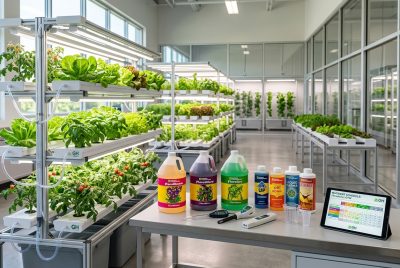
- Add water and nutrients. Use hydroponic fertilizer according to the label.
- Plant your seeds. Place them in suitable growing plugs and keep them moist during germination.
- Adjust the lighting. Make sure young plants receive enough light without overheating.
- Monitor growth. Check water levels, leaves, and roots regularly.
Your first harvest might not turn out exactly as expected, and that’s part of learning how to grow. Every growing cycle teaches you something useful.
Common Hydroponic Mistakes to Avoid
One mistake beginners often make is adding too much fertilizer. Adding extra fertilizer won’t necessarily help your plants grow quicker. In fact, excessive concentrations can damage roots.
Inadequate lighting can also affect plant growth, often causing thin stems, pale leaves, and weak development.
You’ll also want to pay attention to oxygen levels.
According to Oregon State University’s peer-reviewed guidance on deep water culture, air pumps and air stones help keep nutrient solutions oxygenated in DWC systems.
Finally, don’t crowd your plants. Those tiny seedlings won’t stay tiny forever.
How Much Maintenance Does Hydroponics Need?
Hydroponics is convenient, but it isn’t completely hands-off.
Check your water level regularly and watch for changes in leaf color or root health. Clean your equipment between growing cycles to help prevent algae and other problems.
It’s also worth checking your nutrient solution.
Virginia Cooperative Extension’s guidance on hydroponic nutrient management recommends monitoring pH and electrical conductivity two or three times weekly in DWC systems. Many crops perform well around pH 5.5–6.2, although their individual needs vary.
Once you establish a routine, these checks become a normal part of caring for your plants.
Conclusion
Finding the best hydroponic systems for beginners doesn’t have to be difficult. Start by thinking about your growing space, budget, and the plants you’d actually enjoy harvesting. A compact countertop garden makes an excellent first setup if convenience matters most. If you’re curious about the growing process, a basic DWC system offers more opportunities to experiment. You don’t need to grow everything at once. Start with a few herbs or lettuce plants, learn what works, and build your garden from there.
FAQs
1. Which hydroponic setup is best for someone just starting out?
A countertop system with built-in lighting is usually the easiest option. The Kratky method is also beginner-friendly if you prefer a simple, low-cost setup without pumps.
2. Are hydroponic systems expensive to run?
Not necessarily. Small systems usually have manageable operating costs. Your main expenses include electricity, nutrients, seeds, and replacement growing supplies.
3. Is it possible to grow hydroponic plants indoors without natural sunlight?
Yes! Properly sized LED grow lights can provide the light your plants need, making year-round indoor gardening possible.
4. How often should I change hydroponic water?
Many small systems need a complete nutrient solution change roughly every one to three weeks. The exact schedule depends on reservoir size, plant growth, water quality, and manufacturer recommendations.
5. Can hydroponics produce faster plant growth than traditional soil gardening?
They can grow faster when nutrients, lighting, oxygen, and temperature stay within suitable ranges. However, hydroponics doesn’t automatically guarantee faster growth. Healthy growing conditions still make the biggest difference.