Hydroponic Kits for Beginners: Start Growing Today
We may earn a commission for purchases made using our links. Please see our disclosure for more details.
If you’ve been curious about growing fresh herbs or leafy greens indoors, hydroponic kits make it incredibly easy to get started. You don’t need a backyard. You don’t need soil. And you definitely don’t need years of gardening experience.
In fact, many beginners find hydroponic kits easier than traditional gardening because everything is controlled. Water, nutrients, and light are all delivered directly to the plant’s roots. As a result, growth happens faster and with fewer problems.
If hydroponics has been on your mind, this is your sign to start. Let’s dive in!
Why Hydroponic Kits Are Perfect for Beginners
Traditional gardening requires good soil, proper drainage, seasonal timing, and often a lot of patience. Hydroponic systems remove most of that complexity.
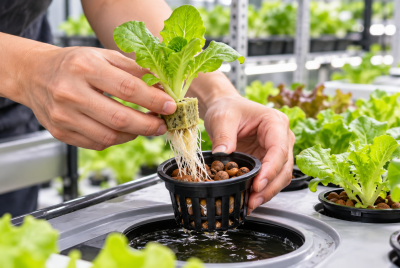
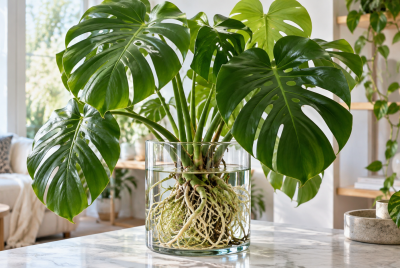
Rather than growing in soil, plants develop in a nutrient-rich water solution that feeds them directly at the roots. Because roots receive oxygen and nutrients directly, plants grow up to 30–50% faster compared to soil in many cases.
Moreover, hydroponic kits come pre-designed. You don’t need to engineer anything yourself. You simply assemble, add water and nutrients, and plug in the light.
For beginners, that simplicity changes everything.
How Hydroponic Kits Work
At their core, hydroponic kits rely on three essential components:
- Water reservoir
- Nutrient solution
- Light source
Water carries nutrients directly to the roots. In many systems, a small pump circulates the water to maintain oxygen levels. If you want to understand how pumps influence plant health, this detailed guide on hydroponics water pump systems explains why proper circulation matters for root development and growth consistency.
LED grow lights then mimic sunlight, allowing you to grow year-round indoors. Because the environment stays controlled, plants experience less stress.
And less stress means better harvests.
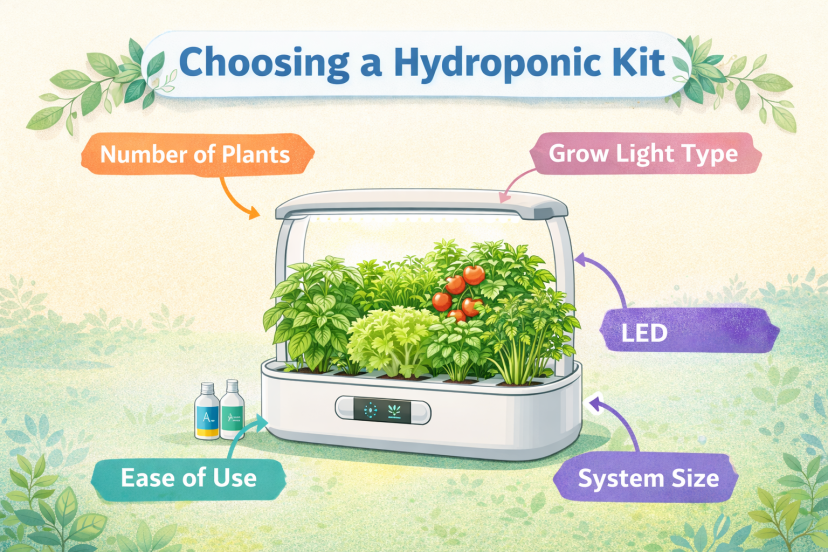
What to Look for in Hydroponic Kits
Not all hydroponic kits are equal. Before buying, pay attention to these features.
Lighting
Full-spectrum LED lights promote faster growth and better flavor. Adjustable height is also important as plants grow.
Water Circulation
A quiet, reliable pump keeps nutrients flowing. Systems without proper circulation often struggle with root rot.
Growing Medium
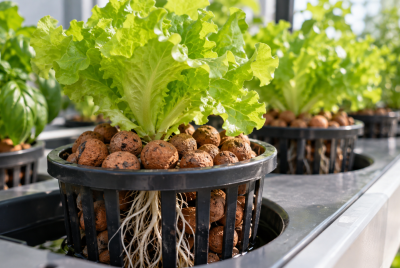
Most kits use sponge pods or rockwool. Both work well for beginners because they hold moisture and oxygen effectively.
Ease of Maintenance
Look for kits with water level indicators, simple cleaning design, and clear instructions.
5 Best Hydroponic Kits for Beginners (Top Picks)
Here are five beginner-friendly systems that consistently receive high ratings from hydroponic enthusiasts.
1. AeroGarden Harvest Indoor Garden
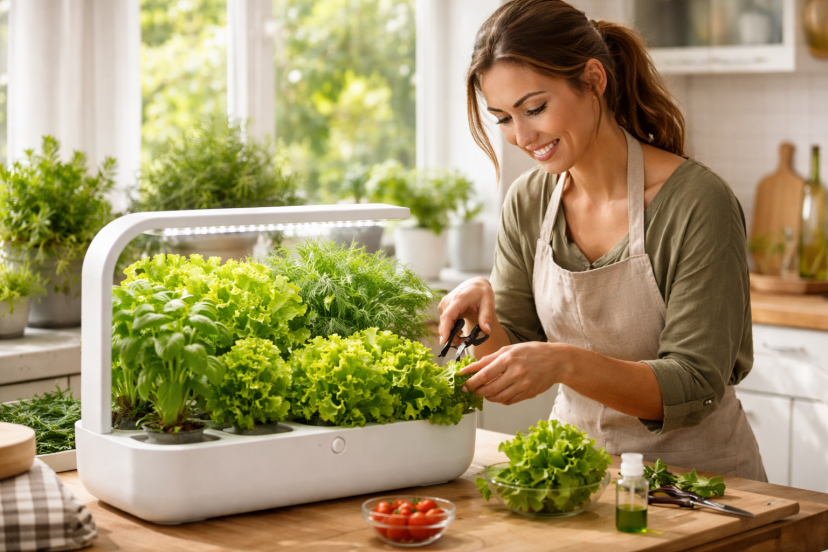
If you want something simple that just works, the AeroGarden Harvest is a great starting point. It holds six plants and fits neatly on a kitchen counter. The built-in LED light adjusts as your plants grow, and the control panel reminds you when to add water or nutrients. You don’t have to guess. Just plug it in, drop in the pods, and watch your herbs take off.
Best for: Small spaces and first-time growers.
2. iDOO 12-Pod Hydroponics Growing System
Need more growing space without more complexity? The iDOO 12-pod system gives you room for a bigger variety—think basil, lettuce, mint, and spinach all at once. The adjustable light grows with your plants, and the water pump runs quietly in the background. It’s still beginner-friendly, just with more capacity.
Best for: Growing more at one time.
3. Click & Grow Smart Garden 3
This one is perfect if you don’t want to think about nutrients or measurements. Click & Grow uses pre-seeded pods and an automatic watering system. You basically refill the water tank when needed and let it do its thing. It’s clean, minimal, and extremely low maintenance.
Best for: Set-it-and-forget-it simplicity.
4. LetPot LPH-SE Hydroponics System
If you like a little tech with your gardening, the LetPot system adds smart control. You can adjust lighting schedules from your phone and monitor growth more closely. It still works like a beginner kit, but it feels more customizable. Think of it as hydroponics with training wheels—and a dashboard.
Best for: Tech-savvy beginners.
5. VIVOSUN Deep Water Culture Kit
Ready to move beyond countertop herbs? The VIVOSUN DWC kit gives roots more room and more oxygen thanks to its air pump system. That means stronger growth and support for slightly larger plants. It’s a great bridge between beginner kits and more advanced hydroponic setups.
Best for: Bigger plants and skill progression.
Hydroponics Uses Far Less Water Than Soil
A comprehensive review titled Hydroponics: A Review of Sustainability and Productivity examined how soilless systems compare to traditional farming. The researchers found that hydroponic systems can reduce water use by up to 90% compared to conventional soil-based agriculture.
That’s not a small difference.
Because water recirculates inside the system instead of soaking into the ground or evaporating, very little gets wasted. As a result, plants receive consistent hydration without excessive runoff.
For home growers, this means you can produce fresh herbs and greens while using dramatically less water.
Beyond water savings, the review also noted faster plant growth. Since nutrients are delivered directly to the roots, plants don’t spend energy searching for them. Instead, they grow more efficiently and consistently.
Hydroponic Systems Improve Nutrient Efficiency
Another in-depth review, Comparing Resource Use Efficiencies in Hydroponic and Aeroponic Production Systems, compared different soilless growing methods and measured how efficiently they use water and fertilizer.
The findings were clear.
Hydroponic systems reduced water use by more than 90% in some cases. Moreover, fertilizer use dropped by as much as 60% due to precise nutrient delivery.
In soil gardening, nutrients often leach away or disperse unevenly. In hydroponic systems, however, nutrients stay in solution and reach the roots directly. That precision reduces waste and improves overall plant performance.
Common Mistakes Beginners Should Avoid
Even though hydroponic kits simplify growing, mistakes still happen.
First, avoid overfilling the reservoir. Roots need oxygen, not just water.
Second, monitor pH levels. Most leafy greens thrive between 5.5 and 6.5 pH.
Third, clean your system regularly. Nutrient buildup can cause algae growth.
Finally, don’t overcrowd plants. More pods don’t always mean better yields if airflow becomes restricted.
Is Hydroponics Worth It?
If you enjoy fresh basil, lettuce, or spinach year-round, hydroponic kits pay for themselves over time.
You save grocery trips. You control what goes into your food. And you experience the satisfaction of harvesting something you grew yourself.
Moreover, hydroponics transforms small spaces. Apartment dwellers, students, and urban homeowners can all grow produce indoors.
Once you harvest your first batch, it’s hard to go back.
Conclusion
Hydroponic kits remove the guesswork from indoor gardening. They simplify lighting, watering, and nutrients into one easy system. If you’re just getting started with hydroponics, begin with something simple and manageable. Choose a system that fits your space. Follow basic maintenance guidelines. Then enjoy watching your plants grow faster than you expected. You may be surprised how quickly you’ll be harvesting your own fresh greens. Start today!
FAQs
1. Are hydroponic kits difficult to set up?
No. Most beginner kits assemble in under 15 minutes and include clear instructions.
2. What can I grow in hydroponic kits?
Herbs, lettuce, spinach, strawberries, and even small tomatoes grow well in starter systems.
3. How frequently should the water be replaced?
Typically every two to three weeks, depending on plant growth and nutrient levels.
4. Do hydroponic kits consume a significant amount of electricity?
No. Most LED grow lights consume minimal energy compared to traditional lighting.
5. Are hydroponic vegetables healthy?
Yes. Nutrient levels are controlled precisely, and many studies confirm comparable or higher nutritional content.