Aquaponic vs Hydroponic Gardening – What Is The Difference?
We may earn a commission for purchases made using our links. Please see our disclosure for more details.
Understanding the difference between aquaponic vs hydroponic gardening is essential if you want to choose the right soilless growing system for your home or indoor setup. Both methods eliminate the need for soil, use water efficiently, and support year-round food production, but they operate in very different ways. Hydroponics relies on a controlled nutrient solution to feed plants, while aquaponics uses fish and beneficial bacteria to create a natural nutrient cycle. Knowing how each system works—and what you gain or trade off with either option—helps you decide which approach aligns with your goals, space, and experience level.
What Is Hydroponic Gardening?
How Hydroponics Works
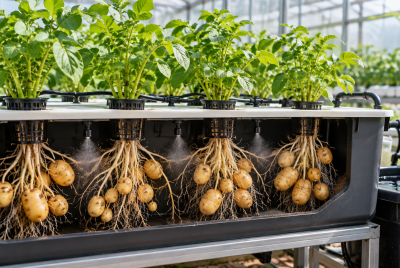
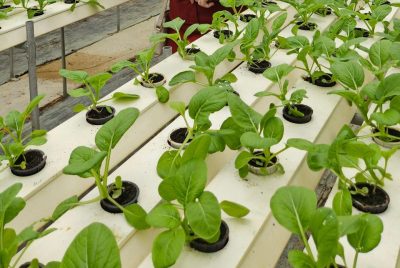
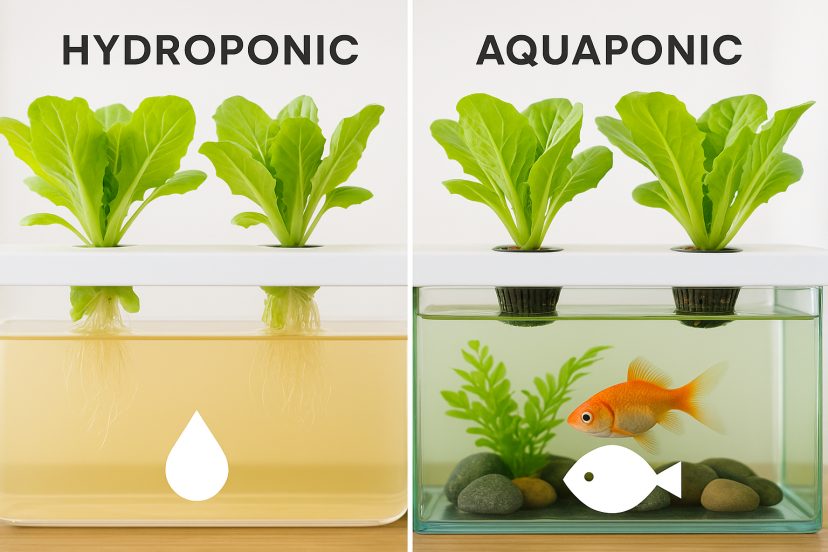
Hydroponic gardening is soil-free. Rather than soil, the roots of the plant receive a water solution containing the precise nutrients they require. A nutrient solution circulates around the roots of plants that are usually held with a growing medium (such as rockwool or coco coir). With the right oxygen, pH, and nutrient concentrations, the plants take up what they need directly — efficiently, and quickly.

Pros of Hydroponics
- Faster growth rates. Because nutrients are immediately available, plants don’t struggle to “find” what they need.
- Clean and contained. No messy soil indoors, fewer pests, and easier cleanup.
- Water efficiency. Recirculating systems reuse water, using far less than traditional soil gardening.
- Space-saving. Hydroponic towers, countertop gardens, and small indoor setups fit small spaces easily.
Cons of Hydroponics
- Power reliance. Pumps and lights need electricity. A blackout can disrupt the system.
- Ongoing nutrient purchase. You need to supply and monitor nutrient solutions regularly.
- Monitoring needed. pH, EC, water level, and oxygen need regular checking to avoid nutrient imbalance or root issues.
What Is Aquaponic Gardening?
How Aquaponics Works
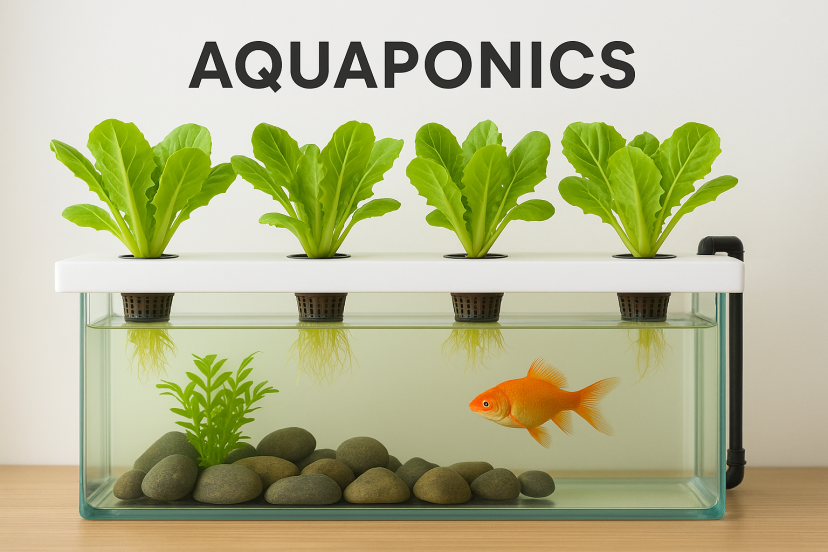
Aquaponics merges aquaculture (raising fish) with hydroponics. Fish live in a tank and produce waste. Helpful bacteria break down the fish waste and turn it into usable nutrients for the plants. As the plants absorb those nutrients, they naturally purify the water before it cycles back to the fish tank. It’s a self-supporting, recycling loop where plants and fish support each other.
Pros of Aquaponics
- Two-for-one yield. You get both fresh vegetables (or herbs) and fish harvest.
- Organic nutrient cycle. No synthetic fertilizers — the system uses fish waste turned into plant food.
- Very water-efficient. Compared to soil gardens, aquaponics uses far less water, thanks to recirculation.
- Eco-friendly and sustainable. It reduces waste and mimics a natural ecosystem.
Cons of Aquaponics
- Higher startup cost. Tanks, filters, plumbing and fish care add complexity.
- Biological variability. Fish health and bacterial balance influence the system — more living variables to manage.
- Longer setup time. It takes weeks for bacteria colonies to stabilize before you can start planting.
Aquaponic vs Hydroponic: Key Differences Explained
When comparing aquaponic vs hydroponic systems, several practical differences stand out in cost, maintenance, and long-term efficiency.
Cost and Setup
- Hydroponics tends to be more budget-friendly and simpler to set up (basic kits or DIY systems cost less).
- Aquaponics requires more upfront investment — fish tanks, filters, and additional equipment for fish care.
Maintenance Level
- Hydroponics needs regular nutrient mixing, pH checks, and water circulation maintenance.
- Aquaponics demands attention to both fish well-being and plant needs, but once the ecosystem stabilizes, maintenance becomes more balanced.
Environmental Impact
- Aquaponics offers a more sustainable, closed-loop ecosystem — less nutrient runoff, less waste, and organic nutrient cycling.
- Hydroponics is efficient in water and space use, but still depends on synthetic nutrients and external inputs.
Yield and Plant Growth
- Hydroponics generally promotes faster plant growth, because nutrients are immediately available and precisely controlled.
- Aquaponics may deliver slower—but sometimes steadier—growth, with the added benefit of producing fish and often more natural nutrient profiles.
How Recent Tech & Light Environment Affect Results
Recently, growers testing both systems under modern conditions found some interesting twists. A comparative IoT study on hydroponic and aquaponic systems showed that hydroponics benefits strongly from automated monitoring. Sensors tracking pH, water flow, and nutrient levels made hydroponic setups more stable and less labor-intensive, while aquaponic systems — though improved by automation — still required human attention because fish behaviour can’t be fully automated.
At the same time, a study comparing crop growth in hydroponics vs aquaponics under varied light inputs revealed that hydroponic plants respond quickly to strong LED lighting, maximizing growth. In contrast, aquaponic crops displayed steadier, more resilient growth across different light conditions, and sometimes ended with slightly higher micronutrient levels — likely thanks to the rich, fish-derived nutrient mix.
These findings suggest that if you crave precision and speed (especially with controlled lighting and automation), hydroponics may suit you best. But if you’re after resilience, sustainability, and natural nutrient dynamics — aquaponics clearly has strengths worth considering.

Recommended Starter Kits and Tools
Here are some beginner-friendly kits and tools you can consider if you’re ready to start either hydroponic or aquaponic gardening:
- AeroGarden Harvest Indoor Hydroponic Garden Kit — Great for herbs and leafy greens; compact and beginner-friendly, perfect for small apartments.
- AeroGarden Harvest Elite 6‑Pod Hydroponic System — A step-up option with more capacity, ideal if you want a larger yield and plan to grow multiple herbs/greens at once.
- Back to the Roots Aquaponic/ Microgreens Starter Kit — A good intro to aquaponics or microgreens growing; simple setup and manageable for first-timers.
- Hydrofarm Active Aqua Air Pump — Useful in both hydroponic and aquaponic systems to maintain proper oxygen levels for roots or aquatic life.
- General Hydroponics pH Control Test Kit — Essential for monitoring and maintaining nutrient balance, especially in hydroponic systems where precision matters.
Choosing the right starter kit can make the difference between a frustrating first try and a smooth, rewarding growing experience.
Which System Is Best for You?
Your choice between aquaponic vs hydroponic setups ultimately depends on whether you prioritize speed, sustainability, or ease of control.
- Choose hydroponics if you want fast growth, control, and minimal biological variables — especially if you plan to use LED lights and automation.
- Choose aquaponics if you prefer sustainability, ecosystem-style gardening, and dual yields (plants + fish) — and don’t mind the extra responsibility.
Both systems let you grow fresh produce even without a garden plot. The best one is the one that matches your lifestyle, space, and dedication.
Conclusion
Hydroponics offers speed, control, and convenience, while aquaponics brings sustainability and the satisfaction of a living, balanced ecosystem. Both systems can produce abundant, healthy crops — the best choice depends on your goals, space, and how hands-on you want to be. If you’re leaning toward a simpler, faster way to grow greens, starting with hydroponic pods can help you learn the basics with minimal hassle.
FAQs
1. Which system is easier for beginners?
Hydroponics tends to be easier for beginners because it requires fewer components and less biological management.
2. Does aquaponics grow healthier plants?
Some evidence suggests aquaponic plants may contain more micronutrients, thanks to natural fish-derived nutrients and slower, more balanced growth.
3. Which system is cheaper to maintain long-term?
Hydroponics generally involves ongoing costs for nutrient solutions; aquaponics requires fish food and occasional maintenance, but may reduce or eliminate synthetic nutrient purchases.
4. Can both systems grow the same variety of plants?
Yes — leafy greens, herbs, and even many fruiting plants (like tomatoes or peppers) can thrive in both hydroponic and aquaponic setups, depending on how well the system is managed.
5. Which system is better for small indoor spaces?
Hydroponics often fits small or indoor spaces more easily, especially with compact kit systems or vertical setups — though small-scale aquaponic kits can work too.