The Best Hydroponic Water Pump for Any Setup
We may earn a commission for purchases made using our links. Please see our disclosure for more details.
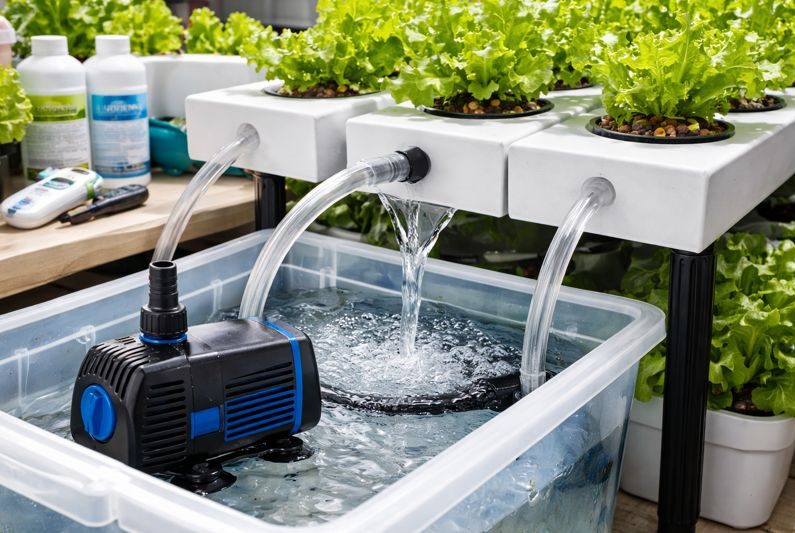
Choosing the right hydroponic water pump is one of the most important decisions you’ll make when setting up a system. The pump controls how well nutrients circulate, how much oxygen reaches the roots, and how consistently your plants receive what they need to grow. A reliable pump keeps your entire setup running smoothly, while the wrong one can lead to weak growth, clogged lines, or uneven nutrient delivery. This guide breaks down what to look for and highlights seven dependable pumps that work for different hydroponic styles and system sizes.
Why Water Circulation Matters in Hydroponics
When you look at hydroponics from the outside, it seems simple: move water, add nutrients, grow plants. But once you dig deeper, the real magic comes from how that water moves. Good circulation keeps nutrients consistent, oxygen levels balanced, and roots thriving. And yes—the science backs this up.
One study published in Agriculture (MDPI) explored how different levels of aeration affect plant growth in hydroponic systems. What stood out was how plants responded to dissolved oxygen. As aeration increased, roots grew stronger and nutrient uptake improved—up to a point. After reaching an optimal oxygen level, extra aeration didn’t add any benefits and even slowed growth at the very highest levels.
This finding aligns with what many growers experience firsthand: your pump doesn’t need to create a mini–river rapid. It just needs to keep the nutrient solution moving in a way that keeps roots comfortably oxygenated without overwhelming them.
Another comprehensive review published through the National Institutes of Health takes this a step further. It highlights how consistent nutrient flow in hydroponic systems leads to faster growth, improved metabolism, and stronger overall plant health—largely because the root zone stays stable and well-oxygenated.
The review also points out that predictable circulation prevents the nutrient swings that often stress plants in soil-based growing. When water and oxygen are continuously available, plants shift their energy toward growth instead of recovery.
The science confirms what experienced growers already know—your water pump plays a huge role in plant performance. A reliable hydroponic water pump doesn’t just keep things moving; it creates the stable environment roots need to thrive.
How to Choose the Right Hydroponic Water Pump
Before we jump into the list, here’s what matters when picking your pump:
1. GPH (Gallons Per Hour)
This number shows the volume of water the pump can move within an hour.
A good rule of thumb:
- Deep Water Culture (DWC): Moderate flow
- NFT & Drip Systems: Higher flow
- Ebb & Flow: Stronger pump needed to flood trays efficiently
2. Head Height
This indicates the maximum height the pump can push water upward.
If you have multi-level systems or tall reservoirs, choose a pump with a high max head height.
3. Energy Efficiency
Pumps run for hours or even continuously, so lower wattage keeps electricity costs down.
4. Noise Level
Quiet pumps make indoor hydroponics far more pleasant.
5. Durability
Look for pumps with ceramic shafts or magnetic drives, as these handle mineral exposure better.
If you’re planning to grow fast-growing greens like lettuce, consistent circulation becomes even more important. Proper flow helps prevent nutrient pockets and keeps oxygen levels stable. You can learn more about setting up an ideal leafy green system in this guide on growing hydroponic lettuce.
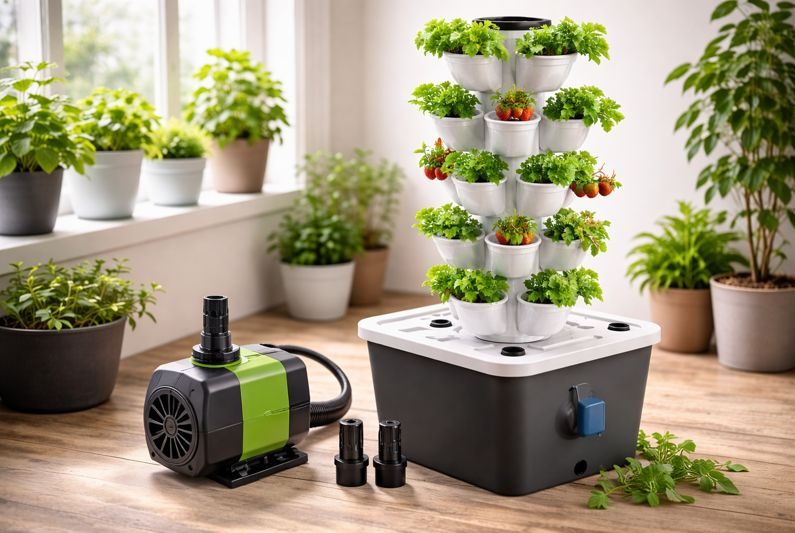
7 Best Hydroponic Water Pumps
Below are seven pumps widely used by hydroponic growers. Each one is chosen for reliability, ease of use, and strong long-term performance.
1. Vivosun 800 GPH Submersible Pump
This pump is a favorite for medium and large hydroponic systems because it offers strong flow without using too much power. Its adjustable dial lets you fine-tune water flow, making it versatile for DWC, NFT, and drip setups.
Why growers love it:
- High flow for multiple buckets or trays
- Quiet motor
- Long-lasting ceramic shaft
- Easy to clean and maintain
Ideal for: Recirculating systems, multi-bucket farms, small greenhouses.
2. Hydrofarm 550 GPH Pump
Hydrofarm has a solid reputation in hydroponics, and this pump shows why. It’s dependable, energy-efficient, and designed specifically for nutrient-rich environments.
Key advantages:
- Great balance of power and efficiency
- Designed for continuous use
- Works both submersed and inline
Ideal for: DWC, NFT channels, ebb & flow systems.
3. EcoPlus 728310 396 GPH Pump
This pump delivers strong, consistent water flow and is known for its durability. Many growers choose it because it handles minerals and nutrient buildup better than some cheaper options.
What stands out:
- Robust construction
- Good head height
- Long-term reliability
Ideal for: Growers who need a pump that can run nonstop for months.
4. Simple Deluxe 1056 GPH Pump
If you need serious power—maybe for a large ebb & flow table or a multi-tiered NFT garden—this heavy-duty pump delivers. Despite its strength, it stays surprisingly quiet.
Why it’s worth considering:
- High output for big systems
- Excellent maximum head height
- Strong copper-wound motor
Ideal for: Large hydroponic racks or flood-and-drain operations.
5. AQUANEAT 80 GPH Mini Pump
Small system? No problem. For tiny DWC setups, countertop hydroponics, or DIY projects, this compact pump is enough to keep nutrient solution moving.
Best features:
- Ultra-quiet
- Very low energy usage
- Perfect for beginners
Ideal for: Herb gardens, small lettuce systems, experimental setups.
6. GROWNEER 550 GPH Submersible Pump
This pump offers reliable performance for medium-sized hydroponic systems. It’s designed for continuous use, making it a practical choice for growers who want dependable circulation without overspending.
Why it’s highly rated:
- Built for continuous operation
- Adjustable flow with multiple nozzle heads
- Quiet, energy-efficient motor
- Strong suction cups for stable placement
Ideal for: Medium DWC, NFT, or small ebb & flow systems where consistent, smooth circulation is essential.
7. Jebao DCP Sine Wave Pump (Adjustable)
This pump stands out for one major reason: efficiency. Thanks to its sine-wave technology, it uses far less electricity while still offering strong, adjustable flow.
What makes it unique:
- Very quiet operation
- Digital controller for precise tuning
- Energy-efficient motor
Ideal for: Indoor growers who want reliable performance with lower electricity costs.
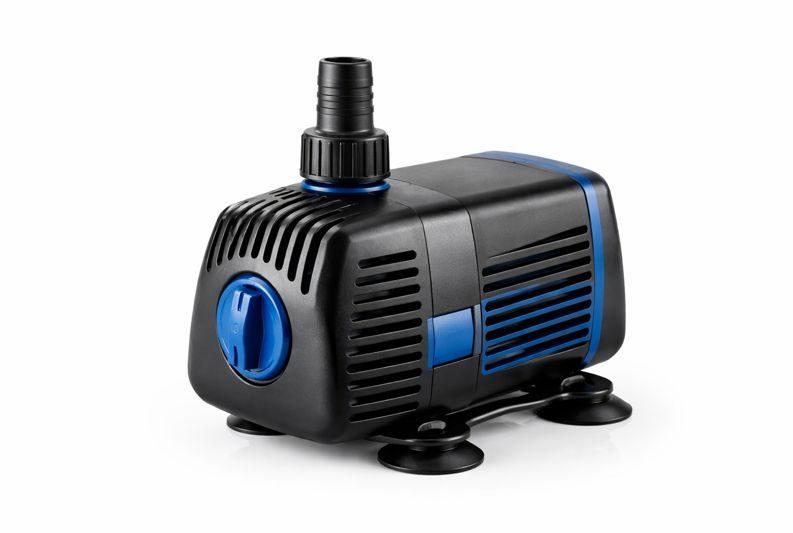
Hydroponic Water Pump Comparison Table
| Product | Flow Rate (GPH) | Best For | Key Features |
| Vivosun 800 GPH Submersible Pump | 800 GPH | Medium–large systems | Adjustable flow, quiet motor, ceramic shaft |
| Hydrofarm 550 GPH Pump | 550 GPH | DWC, NFT, ebb & flow | Energy-efficient, submersible or inline use |
| EcoPlus 396 GPH Pump (728310) | 396 GPH | General hydroponics | Durable housing, solid head height |
| Simple Deluxe 1056 GPH Pump | 1056 GPH | Large grow tables & multi-tier setups | High output, strong head height, quiet operation |
| AQUANEAT 80 GPH Mini Pump | 80 GPH | Small DWC and countertop systems | Ultra-quiet, low energy usage |
| GROWNEER 550 GPH Submersible Pump | 550 GPH | Medium-sized DWC or NFT systems | Adjustable nozzle, quiet motor, stable suction cups |
| Jebao DCP Sine Wave Pump | Adjustable | Indoor hydroponics | Digital controller, ultra-efficient, very quiet |
Conclusion
Choosing the right hydroponic water pump comes down to matching your system’s size, flow needs, and reliability expectations. A good pump keeps nutrients moving, maintains oxygen levels, and supports steady, healthy plant growth. Each pump on this list offers dependable performance, but the best choice depends on how your setup operates. Start with the system you have, choose a pump that fits its demands, and upgrade as your hydroponic garden expands. With the right pump in place, your plants get the consistent environment they need to thrive.
FAQs
1. What size hydroponic water pump do I need?
Choose a pump with a GPH rating that circulates your entire reservoir volume at least 4–6 times per hour.
2. Can I use any aquarium pump for hydroponics?
Some aquarium pumps work, but hydroponic pumps are built for nutrient-heavy water and long operating hours.
3. How many hours a day should my hydroponic pump operate?
DWC systems usually run 24/7. Ebb & Flow setups run in cycles. NFT systems run continuously with short breaks.
4. What happens if the pump is too strong?
Excessive flow can disturb roots or flood channels. If in doubt, choose a pump with an adjustable dial.
5. How frequently do I need to clean my water pump?
Every 2–4 weeks, depending on nutrient buildup and system size.