How To Prevent Hydroponic Root Rot
We may earn a commission for purchases made using our links. Please see our disclosure for more details.
Hydroponic root rot is one of the most common problems growers face, and it can spread quickly if conditions are not controlled. Warm water, low oxygen, and poor system hygiene often create the perfect environment for disease. The good news is that root rot is highly preventable. With proper temperature management, strong aeration, and regular maintenance, you can protect your plants and keep your hydroponic system running smoothly from start to harvest.
What Is Hydroponic Root Rot?
Hydroponic root rot is a plant disease caused by harmful microorganisms that attack roots in wet environments. The most common culprit is a pathogen called Pythium, which spreads quickly in warm, low-oxygen water.
Healthy roots look:
- White or cream-colored
- Firm and crisp
- Slightly fuzzy with root hairs
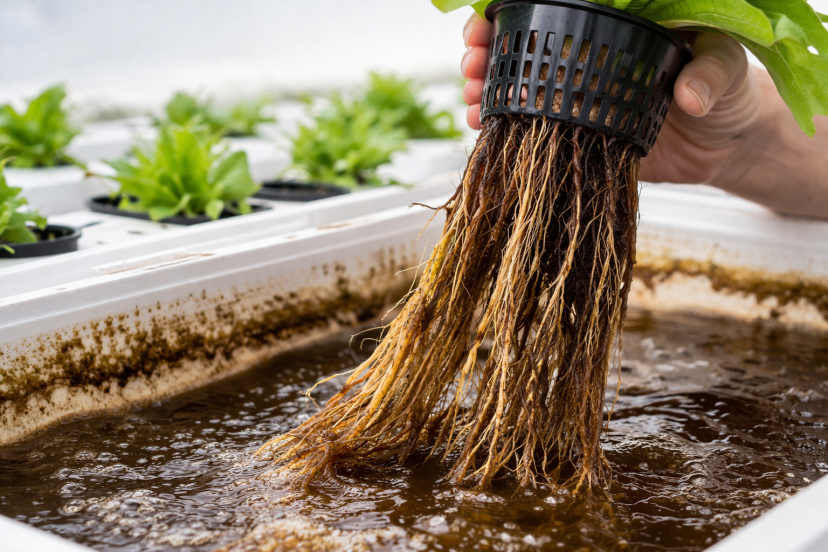
In contrast, infected roots become:
- Brown or gray
- Slimy or mushy
- Foul-smelling
Once root rot starts, plants struggle to absorb water and nutrients. Growth slows. Leaves turn yellow. Eventually, plants collapse.
Stopping problems before they start is far simpler than trying to fix them later. That’s why understanding the root causes is the first step toward protecting your hydroponic garden.
Why Root Rot Happens in Hydroponic Systems
Root rot rarely appears without warning. Instead, it develops when environmental conditions allow harmful microbes to multiply.
Here are the most common triggers:
Warm water – Pathogens thrive in temperatures above 72°F (22°C).
Low oxygen levels – Roots need oxygen to survive. Without it, they weaken quickly.
Dirty equipment – Algae, debris, and bacteria create breeding grounds for disease.
Poor water circulation – Still water creates ideal conditions for harmful microbes to multiply.
Overcrowded plants – Dense roots block airflow and reduce oxygen availability.
Even experienced growers run into these issues occasionally. Fortunately, once you recognize the risks, prevention becomes straightforward.
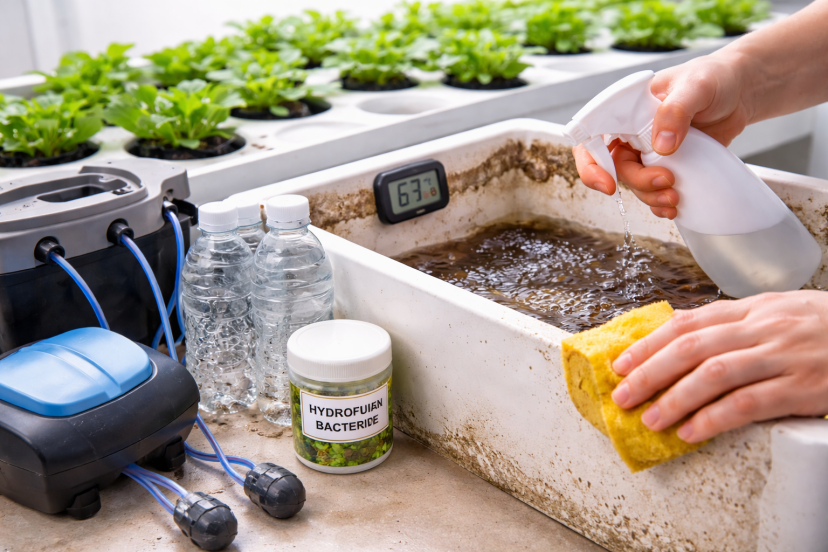
How To Prevent Hydroponic Root Rot Step by Step
Preventing root rot is not complicated, but it does require a consistent routine. When you break it down into simple steps, it becomes much easier to manage.
Step 1: Keep the Water Temperature in the Right Range
Start by checking your reservoir temperature. This is one of the most important parts of root rot prevention. The ideal range is 65–70°F (18–21°C). Cooler water holds more oxygen and makes it harder for pathogens to thrive.
To keep temperatures under control, you can use a water chiller, add frozen water bottles, keep the reservoir shaded, or improve airflow around the system.
Step 2: Increase Oxygen Levels
Next, make sure your roots are getting enough oxygen. In hydroponics, oxygen is essential for healthy root growth. When oxygen levels drop, roots become stressed and more vulnerable to disease.
You can improve oxygen levels by installing air stones, using a reliable air pump, keeping water moving, and avoiding overcrowded roots.
Step 3: Clean the Entire System Regularly
After that, focus on cleanliness. A dirty system gives harmful microbes more opportunities to spread. Regular cleaning helps keep the root zone healthier and lowers the risk of infection.
Pay close attention to the reservoir, tubing, pumps, grow trays, and filters. Between growing cycles, use a mild disinfectant or hydrogen peroxide solution to clean the system thoroughly.
Step 4: Check Nutrient Balance
You should also monitor your nutrient solution regularly. When nutrient levels are off, plants become stressed, and stressed plants are more likely to develop root problems.
Check your pH, EC, and overall nutrient concentration to make sure conditions stay stable.
Step 5: Improve Water Flow
Finally, make sure water is circulating properly. Good flow helps distribute oxygen, keeps nutrients mixed evenly, and prevents still areas where harmful microbes can build up.
Even a small pump upgrade can make a noticeable difference if your system has poor circulation.
When you stay consistent with these five steps, you greatly reduce the chances of Hydroponic Root Rot and create a healthier environment for your plants.
Early Warning Signs You Should Never Ignore
Catching Hydroponic Root Rot early can save your plants.
Watch for these symptoms:
- Drooping leaves despite adequate water
- Yellowing foliage
- Slow growth
- Brown or slimy roots
- Sour or rotten smell from the reservoir
Another subtle clue is reduced nutrient uptake. Plants may look pale even when nutrient levels are correct.
Whenever you notice unusual changes, inspect the roots immediately. Quick action often prevents serious damage.
Why Oxygen and Temperature Control Matter for Preventing Root Rot
If there’s one lesson most growers learn the hard way, it’s this: roots do best in cool, oxygen-rich water. When those conditions slip—even slightly—problems can start fast. That’s why managing oxygen and temperature is one of the simplest ways to stay ahead of Hydroponic Root Rot.
A well-known review on Pythium root rot in hydroponic crops found that stressed plants were much more likely to develop root disease. Warm water and low oxygen levels were the biggest triggers. In many cases, infection started quietly before growers noticed anything was wrong. That’s a good reminder to focus on prevention, not just treatment.
Another study on dissolved oxygen levels in hydroponic tomato production reached a similar conclusion. When oxygen levels dropped, roots struggled and disease risk increased. But when oxygen stayed steady, plants grew stronger and handled stress much better.
So the takeaway is pretty straightforward. Keep your water cool. Keep it moving. And make sure your roots get plenty of oxygen. Those small habits go a long way toward preventing problems and keeping your hydroponic system running smoothly.
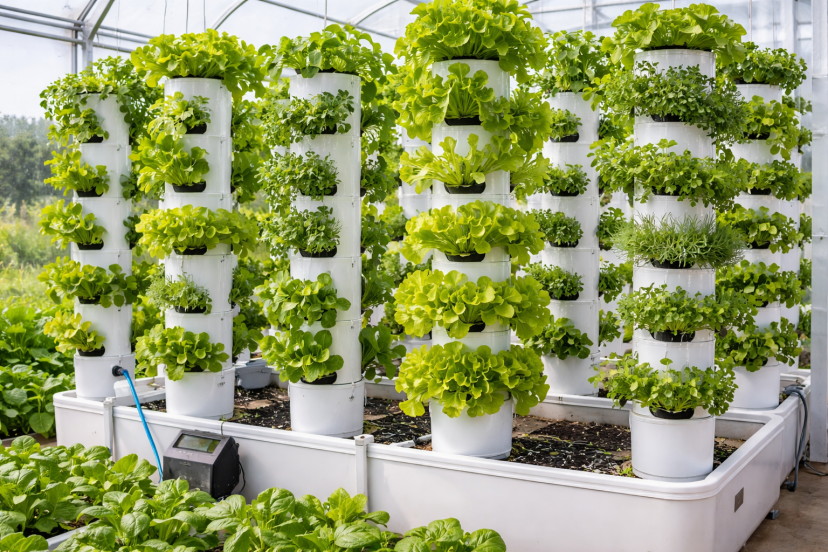
Choosing the Right System Design for Root Health
System design plays a major role in preventing Hydroponic Root Rot. Some setups naturally promote airflow and water movement.
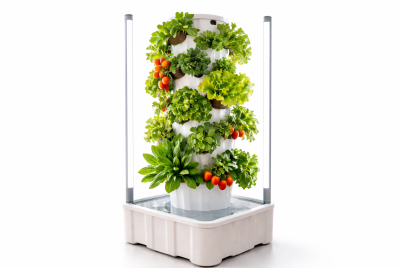
For example, growers using a vertical hydroponic system often experience fewer root issues because water circulates continuously and roots receive consistent oxygen exposure.
Better system design reduces maintenance and lowers disease risk over time.
Recommended Products
These tools make prevention easier and more reliable.
1. Hydroguard Beneficial Bacteria– Supports root health and protects against harmful microbes.
2. VIVOSUN Air Pump with Air Stone Kit– Boosts oxygen levels in reservoirs quickly.
3. Inkbird Temperature Controller– Maintains consistent water temperature automatically.
4. Active Aqua Submersible Pump– Improves circulation and prevents stagnant water.
5. Hygger Aquarium Water Chiller– Keeps reservoirs cool in warm environments.
Many growers consider these tools essential once their systems expand.
Conclusion
Preventing Hydroponic Root Rot comes down to staying consistent with the basics. Keep your water cool, your system clean, and your roots well oxygenated. Check your plants regularly and address small issues before they grow into bigger problems. With simple routines and the right setup, you can protect your crops, improve growth, and keep your hydroponic garden healthy season after season.
FAQs
1. What causes Hydroponic Root Rot most often?
Warm water and low oxygen levels are the leading causes.
2. Can plants recover from root rot?
Yes, if detected early and treated quickly.
3. What temperature prevents root rot?
Water between 65–70°F (18–21°C) works best.
4. How frequently should a hydroponic system be cleaned?
Clean equipment between growing cycles and inspect weekly.
5. Do air pumps help prevent root rot?
Yes. Increased oxygen significantly reduces disease risk.