10 Tips For Growing Hydroponic Lettuce
We may earn a commission for purchases made using our links. Please see our disclosure for more details.
Growing hydroponic lettuce is one of the easiest and most rewarding ways to get crisp, fresh greens without dealing with soil. Whether you’re experimenting with your first setup or you’ve been growing for years, small tweaks can make a huge difference. And because hydroponic lettuce grows fast and reacts quickly to its environment, mastering the basics pays off almost immediately.
Let’s walk through ten practical tips that can help you grow healthier, fuller, and more flavorful lettuce at home.
Tip #1: Choose the Right Lettuce Variety
Some lettuces simply thrive in hydroponic environments. Loose-leaf types, butterheads, and Romaine tend to adapt well because they grow quickly and don’t require deep root systems. Popular picks include:
- Buttercrunch
- Green leaf
- Red leaf
- Little Gem Romaine
These varieties stay compact, mature fast, and produce the soft, crisp texture hydroponic growers love. Starting with the right variety sets your entire system up for success.
Tip #2: Start Strong with Healthy Seeds
Hydroponic lettuce responds best when it begins with a strong germination stage. Use high-quality seeds, keep humidity controlled, and ensure your growing medium remains damp—but not soaked.
Rockwool cubes, rapid rooters, and coco plugs all work well. Once the seedlings show two to three true leaves, they’re ready for your main system. Healthy seedlings transition smoothly and establish roots faster, which helps them grow denser leaves.
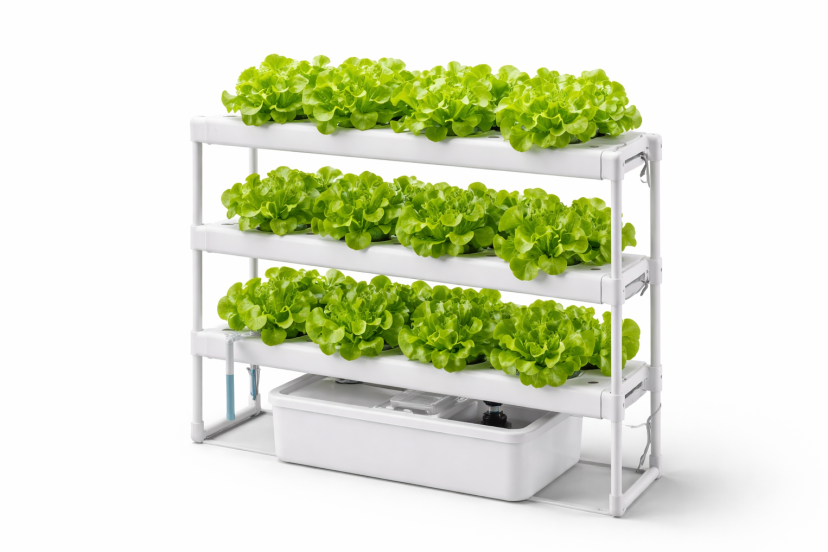
Tip #3: Use a Reliable Hydroponic System
Not all systems handle lettuce the same way. Lettuce prefers shallow water exposure, oxygen-rich conditions, and stable nutrient flow. Popular options include:
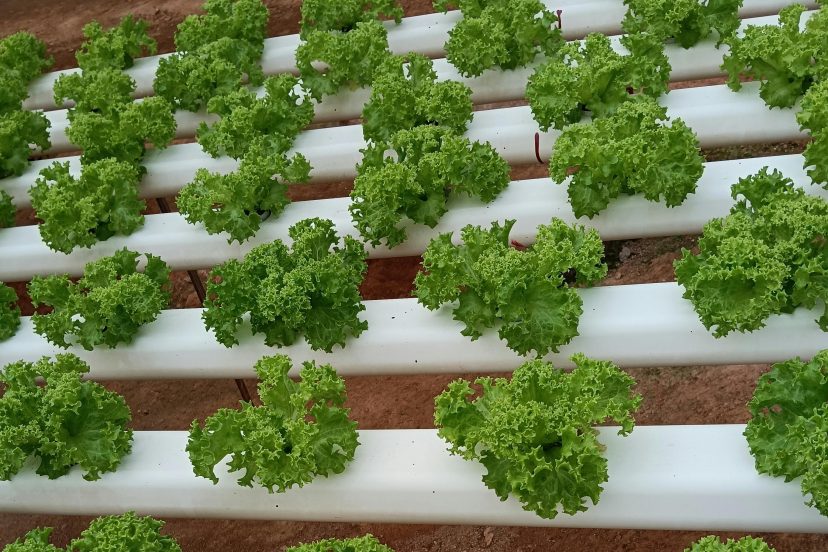
- NFT (Nutrient Film Technique)
- Deep Water Culture
- Kratky (passive method)
- Aeroponics
If you’re comparing setups or still deciding, browse this guide to the best hydroponic system options.
A well-designed system gives your lettuce everything it needs—consistent moisture, nutrients, airflow, and support.
Tip #4: Maintain the Ideal Water Temperature
Lettuce roots prefer cooler water, ideally between 65°F and 70°F (18°C–21°C). Warm water reduces oxygen levels, slows growth, and increases the risk of pathogens.
If your room runs warm, you can:
- Increase airflow
- Use frozen water bottles inside reservoir areas
- Add reflective insulation to buckets or tanks
Cooler water keeps the roots active and encourages steady nutrient intake.
Tip #5: Keep Your Nutrient Levels Consistent
Hydroponic lettuce doesn’t need heavy feeding. However, it does require consistency. Aim for:
- EC: 0.8–1.2
- pH: 5.5–6.2
A study published in Horticulturae found that lettuce grown in nutrient-controlled hydroponic systems had higher chlorophyll levels and improved growth compared to soil-grown plants. Another paper in Agronomy noted that maintaining a stable nutrient concentration directly impacts leaf size and density.
Daily monitoring helps you catch problems early—and prevent nutrient burn or deficiencies.
Tip #6: Give Your Plants the Right Amount of Light
Lettuce doesn’t need intense lighting, but it does require consistency. Aim for:
- 12–16 hours of light per day
- Moderate PPFD (100–250 µmol/m²/s)
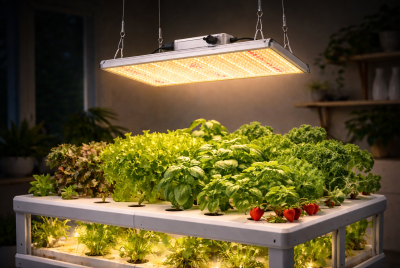
LED grow lights work best because they stay cool and use less power. Fluorescent tubes can work as well for beginners.
Keep the lights close enough for healthy growth but far enough to avoid stress. If the leaves look pale or overly compact, adjust the distance.
Tip #7: Ensure Proper Airflow and Spacing
Hydroponic lettuce grows fast, and overcrowding can lead to mold, mildew, or leaf burn. Space your plants according to variety size:
- Loose leaf: 6–8 inches
- Romaine: 8–10 inches
- Butterhead: 8–12 inches
A small fan running on low creates gentle movement, reduces moisture buildup, and strengthens the plant structure.
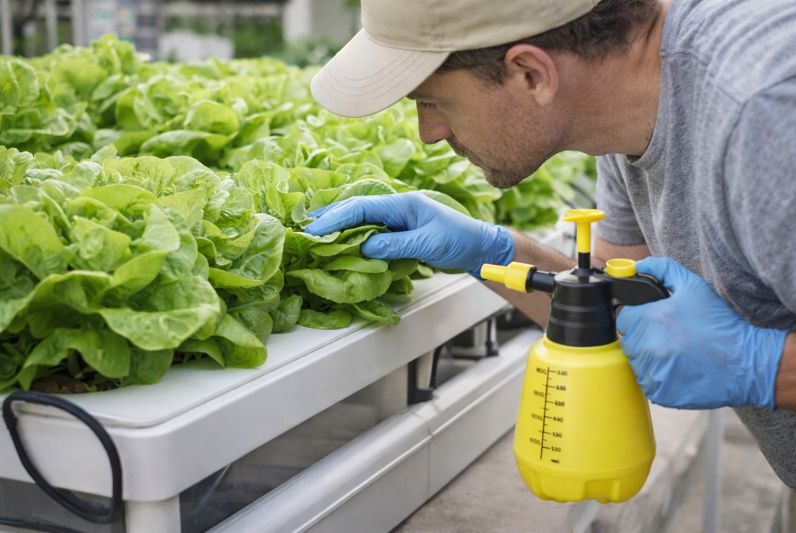
Tip #8: Protect Your Plants from Pests and Disease
Even indoor hydroponic systems can attract pests. The most common culprits include:
- Aphids
- Fungus gnats
- Thrips
Use sticky traps, keep your grow area clean, and check leaves regularly. Sterilize your tools and avoid overwatering, which invites root rot.
A proactive routine keeps your greens healthy without harsh chemicals.
Tip #9: Monitor Growth Daily and Adjust as Needed
Hydroponic lettuce changes fast. A small issue today can turn into a bigger problem within 48 hours. Check daily for:
- Leaf color
- Root condition
- Water levels
- Nutrient clarity
- Light placement
These small check-ins help your plants stay on track and allow you to adjust before anything impacts growth.
Tip #10: Harvest at the Perfect Time
Most hydroponic lettuce varieties are ready within 4–6 weeks. Harvesting earlier gives you tender leaves, while waiting longer results in larger heads.
For leaf varieties, harvest outer leaves first. For full heads, cut the plant at the base with clean scissors. Rinse gently, dry thoroughly, and refrigerate.
Eating lettuce within minutes of harvest is one of the best rewards of hydroponic gardening.
Recommended Products
Here are a few tools that make growing hydroponic lettuce easier and more efficient:
- AeroGarden Harvest Indoor Garden
A compact system perfect for beginners learning to grow leafy greens. - General Hydroponics Flora Series Nutrient Set
Reliable nutrients that support steady growth and balanced leaf development. - VIVOSUN Full Spectrum LED Grow Light
Energy-efficient lighting ideal for supporting lettuce throughout its growth cycle. - Rockwool Starter Cubes
A great option for quick seed germination and reliable early growth. - pH Control Kit
Helps you maintain precise pH levels for healthier root systems.
Why Hydroponic Lettuce Thrives Under the Right Conditions
Hydroponic lettuce tends to perform at its best when the growing environment stays steady, and recent studies help illustrate why growers see such reliable results.
A study published in Agronomy found that rooftop hydroponic setups produced larger and denser lettuce heads, in some cases nearly doubling the weight of typical market lettuce. The researchers credited this to consistent nutrient delivery and predictable sunlight, two factors that keep growth moving without interruptions.
Another review from Frontiers in Plant Science compared several popular hydroponic systems and showed that each one influences growth differently, with substrate-based setups standing out when paired with organic liquid fertilizers.
These studies reinforce that when lettuce gets stable nutrients, the right amount of light, and a system that matches your feeding style, it rewards you with fast, healthy growth and consistently tender leaves.
Conclusion
Growing hydroponic lettuce doesn’t have to feel complicated. When you choose the right variety, keep your nutrients balanced, and monitor your environment daily, your system becomes remarkably consistent. With a bit of practice and the right tools, you can enjoy crisp, flavorful lettuce throughout the year—no soil, no mess, and absolutely no guesswork.
FAQs
1. What’s the typical growth time for hydroponic lettuce?
Most varieties grow in 4–6 weeks, depending on light, nutrients, and system type.
2. What pH is best for growing hydroponic lettuce?
A pH between 5.5 and 6.2 keeps nutrient uptake efficient and roots healthy.
3. Do I need special lights for hydroponic lettuce?
You can use LEDs, fluorescents, or any full-spectrum lights that provide 12–16 hours of moderate brightness.
4. Why is my hydroponic lettuce turning yellow?
Chlorosis may come from low nutrients, high pH, or insufficient light. Checking EC and pH usually solves it.
5. Can lettuce regrow after cutting?
Loose-leaf varieties regrow well, while butterheads and Romaine regrow partially but not fully.