The Best Hydroponic System & Growing Medium for Indoor Gardening
We may earn a commission for purchases made using our links. Please see our disclosure for more details.
Indoor growers often struggle to choose the best hydroponic system because each setup offers different advantages for space, yield, and maintenance. The right system can simplify nutrient delivery, improve growth rates, and make year-round gardening possible even in small homes. This guide breaks down the top hydroponic systems, the growing media that perform best, and the science behind why hydroponics consistently outperforms soil.
What Makes a Hydroponic System the “Best”?
The top systems do three things consistently:
- Deliver oxygen to the roots.
- Maintain steady nutrient flow.
- Keep light levels balanced for strong, healthy growth.
But beyond those basics, your ideal setup depends on how hands-on you want to be.
Ease of Use
Some systems automate everything—from lighting to nutrient reminders—while others give you more control. If you’re brand new to hydroponics, user-friendly automation is a huge advantage.
Space Efficiency
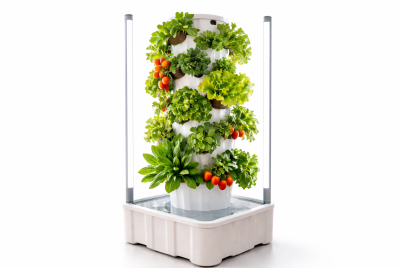
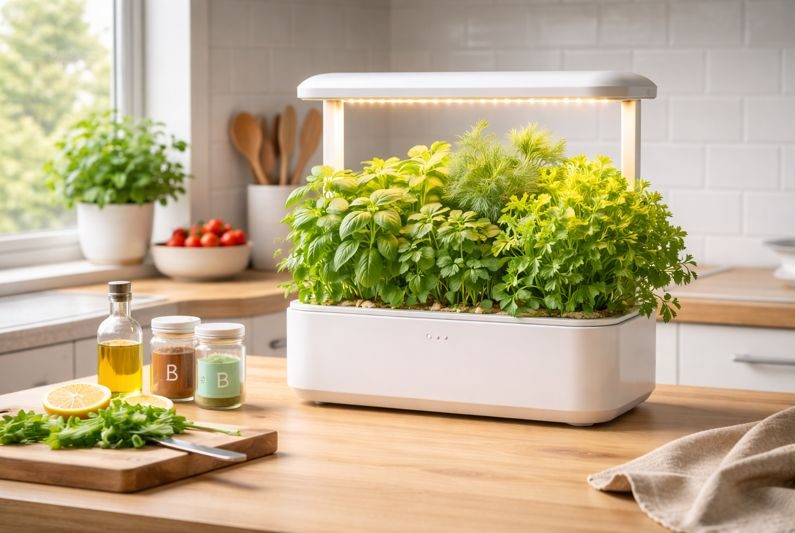
Indoor gardens thrive when the system fits your lifestyle. Tower systems, for example, grow upward instead of outward. Countertop gardens fit kitchens or small apartments. Deep Water Culture setups take more floor space but support bigger yields.
Lighting Quality
Integrated LED lights matter more than people realize. In fact, a 2021 review in Plants found that balanced LED spectrums (particularly blue and red wavelengths) significantly increase biomass and improve nutrient uptake in leafy greens.
Maintenance Requirements
If you’re willing to clean reservoirs and adjust pH weekly, a DWC or bucket system can produce impressive results. If you prefer simple, low-touch gardening, smart gardens with built-in timers are a better match.

The Best Hydroponic Systems for Indoor Gardening
After reviewing dozens of indoor growing systems, these five options stand out for performance, reliability, and ease of use.
1. LetPot LPH Max Hydroponics Growing System
The LPH Max system is built for growers who want automation without the usual learning curve. It uses a self-managed irrigation setup that monitors water flow and nutrient delivery, making daily care much easier. The design offers plenty of room for herbs, greens, and other compact plants, while its controlled irrigation keeps roots consistently hydrated.
Why growers like it:
- Smart, automated irrigation for low-maintenance growing
- Stable water flow that supports healthy root development
- Easy setup, even for beginners
Best for: Anyone who wants a hands-off system that still delivers steady, reliable growth indoors.
2. iDOO WiFi 12-Pod Indoor Garden
iDOO systems are popular because they’re incredibly easy to run. This model comes with app-controlled lighting, built-in fans for airflow, and simple alerts that tell you when to add water or nutrients.
Why growers like it:
- Full app control
- Great for kitchens, desks, and small apartments
- Adjustable LED hood for taller herbs and greens
Best for: Gardeners who want automation and convenience.
3. Nutraponics Indoor Vertical Hydroponic System
This premium tower is designed for growers who want bigger harvests. With 48 planting sites and a full LED panel, it supports larger plant batches and keeps water cycling efficiently from top to bottom.
Why growers like it:
- High planting capacity
- Strong, even lighting
- Durable build for long-term use
Best for: Year-round indoor vegetable production.
4. 36-Planter Aeroponic/Hydroponic Tower System
For growers on a budget, this tower is one of the best low-cost aeroponic options. It uses nutrient misting to deliver oxygen directly to plant roots, which often leads to quicker, healthier root development.
Why growers like it:
- Budget-friendly alternative to major tower brands
- Great for herbs and greens
- Quick, simple setup
Best for: New hydroponic gardeners testing out vertical growing.
5. VEVOR DWC Hydroponic System
The classic Deep Water Culture setup remains a favorite because it supports fast growth and strong yields. This kit includes eight buckets, air stones, and a pump that keeps oxygen levels high.
Why growers like it:
- Ideal for larger or heavy-feeding plants
- Excellent root oxygenation
- Strong value for multi-bucket setups
Best for: Gardeners who want vigorous growth and larger harvests.

Choosing the Right Growing Medium
Your medium can make or break your garden’s success. Each system performs best with a specific type, so matching them correctly ensures steady growth.
Rockwool
This is one of the most reliable starting mediums for seeds. It holds moisture extremely well and maintains stable pH levels. Many commercial growers prefer rockwool because it delivers consistent germination.
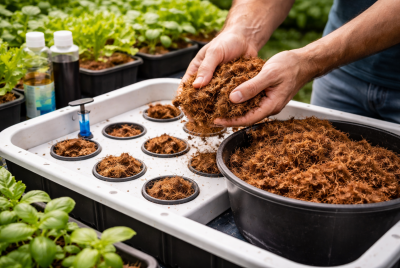
Coco Coir
Coconut fiber has become a favorite due to its sustainability and airflow. It resists compaction, drains well, and encourages strong root formation. It’s especially popular in DWC and flood-and-drain systems.
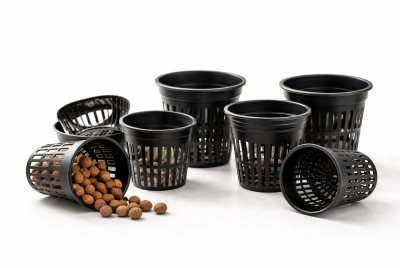
Clay Pebbles (LECA)
LECA is long-lasting and reusable, making it ideal for eco-conscious growers. It provides excellent aeration and works best in tower systems and recirculating setups.
Grow Sponges
Most countertop hydroponic gardens use sponges because they stay clean, consistent, and easy to replace. They’re perfect for herbs, small lettuce varieties, and microgreens.
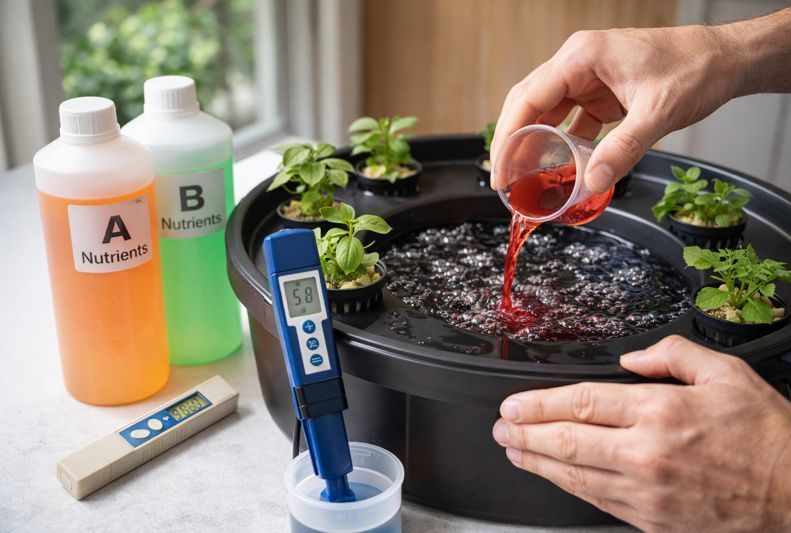
The Benefits of Hydroponic Growth Systems
Hydroponics continues to gain momentum not just because it’s convenient, but because research consistently shows measurable improvements in plant performance under soilless growing conditions. Controlled studies highlight how efficient these systems can be when light, nutrients, and oxygen are carefully balanced.
One peer-reviewed study published on PubMed Central compared hydroponically grown tomatoes and leafy greens to their soil-grown counterparts. Researchers found that hydroponic setups delivered greater water-use efficiency and, in some cases, even higher nutritional quality, including increased lycopene and β-carotene levels. These improvements point to better resource conversion and healthier plant tissue when roots receive direct access to balanced nutrients.
Another comparative study examining hydroponically grown spinach documented clear morpho-physiological advantages. Plants produced larger leaf area, stronger root development, and significantly higher chlorophyll content than soil-grown spinach. Higher chlorophyll levels typically correlate with improved photosynthetic capacity, meaning the plants were not just surviving—they were thriving.
Together, these findings confirm what many indoor gardeners already see firsthand: when you combine a well-designed hydroponic system with steady lighting and nutrient control, plant growth becomes more predictable, efficient, and remarkably productive.
Hydroponic Towers vs. Traditional Indoor Systems
Tower systems have become popular because they use vertical space efficiently, making them great for apartments or indoor patios. Water circulates from the top, delivering nutrients evenly while reducing waste.
Traditional systems—like DWC or countertop units—give you more control and support heavier or larger crops.
Final Thoughts
Choosing the best hydroponic system comes down to your available space, experience level, and the type of plants you want to grow. Towers are great for vertical gardens, countertop units keep things simple, and DWC systems offer impressive yields.
When you pair the right hydroponic system with a reliable growing medium, indoor gardening becomes enjoyable, efficient, and incredibly rewarding.
FAQs
1. What is the simplest hydro system for beginners?
Countertop gardens with built-in lights and reminders are usually the simplest to learn.
2. How regularly do I need to replace the nutrient solution?
Every 10–14 days works well for most systems.
3. Which plants grow fastest in hydroponics?
Lettuce, basil, spinach, mint, and microgreens tend to grow quickly.
4. Can I grow hydroponic plants without LED lighting?
You can if you get strong natural light, but growth is usually slower. LEDs provide more consistent results.
5. Is a tower system better than DWC?
It depends on your goals. Towers save space, while DWC is better for larger plants and higher nutrient uptake.