Top Hydroponic Crops For A Winter Food Garden
We may earn a commission for purchases made using our links. Please see our disclosure for more details.
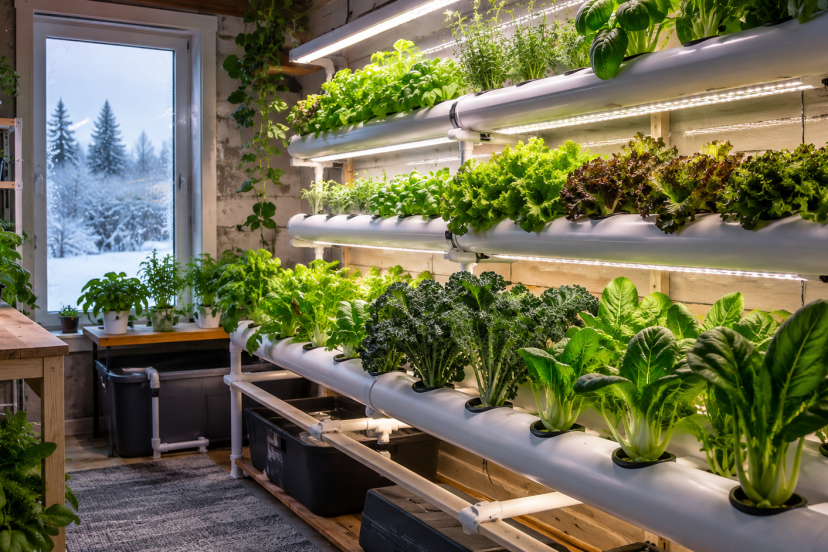
A winter food garden sounds almost too cozy to be practical, right? Snow outside, fresh lettuce inside, basil on the counter, and spinach growing while the rest of the backyard takes a long nap. That is the magic of hydroponics. Instead of waiting for spring, you can grow crisp greens, herbs, and compact vegetables indoors with water, nutrients, and the right lighting.
For gardeners who hate the “dead season,” hydroponics is a clever way to keep food growing year-round. It also works beautifully for apartment growers, small-space gardeners, and anyone who wants fewer trips to the grocery store for sad plastic boxes of wilted greens.
Why Hydroponics Works in Winter
Traditional outdoor gardening slows down in winter because plants lose access to steady warmth, sunlight, and healthy root-zone conditions. Hydroponics gives you more control over all three.
Instead of relying on soil, hydroponic plants grow with their roots in nutrient-rich water or a soilless growing medium. That setup lets you manage light, water, nutrients, airflow, and temperature more closely.
NASA has explored controlled plant-growing systems for decades because plants can help produce food, oxygen, and closed-loop life-support resources in controlled environments. That same basic idea makes indoor hydroponics useful at home, just on a much smaller and tastier scale.
The biggest winter advantage is consistency. You can keep your plants away from frost, heavy rain, pests, and weak winter sunlight. Plus, leafy greens and herbs do not need deep soil or huge root space, which makes them perfect for indoor hydroponic systems.
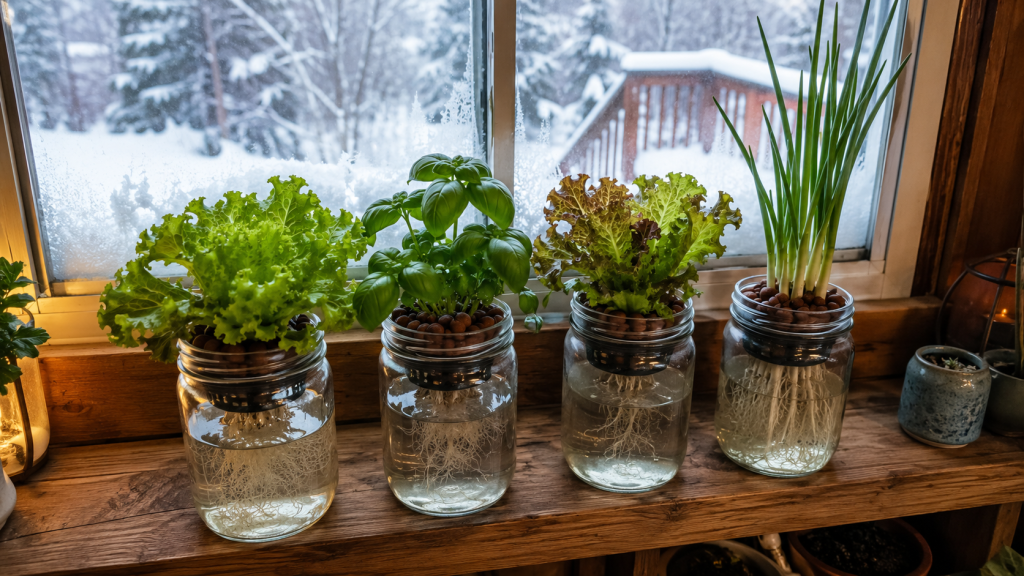
Best Hydroponic Crops for a Winter Food Garden
The best crops for a winter hydroponic setup are fast-growing, compact, and comfortable in cooler indoor conditions. Ideally, you want plants that give you quick harvests without taking over your spare room.
Lettuce
Lettuce is the classic winter hydroponic crop, and for good reason. It grows quickly, fits small systems, and gives you repeat harvests if you cut the outer leaves instead of pulling the whole plant.
Loose-leaf lettuce, butterhead, romaine, and mini cos varieties all work well. Research also shows that nutrient solution temperature can affect lettuce yield and quality, so keep your reservoir away from heaters, drafty windows, and cold floors.
Spinach
Spinach is another strong pick for a Winter Food Garden. It handles cooler indoor conditions better than many fruiting plants and gives you nutrient-rich leaves for smoothies, soups, omelets, and salads.
It can be a little fussy during germination, but once it settles in, spinach grows well in NFT systems, deep water culture, and indoor towers. Give it bright light, steady airflow, and enough spacing to prevent crowding.
Kale
Kale is sturdy, reliable, and well-suited for indoor winter growing. Dwarf kale, baby kale, and curly kale are especially useful because they stay manageable and keep producing leaves over time.
You do not need to wait for huge leaves. Baby kale often tastes sweeter and softer. Pick the outer leaves first, but keep the center untouched so the plant can continue growing.
Swiss Chard
Swiss chard adds color and texture to a winter hydroponic setup. Its bright stems make an indoor garden look more lively, and the leaves work well in salads, sautés, soups, and grain bowls.
Because chard grows larger than lettuce, give it extra room. If your system is small, harvest it as baby chard before the leaves get too big.
Bok Choy
Bok choy is one of the most satisfying hydroponic crops for winter meals. It grows quickly, stays compact, and tastes great in stir-fries, broths, and noodle bowls.
Baby bok choy is ideal for small indoor systems. Keep it under strong LED lighting, harvest it young, and replant often for a steady supply.
Arugula
Arugula grows fast and adds a peppery kick to salads, sandwiches, and wraps. It works well in shallow hydroponic systems, Kratky jars, and countertop gardens.
Harvest it young for the best flavor. If it gets too warm or stays under intense light too long, it may bolt and turn extra spicy.
Basil
Basil is not a winter crop outdoors, but indoors it can grow beautifully with enough light and warmth. It loves hydroponics because it responds well to regular pruning.
Grow Genovese basil for pesto, Thai basil for stir-fries, or compact basil for small spaces. Keep it away from cold windowsills and pinch the tops often to encourage bushy growth.
Cilantro
Cilantro prefers cooler conditions, which makes it a useful winter hydroponic herb. It can bolt quickly, so succession planting works best.
Plant new seeds every two to three weeks instead of relying on one plant for the whole season. That way, you get a steady supply for tacos, soups, curries, rice bowls, and sauces.
Parsley
Parsley grows more slowly than basil or cilantro, but it is dependable once established. Curly parsley and flat-leaf parsley both work in hydroponic systems.
Give it bright light, steady moisture, and patience. Flat-leaf parsley usually has a stronger flavor, while curly parsley adds a pretty finishing touch.
Green Onions
Green onions are one of the easiest crops for beginners. They grow upright, need very little space, and fit nicely in countertop systems or narrow grow shelves.
You can start them from seed or regrow grocery-store scallions. Snip what you need, leave the base growing, and enjoy fresh onion flavor all winter.
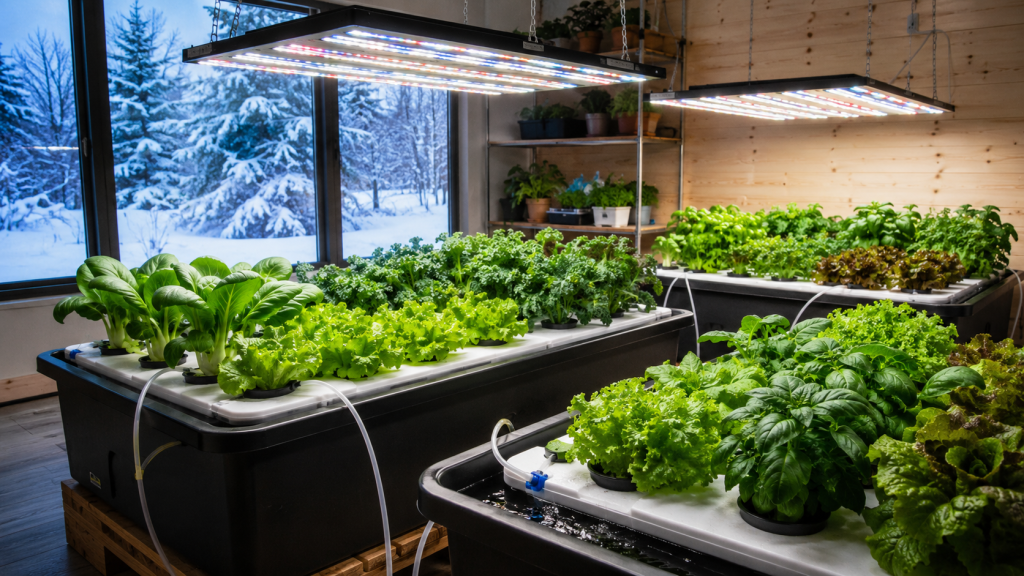
Best Hydroponic Systems for Winter Growing
You do not need a commercial greenhouse to grow fresh food indoors during winter. A small, simple setup can work beautifully when you match the system to your space, budget, and crop choices.
For most beginners, leafy greens and herbs are the smartest place to start. They grow quickly, need less room, and do not demand as much light as fruiting crops like tomatoes or peppers.
Countertop Hydroponic Gardens
Countertop hydroponic gardens are one of the easiest ways to start a Winter Food Garden. Most kits include a reservoir, pump, built-in grow light, and plant pods, so you do not have to piece everything together yourself.
They work especially well for herbs, lettuce, arugula, and small greens. If you want a low-stress setup for your kitchen counter or indoor shelf, this is a great beginner-friendly option.
Deep Water Culture
Deep water culture is another strong choice for winter growing. In this system, plant roots hang directly into oxygen-rich nutrient water, which helps them absorb what they need quickly.
It works well for lettuce, spinach, basil, and other leafy crops. If you want to understand the setup better, this beginner-friendly guide to deep water culture hydroponics explains how it works and why many growers like it.
NFT Systems
Nutrient film technique, often called NFT, is popular for leafy greens. A thin stream of nutrient water flows through shallow channels and passes along the plant roots.
This system can produce healthy, steady harvests, but it needs more attention than a basic countertop garden. You will need to monitor water flow, pH, nutrients, and pump function. For that reason, NFT works best for growers who already feel comfortable managing a hydroponic setup.
Kratky Jars
Kratky jars are the simplest option because they do not use a pump. The plant sits above a container of nutrient water, and the roots take in oxygen as the water level slowly drops.
This method works well for lettuce, basil, and small herbs. It is also a budget-friendly way to try hydroponics before buying a larger system.
Best Tools and Supplies for Your Winter Hydroponic Garden
The right gear can make winter growing much easier, especially when natural light is weak and indoor conditions change from room to room. These five products can help you build a healthier, more reliable setup.
1. iDOO 12-Pod Hydroponics Growing System
The iDOO 12-pod system is a solid starter kit for beginners. It includes a built-in grow light, water reservoir, and pod setup, making it easy to grow lettuce, herbs, arugula, and other small greens indoors.
2. Ahopegarden 12-Pod Hydroponics Growing System
The Ahopegarden 12-pod system is another beginner-friendly option for winter growing. Many models include LED lighting and basic monitoring features, which can help you keep an eye on indoor growing conditions.
3. Barrina T5 Full-Spectrum Grow Lights
Barrina T5 grow lights are useful if you want to create a grow shelf or expand beyond a countertop system. They provide full-spectrum light for seedlings, leafy greens, and herbs.
4. General Hydroponics Flora Series Nutrients
Hydroponic plants need balanced nutrients because they do not grow in soil. The General Hydroponics Flora Series gives growers a flexible three-part nutrient system for different growth stages.
5. VIVOSUN pH and TDS Meter Combo
A pH and TDS meter helps you check your nutrient solution before plant problems show up. This is important because poor pH or nutrient strength can lead to yellow leaves, slow growth, or weak roots.
Conclusion
A winter food garden is one of the most rewarding ways to keep growing when outdoor beds slow down. Start with lettuce, spinach, kale, bok choy, herbs, and green onions. As you get more comfortable, you can slowly expand your setup and try new crops. With steady light, balanced nutrients, clean water, and the right crop choices, hydroponics can turn winter from a gardening pause into a fresh-harvest season. Start small, grow what you love to eat, and let your indoor garden prove that winter does not get the final word.
FAQs
What are the best crops for a winter hydroponic garden?
Lettuce, spinach, kale, bok choy, arugula, basil, parsley, cilantro, and green onions are some of the best choices. They grow well indoors and do not need as much space as fruiting crops.
Can I grow hydroponic vegetables indoors during winter?
Yes. Indoor hydroponics works well in winter because you control light, water, nutrients, and temperature. Greens and herbs make the best starting point because they grow quickly and stay manageable.
Do hydroponic crops need sunlight in winter?
They need strong light, but it does not have to come from the sun. Full-spectrum LED grow lights can support healthy indoor growth when natural winter sunlight is too weak.
Is deep water culture good for winter growing?
Yes. Deep water culture is a great fit for lettuce and other leafy crops because their roots thrive in oxygen-rich nutrient water. Just keep the water oxygenated, monitor pH, and avoid letting the reservoir get too cold.
What is the easiest hydroponic crop for beginners?
Lettuce is usually the easiest. It grows fast, fits small systems, and gives you visible results quickly, which makes it perfect for beginners building a Winter Food Garden.