Vertical Hydroponic System: How It Works + Best Picks
We may earn a commission for purchases made using our links. Please see our disclosure for more details.
Limited space, poor soil, and unpredictable weather often make growing fresh food at home harder than it should be, especially for people living in small spaces or busy households. Over time, this can lead to wasted effort, slow plant growth, and disappointing harvests. A vertical hydroponic system solves these problems by stacking plants upward and feeding them nutrient-rich water instead of soil, allowing you to grow more food in less space with faster, cleaner, and more reliable results.
What Is a Vertical Hydroponic System?
A vertical hydroponic system is a soil-free growing setup where plants receive nutrients through water while growing upward in stacked layers or towers. Instead of planting directly into soil, roots sit in a nutrient-rich solution that delivers everything plants need to thrive.
Think of it as gardening in three dimensions.
Because the system uses gravity and controlled water flow, plants get steady hydration and nutrients without wasting resources. As a result, growth tends to be faster and more predictable than traditional gardening.
How Vertical Hydroponic Systems Save Water and Boost Plant Growth
One big reason people choose a vertical hydroponic system is efficiency. You can grow more plants while using less water and space. Even better, research shows these benefits are real—not just theory.
For instance, a study on water efficiency in vertical farming systems found that modern vertical setups can greatly reduce water use while still supporting healthy plant growth. Because the system recycles water, plants get what they need without waste.
Another large review of sustainable hydroponic crop production methods reported that hydroponic systems can use up to 90% less water than traditional soil gardening. The researchers also found that plants often grow faster in controlled environments.
In simple terms, this means vertical hydroponics helps you:
- Grow more food in less space
- Use less water
- Get faster harvests
- Maintain steady plant growth
That’s why many hydroponics enthusiasts—and even commercial farms—are turning to vertical systems. They make growing food easier, cleaner, and more predictable.
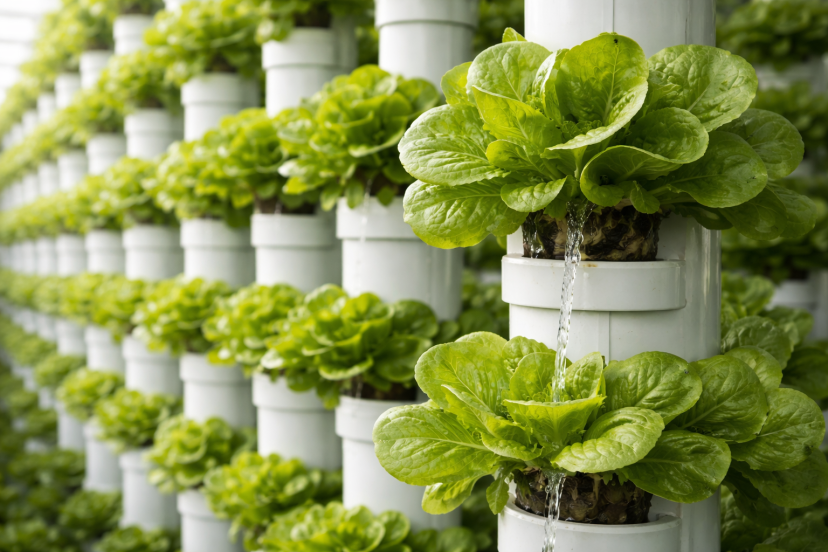
How a Vertical Hydroponic System Works (Step-by-Step)
Understanding the process makes the system feel much less intimidating. In reality, the mechanics are surprisingly simple.
Here’s how it works:
- A reservoir holds water mixed with nutrients
- A pump pushes the solution upward
- Water flows through plant roots
- Excess liquid drains back into the reservoir
- The cycle repeats automatically
Because the system recirculates water, it stays efficient and consistent. Plants receive steady nourishment without flooding or drying out.
Types of Vertical Hydroponic Systems
Not every setup looks the same. In fact, several designs exist, each suited to different spaces and budgets.
Tower Systems
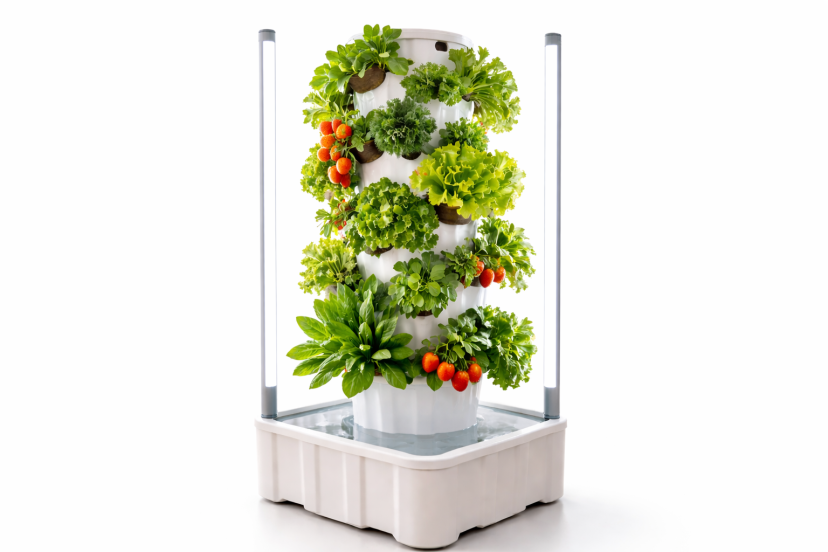
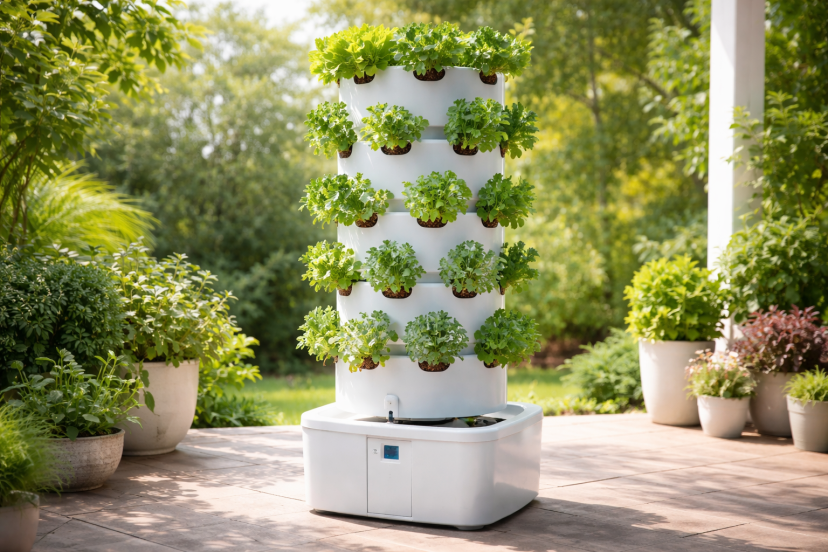
Tower systems are the most common option. Plants grow in pockets arranged around a vertical column. Water flows from the top down through each level.
These systems work especially well for:
- Lettuce
- Strawberries
- Herbs
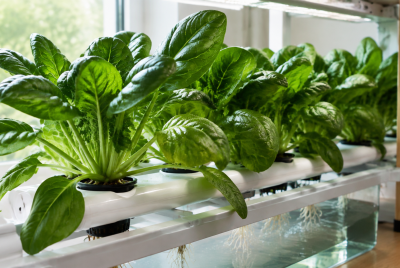
- Spinach
They also tend to be beginner-friendly.
Wall-Mounted Systems
Wall-mounted systems attach directly to walls or fences. Instead of stacking upward in a tower, they spread across a vertical surface.
This design works well in:
- Kitchens
- Balconies
- Indoor growing rooms
It also creates a visually appealing green wall.
Stacked Container Systems
Stacked container systems use trays or buckets arranged vertically. While slightly more DIY-friendly, they can still deliver excellent results.
Many growers build these systems using simple materials like:
- Plastic buckets
- PVC pipes
- Storage containers
As a result, this option often costs less than pre-built systems.
Key Components of a Vertical Hydroponic System
Every vertical hydroponic setup relies on the same core parts. Once you understand these components, troubleshooting becomes much easier.
Essential components include:
- Reservoir — holds nutrient solution
- Water pump — moves liquid upward
- Growing medium — supports plant roots
- Net pots — hold plants in place
- Lighting — supports indoor growth
- Timer — controls watering cycles
Among these, the growing medium plays a critical role. It anchors roots and ensures proper airflow. If you want a deeper breakdown of materials and options, this guide to choosing the right hydroponics growing medium explains how different mediums affect plant health and growth.
Best Plants to Grow in a Vertical Hydroponic System
Some plants adapt better to vertical growing than others. Fortunately, many popular crops thrive in this environment.
Top performers include:
- Lettuce
- Kale
- Basil
- Mint
- Strawberries
- Cherry tomatoes
- Peppers
Leafy greens grow particularly well because they have shallow root systems. Consequently, they require less structural support and mature quickly.
Vertical Hydroponic System vs Traditional Gardening
Many gardeners wonder whether switching to hydroponics makes sense. The answer often depends on space, time, and goals.
Here’s a simple comparison.
Vertical Hydroponic System:
- Uses up to 90% less water
- Requires less space
- Produces faster growth
- Reduces weeds and pests
Traditional Gardening:
- Needs more land
- Depends on soil quality
- Requires seasonal timing
- Uses more water
For people living in cities or small homes, vertical hydroponics usually offers a clear advantage.
Choosing the Right Hydroponics Growing Medium
The growing medium acts as the foundation of your system. It holds roots in place while allowing water and oxygen to flow freely.
Common options include:
- Coco coir
- Rockwool
- Clay pellets
- Perlite
- Vermiculite
Each material offers unique benefits. For example, clay pellets provide excellent drainage, while coco coir retains moisture well.
Choosing the right medium depends on:
- Plant type
- System design
- Watering frequency
- Budget
Most beginners start with clay pellets because they are reusable and easy to manage.
5 Best Vertical Hydroponic System Picks
Choosing the right vertical hydroponic system can make a big difference in plant growth, maintenance, and overall results. Below are five reliable options that offer strong performance, space efficiency, and beginner-friendly features. Each system works well for growing herbs, leafy greens, and vegetables at home.
1. VEVOR Vertical Hydroponic Growing System
The VEVOR Vertical Hydroponic Circulation System is a practical choice for growers who want a high-capacity setup without complicated installation. It uses a circulating water design that keeps nutrients flowing consistently, which helps plants grow faster and healthier.
Key benefits:
- Large planting capacity
- Efficient water circulation system
- Durable food-grade PVC construction
- Suitable for indoor and outdoor use
Best for: Home gardeners who want a dependable, mid-sized vertical system.
2. AOONEG Hydroponics Growing System with Adjustable Light
The AOONEG Hydroponics Growing System combines vertical growing with built-in LED lighting, making it ideal for indoor environments. The adjustable light supports plant growth during every stage, especially when natural sunlight is limited.
Key benefits:
- Integrated LED grow light
- Compact indoor design
- Quiet water pump
- Easy setup for beginners
Best for: Indoor gardeners growing herbs and greens year-round.
3. JPWDDWYT Vertical Hydroponic Tower Garden (35 Plants)
If you want to grow more plants in a small footprint, the JPWDDWYT Vertical Hydroponic Tower Garden is a strong option. It can support up to 35 plants at once, making it perfect for households that want steady harvests without using much space.
Key benefits:
- Holds up to 35 plants
- Space-saving vertical design
- Continuous nutrient flow system
- Great for leafy greens and vegetables
Best for: Families or hobby growers who want higher production in limited space.
4. VIVOSUN Hydroponic Grow Kit
The VIVOSUN Hydroponic Growing System is known for reliability and consistent performance. It features a simple design that’s easy to maintain, which makes it popular among beginners and experienced growers alike.
Key benefits:
- Stable water circulation
- Low-maintenance system
- Strong and durable structure
- Suitable for multiple plant types
Best for: Beginners who want a straightforward, dependable system.
5. Vertical Aeroponic Hydroponic Tower Garden System
This Vertical Aeroponic Hydroponic Tower System focuses on efficient water and nutrient delivery using an aeroponic-style design. Because roots receive more oxygen, plants often grow faster and produce higher yields.
Key benefits:
- Aeroponic nutrient delivery
- Fast plant growth
- Space-saving design
- Ideal for small homes or apartments
Best for: Growers who want faster growth and efficient space use.
Common Mistakes to Avoid with Vertical Hydroponic Systems
Even experienced growers make mistakes. Fortunately, most issues are easy to fix once identified. Here are the most common problems:
Overwatering – Too much water can suffocate roots.
Poor lighting – Plants need consistent light to grow properly.
Incorrect nutrient balance – Too little or too much fertilizer can slow growth.
Weak water circulation – Without proper flow, roots may dry out.
Ignoring maintenance – Regular cleaning prevents algae buildup.
Avoiding these mistakes keeps your system running smoothly.
Is a Vertical Hydroponic System Worth It?
For most growers, the benefits make it a worthwhile choice.
Vertical systems offer:
- Higher productivity
- Cleaner gardening
- Faster harvest cycles
- Reduced water usage
- Flexible placement options
They also make gardening accessible to people with limited space. Even a small corner can produce fresh vegetables year-round.
Most importantly, the learning curve is manageable. Once the system runs, maintenance becomes simple.
Conclusion
A vertical hydroponic system transforms how people grow food. Instead of relying on large gardens or unpredictable soil conditions, you can produce fresh crops in a compact, controlled environment. Whether you’re growing herbs in a kitchen or managing a full indoor garden, vertical hydroponics delivers efficiency, convenience, and consistent results. If you’re ready to grow smarter, not harder, this system is one of the best investments you can make in modern gardening.
FAQs
1. How much space does a vertical hydroponic system need?
Most systems fit into small areas like balconies, kitchens, or indoor corners. Some require less than two square feet.
2. How many plants can a vertical hydroponic system grow at once?
Most vertical hydroponic systems can grow 6 to 40 plants, depending on the size and design. Larger tower systems can support even more plants while still using minimal space.
3. Can beginners use a vertical hydroponic system?
Yes. Many systems are designed specifically for beginners and include simple setup instructions.
4. How often should nutrients be replaced?
Most growers replace nutrient solutions every two to three weeks to maintain plant health.
5. What plants grow fastest in vertical hydroponic systems?
Leafy greens such as lettuce, spinach, and basil typically grow the fastest because they require less root space and mature quickly.