Best Hydroponic Pots for Easy Indoor Gardening
We may earn a commission for purchases made using our links. Please see our disclosure for more details.
Indoor hydroponic gardening is one of the easiest ways to grow fresh herbs, leafy greens, and vegetables at home. However, the success of any system depends heavily on the containers holding your plants. The right hydroponic pots support root oxygenation, stabilize plants, and allow nutrient-rich water to circulate efficiently. In this guide, you’ll discover how hydroponic pots work, what features matter most, and the best options for building a simple, productive indoor hydroponic garden.
How Hydroponic Pots Support Healthy Root Growth
Healthy roots are the backbone of any successful hydroponic system. Because hydroponics replaces soil with nutrient-rich water, the container holding the plant must allow roots to access both nutrients and oxygen. That’s exactly where well-designed net pots come in.
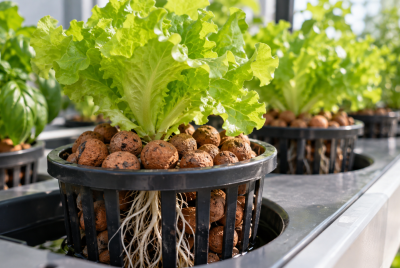
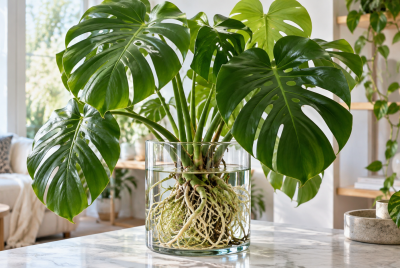
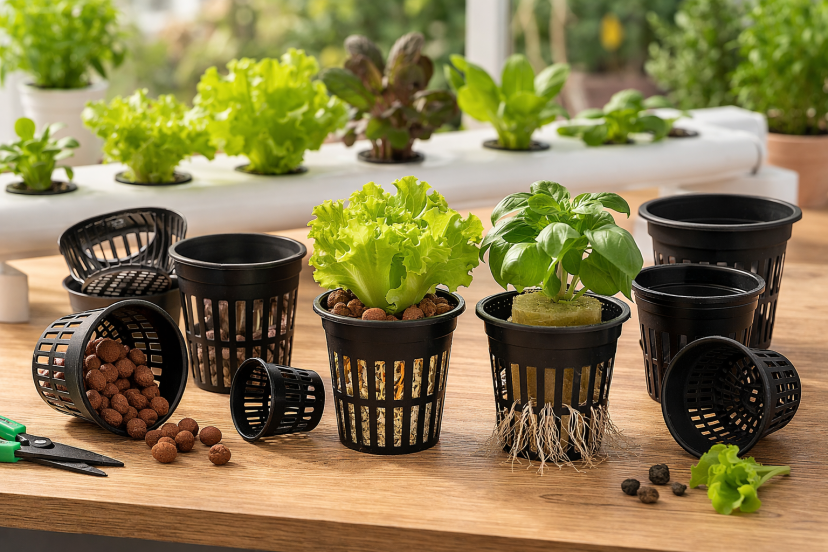
Most hydroponics pots—especially net pots—feature slotted sides and open bottoms. These openings let roots grow through the container and reach the nutrient solution while still receiving oxygen from the surrounding air. As a result, the root zone stays well-aerated, which helps plants absorb nutrients more efficiently.
Scientific research supports the importance of oxygen around plant roots. For example, research on dissolved oxygen effects in hydroponic plant growth shows that oxygen levels in the nutrient solution strongly influence root development and overall plant performance.
Another study on dissolved oxygen and root formation in hydroponic systems found that when oxygen levels drop, root formation slows down and plant growth suffers.
Hydroponic pots help prevent this problem by allowing water and air to circulate freely around the roots. The open design keeps roots moist without suffocating them, creating the ideal environment for strong root development.
In simple terms, hydroponic pots act as the bridge between your plant and its nutrient solution. When roots get the oxygen and nutrients they need, plants grow stronger, faster, and more consistently indoors.
Key Features to Look for in Hydroponic Pots
Before buying hydroponic pots, it helps to understand the features that actually matter.
Root Aeration
Plants need oxygen just as much as they need water. Net-style pots allow roots to breathe while still staying hydrated.
Durable Materials
Hydroponic systems run constantly in moist environments. Strong plastic materials resist cracking, mold, and UV damage.
Proper Size
Smaller pots work well for herbs and lettuce. Larger pots support tomatoes, peppers, and cucumbers.
Compatibility with Grow Systems
Hydroponic pots should fit common systems such as:
- Deep Water Culture (DWC)
- Nutrient Film Technique (NFT)
- Ebb and Flow systems
Lighting also plays a role in plant health. Pairing proper containers with efficient lighting can dramatically improve growth. If you want to optimize your setup further, this guide on hydroponic LED grow lights explains how lighting affects plant productivity in indoor hydroponic systems.
Types of Hydroponic Pots Used in Indoor Systems
Hydroponic gardening uses several types of containers depending on the system design.
Net Pots
Net pots are one of the most widely used containers in hydroponic systems. They feature slotted sides that allow roots to grow through and access nutrient solutions easily.
Bucket Pots
These pots sit inside larger containers or buckets. Many growers use them in deep water culture (DWC) setups.
Seedling Pots
Smaller hydroponic pots support young plants during early growth stages.
Each type plays a role in different hydroponic setups, and experienced growers often combine multiple styles in a single system.
5 Best Hydroponic Pots for Indoor Gardening
Below are some reliable net pots that many indoor growers use. These options offer durability, proper aeration, and compatibility with common hydroponic systems.
1. ORIMERC Hydroponic Net Pots
These net pots are a practical option for indoor gardeners building simple hydroponic setups. The slotted mesh design helps roots access water and oxygen while keeping growing media securely in place.
Key features include:
- Durable plastic construction designed for repeated use
- Wide lip that helps the pot sit securely in grow lids or buckets
- Slotted mesh sides that promote airflow and drainage
These pots work well in deep water culture (DWC), Kratky systems, and small hydroponic grow setups.
2. CZ Garden Supply Hydroponic Net Pots
If you’re building a small indoor hydroponic garden, these net pots offer a practical option.
Highlights include:
- UV-resistant plastic
- Reinforced rims
- Consistent slot spacing
They fit easily into most hydroponic lids and grow trays.
Because they resist cracking, they also last much longer than cheaper alternatives.
3. Hydrofarm Heavy Duty Net Cups
Hydrofarm products are widely used in professional hydroponic setups.
These pots offer:
- Thick, commercial-grade plastic
- Stable plant support
- Excellent drainage and airflow
They are ideal for growers who want long-lasting components for larger systems.
4. AC Infinity Mesh Net Pots
These hydroponic pots combine durability with precision design.
They provide:
- Uniform mesh spacing
- Smooth edges to protect roots
- Strong reinforced rims
Because of their consistent design, they perform especially well in nutrient film technique systems.
5. Heavy Duty Plastic Mesh Net Cups
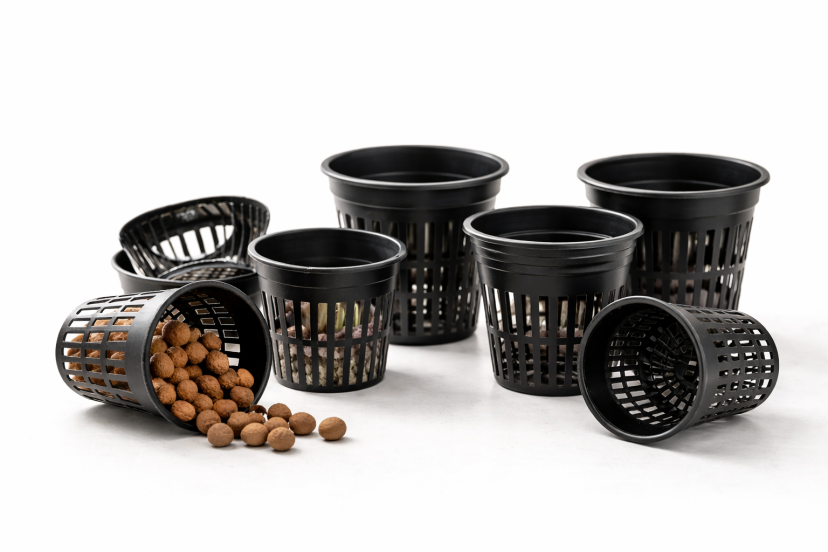
These 2-inch hydroponic net pots are designed to support healthy root development while keeping plants stable in hydroponic systems. The slotted mesh design allows roots to expand freely while maintaining good airflow around the root zone.
Key advantages include:
- Heavy-duty plastic construction for durability
- Slotted mesh sides that promote airflow and drainage
- Compatible with grow buckets, trays, and aquaponic systems
The open mesh structure allows roots to extend through the sides and reach the nutrient solution easily.
Tips for Using Hydroponic Pots Successfully
Even the best hydroponic pots need proper setup to work effectively.
Here are some practical tips many growers follow.
Use the Right Growing Medium
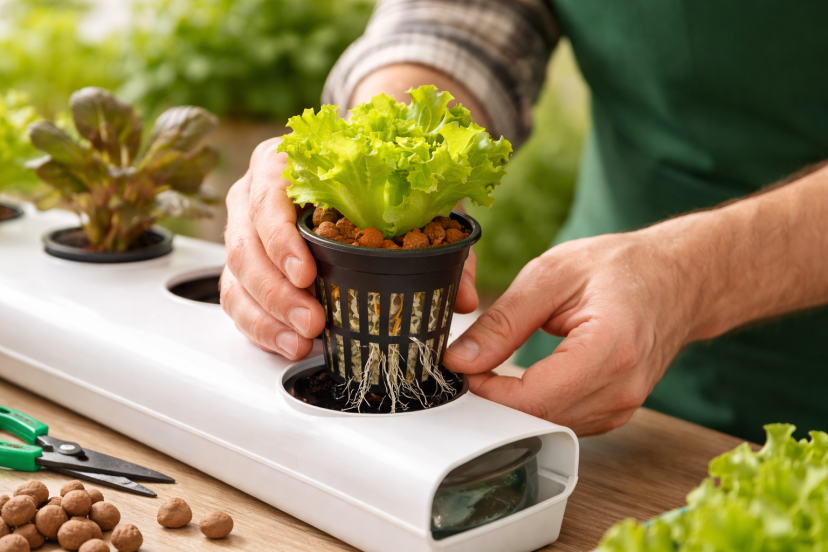
Hydroponic pots usually hold materials such as:
- Clay pebbles
- Rockwool
- Coco coir
These materials stabilize plants while allowing water circulation.
Avoid Root Crowding
Roots need room to expand. Choose pots large enough for the plant you plan to grow.
Maintain Clean Systems
Algae and bacteria can form in poorly maintained systems. Clean containers regularly to prevent contamination.
Monitor Nutrient Levels
Hydroponic plants rely entirely on nutrient solutions. Maintaining balanced nutrient levels helps plants grow efficiently.
Common Mistakes Beginners Make
Many new growers struggle with hydroponic containers because they overlook simple details.
Some common mistakes include:
Using pots that are too small – Small containers restrict root growth.
Poor drainage design – Without proper slots, roots can suffocate.
Ignoring plant size – Large plants need larger hydroponic pots to remain stable.
However, once you understand these basics, hydroponic gardening becomes much easier to manage.
Key Benefits of Hydroponic Pots for Home Growers
For home gardeners, net pots make indoor growing simpler and more efficient. They are designed to support root health while allowing nutrients and oxygen to reach the plant easily.
Here are some key benefits:
- Better root aeration – Slotted or mesh designs allow oxygen to reach the roots, helping plants absorb nutrients more efficiently.
- Improved nutrient circulation – Roots stay close to the nutrient solution, ensuring consistent feeding.
- Strong plant support – Growing media like clay pebbles or rockwool keep plants stable even without soil.
- Cleaner indoor gardening – No soil means less mess and fewer pest problems.
- Reusable and durable – Most net pots last through many growing cycles with proper cleaning.
For home growers, these simple advantages make hydroponic pots a practical choice for maintaining healthy plants and productive indoor gardens.
Conclusion
The right hydroponic pots help plants grow stronger by supporting healthy roots, proper airflow, and efficient nutrient absorption. When paired with good lighting and balanced nutrients, they create an ideal environment for indoor hydroponic gardening. Choosing reliable pots is a simple step that can lead to healthier plants and better harvests.
FAQs
What are hydroponic pots used for?
Net pots hold plants in place while allowing their roots to access nutrient-rich water solutions. They replace traditional soil containers in hydroponic systems.
What size hydroponic pot should I use?
Small plants like lettuce and herbs grow well in 2–3 inch pots. Larger plants such as tomatoes or peppers often require 5–6 inch pots.
Can I reuse hydroponic pots?
Yes. Most net pots are reusable. However, you should clean and sanitize them between growing cycles to prevent bacteria or algae buildup.
What growing medium works best with hydroponic pots?
Popular options include clay pebbles, rockwool cubes, and coco coir. These materials stabilize plants while allowing proper water flow.
Do hydroponic pots affect plant growth?
Yes. Properly designed net pots improve root aeration and nutrient absorption, which can lead to faster growth and healthier plants.