Build a DIY Hydroponic Tower — Easy Step-by-Step
We may earn a commission for purchases made using our links. Please see our disclosure for more details.
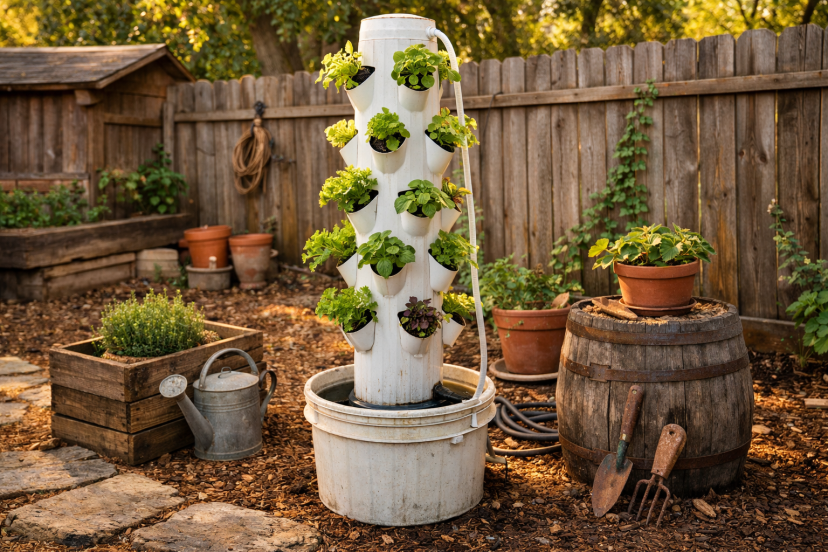
Building a DIY hydroponic tower is one of the easiest ways to grow more food in less space. This vertical system delivers nutrients directly to the roots, reduces water waste, and helps plants grow faster than traditional soil methods. Whether you’re working with a small balcony or expanding an indoor setup, a tower gives you a high-yield, low-maintenance way to garden year-round. In this guide, you’ll learn exactly how to build one, what you need, and how to keep it running smoothly.
Why Growing Upward Makes Everything Easier
When you switch to vertical growing, everything instantly feels simpler. A hydroponic tower uses barely any floor space, yet it lets you grow more without the clutter of pots or trays. Water moves efficiently from the top down, which means plants get steady access to nutrients and oxygen. This lines up with what the hydroponics technology review found when it showed how controlled nutrient flow helps plants absorb what they need more effectively. With roots always supported, you end up doing far less work. No weeding, no bending, no messy soil.
Vertical growing also tends to boost production, especially with leafy greens. A study on hydroponic vegetable yields reported that hydroponic setups often outperform soil because the growing conditions are more consistent from top to bottom. That’s exactly what you see in a tower system. Whether you’re in a small apartment or a tight backyard corner, growing upward gives you room to breathe while your plants thrive. It’s an easy upgrade that makes daily care feel effortless.
What You Need Before You Start
Before grabbing tools, it helps to gather the main components. Here’s what a basic setup includes:
- 4–6” PVC pipe (your tower body)
- Hole saw for cutting planting sites
- Submersible pump
- 5–10 gallon reservoir
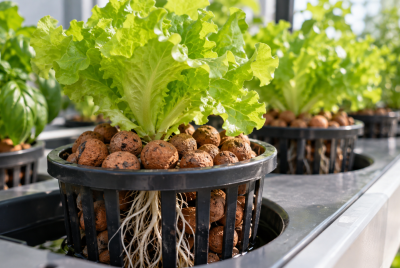
- Net pots
- Growing media such as hydroton or coco coir
- Tubing to bring water to the top of the tower
- LED grow lights for growing indoors
For nutrient mixing, you may want a simple homemade solution. If you’re unsure where to start, this guide on creating a DIY hydroponic nutrient solution offers straightforward instructions.
Step-by-Step: How to Build Your DIY Hydroponic Tower
Step 1 — Prepare the Tower Body
Cut your PVC pipe to the height you prefer — most beginners start with 4 or 5 feet. This height allows for multiple planting sites without becoming difficult to stabilize. Sand the edges and wipe away dust so your tower feels smooth and clean.
Step 2 — Create Planting Sites
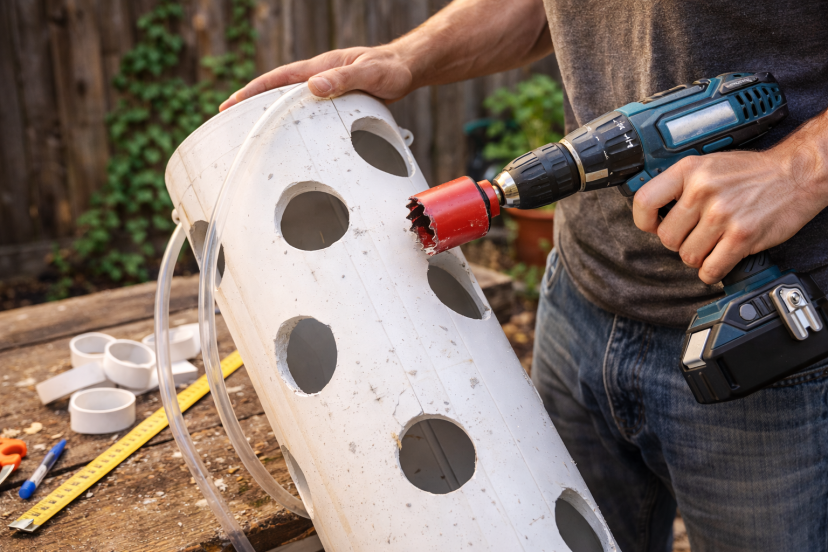
Using a hole saw, make evenly spaced holes along the pipe. Aim for a staggered pattern that gives each plant breathing room. After cutting, warm the edges with a heat gun and gently flare them outward. This helps net pots sit securely without slipping into the column.
Step 3 — Install the Pump and Reservoir
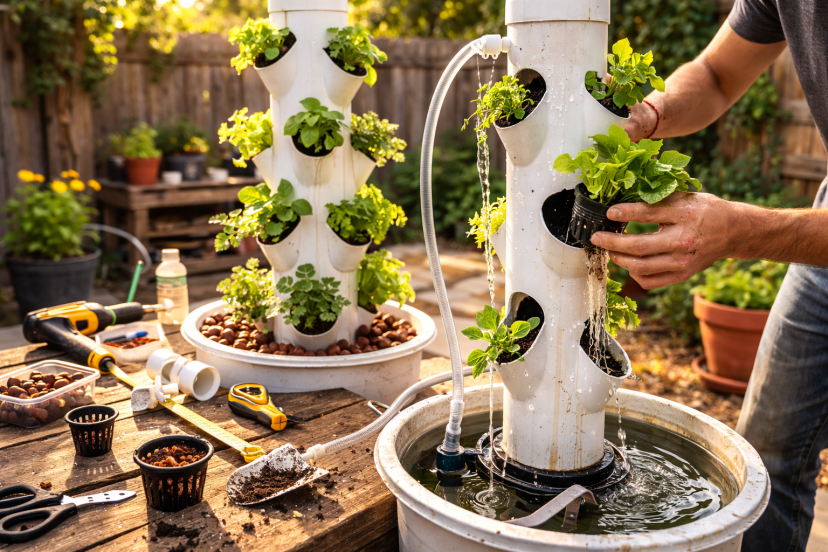
Place your pump inside the reservoir at the base of the tower. Attach tubing and run it up the middle of the pipe. At the top, position the tube so water trickles down inside the tower. This creates a continuous flow system, also called a nutrient film or cascading setup.
Step 4 — Assemble and Test the System
Before adding plants, test the circulation. Fill your reservoir with clean water and run the pump for 10–15 minutes. Check for leaks, weak flow, or blockages. A strong and even flow ensures roots get oxygen and nutrients without drowning.
Step 5 — Add Nutrients and Start Growing
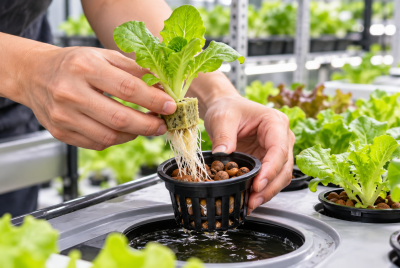
Once the water movement feels consistent, add your nutrient blend. Stir well so the solution distributes evenly. Next, place seedlings into net pots, add growing media, and insert them into the planting holes. Within a week or two, you’ll notice rapid root growth as the plants adapt to their new home.
Best Plants to Grow in Your Hydroponic Tower
Some plants thrive especially well in vertical hydroponic systems because they stay compact, grow quickly, and make the most of consistent nutrient flow. Here are reliable choices:
- Lettuce (romaine, butterhead, crisp varieties)
- Kale and Swiss chard
- Basil, mint, dill, oregano, thyme
- Strawberries
- Bok choy
- Mustard greens
- Spinach
These plants adapt easily to tower setups and produce steady harvests without putting stress on the structure. Their shallow root systems also make them perfect for vertical channels where water moves continuously.
Avoid heavy or deep-rooted crops like tomatoes unless your tower is specifically reinforced. They can grow successfully, but they’ll need extra support and more frequent monitoring to keep the system balanced.
Common Mistakes and How to Avoid Them
Building a tower isn’t overly complicated, but a few missteps can slow your progress:
Omitting pre-testing: Running the tower before planting saves you from losing seedlings to poor water circulation.
Overloading with heavy plants: Stick to lightweight crops unless your column is reinforced.
Ignoring nutrient levels: Tower systems respond quickly to changes in pH and nutrient concentration. Check regularly.
Using weak lighting indoors: If you can’t match sunlight intensity, plants stretch and weaken. Invest in full-spectrum LEDs.
Final Thoughts
Once your DIY hydroponic tower is set up, it becomes one of the most efficient growing systems you’ll ever use. It produces consistent harvests with minimal effort, saves space, and teaches you how to cultivate food in a more sustainable and controlled environment. Whether you’re an apartment grower or a backyard hobbyist, the tower approach opens the door to year-round gardening with remarkable results.
FAQs
1. How tall should a DIY hydroponic tower be?
Many DIY hydroponic towers fall within the 4- to 6-foot height range, which keeps them easy to manage while still offering plenty of growing space. Taller towers work too but need a stronger base and pump.
2. How frequently should I refresh the nutrient solution in my system?
Typically every 10 to 14 days. However, monitor pH and water clarity for best results.
3. Can I grow fruiting plants in a hydroponic tower?
Yes, but choose compact varieties. Leafy greens and herbs are much easier for beginners.
4. Do towers work indoors?
Absolutely. Just pair them with strong grow lights and proper ventilation.
5. How much time does it take to build a diy hydroponic tower?
Most beginners complete the tower in 2–4 hours, depending on tools and customization.