Hydroponic Clay Balls: A Sustainable Growing Medium
We may earn a commission for purchases made using our links. Please see our disclosure for more details.
Hydroponic clay balls are a popular growing medium for one simple reason: they work. These lightweight, porous clay pebbles support strong root development, improve oxygen flow, and help maintain stable moisture levels in hydroponic systems. Because they’re reusable and chemically inert, they’re often chosen by growers who want better control, cleaner setups, and long-term reliability. In this article, you’ll learn how they work, what benefits they offer, and whether they’re the right choice for your growing system.
What Are Hydroponic Clay Balls?
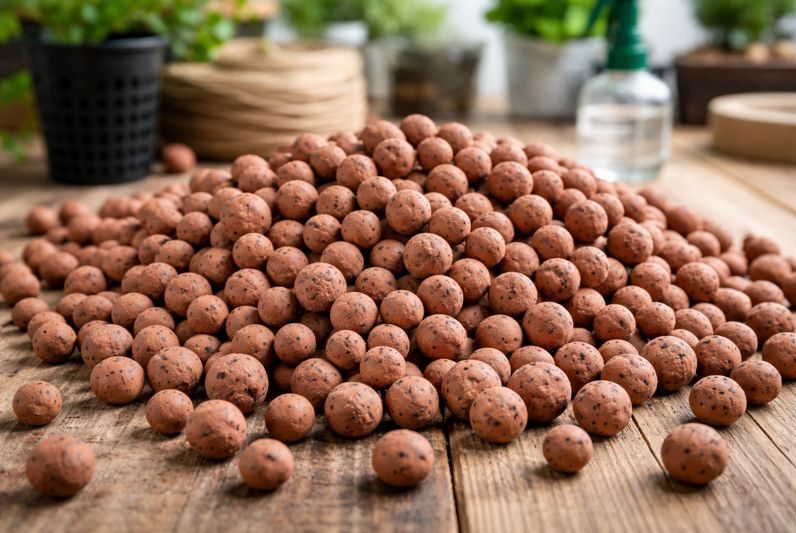
Hydroponic clay balls—often called expanded clay pebbles or LECA—are lightweight, round pellets created by firing natural clay at very high temperatures until it expands. When fired at high heat, the clay puffs up, creating a light material full of tiny air pockets.
Those air pockets matter. They allow roots to breathe while still holding enough moisture to keep plants hydrated. As a result, clay balls strike a rare balance between drainage and water retention.
They’re chemically neutral, inert, and don’t break down easily. That alone makes them a favorite for growers who want a clean, reusable medium.
Why Hydroponic Clay Balls Are Considered Sustainable
Sustainability isn’t just about what something is made from—it’s also about how long it lasts and how much waste it creates.
Hydroponic clay balls check several important boxes:
- Made from natural clay
- Reusable for multiple growing cycles
- Do not decompose or compact
- Reduce the need for disposable substrates
Unlike rockwool or peat-based media, clay balls can be washed, sterilized, and reused repeatedly. Over time, that reduces landfill waste and lowers long-term growing costs.
For growers comparing systems like aquaponics and hydroponics, the medium choice often matters as much as the method itself. If you’re weighing those systems, this comparison of aquaponics vs hydroponic growing explains how different media perform in each setup.
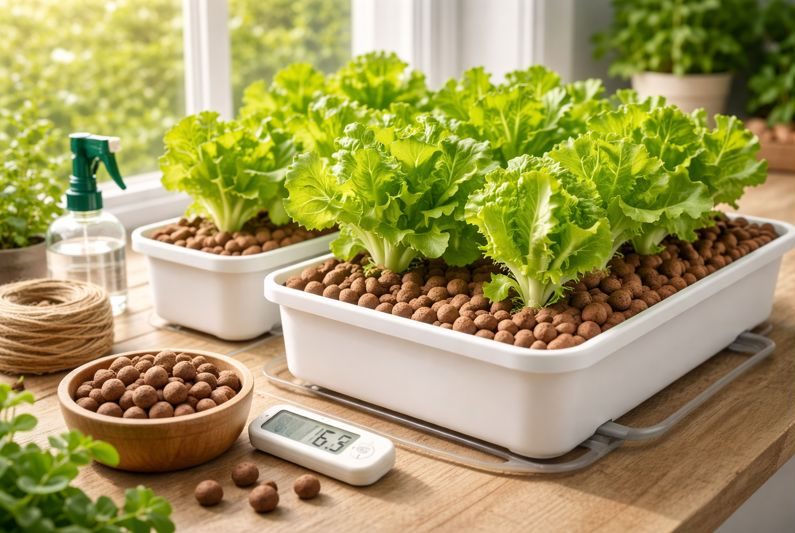
How Hydroponic Clay Balls Work in Hydroponic Systems
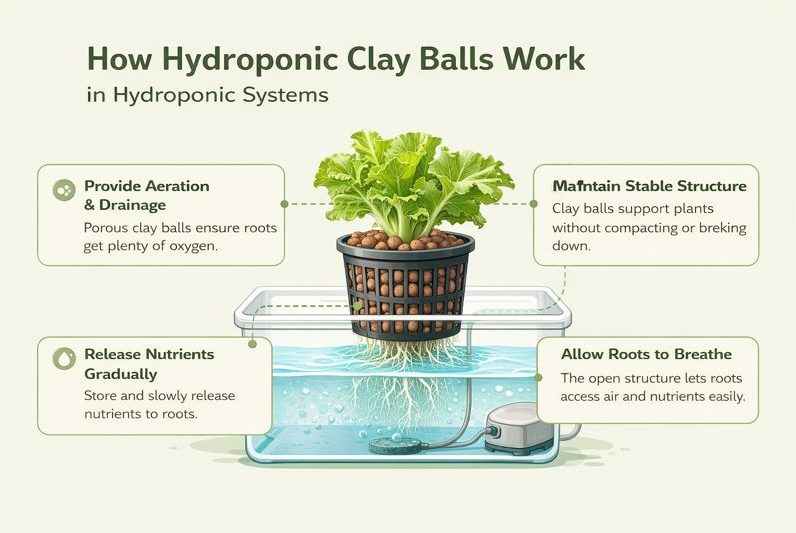
Hydroponic clay balls don’t feed plants directly. Instead, they act as a structural support system.
Here’s what they do well:
- Hold plants upright
- Allow nutrient solution to flow freely
- Maintain consistent oxygen exposure
- Prevent root rot caused by oversaturation
Because they drain quickly, clay balls work especially well in systems like:
- Flood and drain (ebb and flow)
- Drip irrigation
- Deep water culture (as top support)
- Dutch bucket systems
Roots grow around and between the pebbles, accessing oxygen and nutrients efficiently. As a result, plants often develop stronger, healthier root systems.
Hydroponic Clay Balls vs Other Growing Media
| Growing Medium | Key Characteristics | How It Compares to Hydroponic Clay Balls |
| Hydroponic Clay Balls | Reusable, stable, excellent aeration and drainage | Long-lasting structure, low waste, consistent performance |
| Rockwool | Good water retention, widely used | Effective but usually single-use and irritating to handle |
| Coco Coir | Holds moisture well, organic | Can compact over time and affect airflow |
| Perlite | Lightweight, improves drainage | Messy and unstable; may float or shift in systems |
Benefits of Using Hydroponic Clay Balls
If you want a growing medium that’s simple, reliable, and hard to mess up, hydroponic clay balls are a solid pick. They’re light, clean, and they do something your plants really care about: they help roots breathe.
Because the pebbles are porous and don’t pack down, they create lots of air gaps around the root zone. That extra oxygen can help reduce root rot and keep plants growing stronger—especially in systems where the roots stay wet a lot of the time. This breakdown of the pros and cons of Hydroton clay pebbles in hydroponics explains why growers love them for aeration and root health.
Another big win is drainage. Clay balls let water and nutrient solution flow through easily, so you don’t end up with soggy, suffocating roots. That “airy but still moist” balance is exactly why many people use them in flood-and-drain and drip setups.
And here’s the part that makes them feel more “sustainable” than a lot of other media: you can reuse them. Rinse them, sanitize them, and they’re ready for the next round. If you’re trying to build a low-waste setup, this guide on whether LECA balls are the best hydroponic grow media gives a good real-world look at reusability and practical performance.
Also, since clay balls are inert and pH-neutral (once rinsed), they won’t mess with your nutrient mix. So you get more control—and fewer weird surprises.
Best Plants to Grow with Hydroponic Clay Balls
Hydroponic clay pebbles work best with plants that benefit from strong root aeration.
Popular choices include:
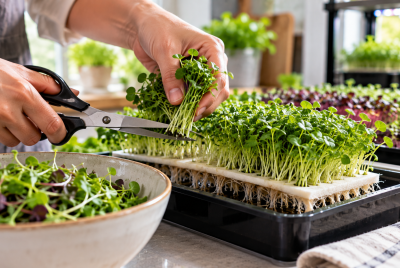
- Lettuce and leafy greens
- Herbs like basil and mint
- Tomatoes and peppers
- Strawberries
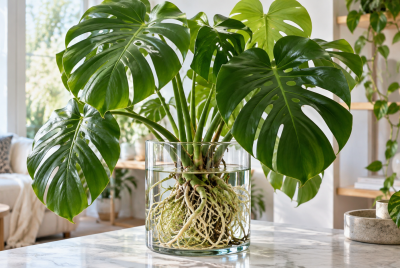
- Houseplants in semi-hydro setups
For fruiting plants, clay balls help prevent root stress during heavy nutrient uptake phases.
The Best Hydroponic Clay Balls
Here’s a curated list of well-reviewed options commonly available on Amazon:
- Hydroton Original Expanded Clay Pebbles – Trusted consistency and size uniformity
- Grow!t LECA Hydroton Clay Pebbles – Clean, lightweight, and beginner-friendly
- Halatool Hydroton Clay Pebbles – Durable and pH-stable
- Viagrow VGHYDROTON Clay Pebbles – Budget-friendly bulk option
- Leca Expanded Clay Pebbles – Washed and pre-buffered for convenience
When choosing, focus on pebble size consistency and low dust content.
How to Prepare Hydroponic Clay Balls for Use
Preparation matters more than many people realize.
Before placing clay balls into your system:
- Rinse thoroughly to remove clay dust
- Soak in pH-balanced water for 12–24 hours
- Drain well before planting
Skipping this step can clog pumps or alter nutrient balance. Once prepped properly, though, clay balls perform reliably.
Conclusion
Hydroponic clay balls offer a dependable balance of aeration, drainage, and long-term usability. Their stable structure supports healthy root systems, while their reusability makes them a more sustainable choice than many single-use growing media. While they may require a bit of preparation upfront, their consistency and low maintenance make them a smart option for growers who want reliable results and better control over their hydroponic systems.
FAQs
1. Can hydroponic clay balls be reused?
Yes. When rinsed and sanitized correctly, these clay pebbles can be reused across multiple growing cycles without losing their structure or effectiveness.
2. Do they affect pH?
No. Quality clay balls are pH-neutral once rinsed and soaked.
3. Are hydroponic clay balls good for beginners?
Absolutely. They reduce overwatering risks and simplify maintenance.
4. Can hydroponic clay balls be used alongside other growing media?
Yes. Many growers combine them with coco coir or starter plugs.
5. How long do they last?
With proper care and regular cleaning, clay balls can remain usable for many years.